A clear customization brief protects both the buyer and the project timeline. It starts by identifying the actual standard configuration, then separates the changes from the starting product.
Confirm the standard model first
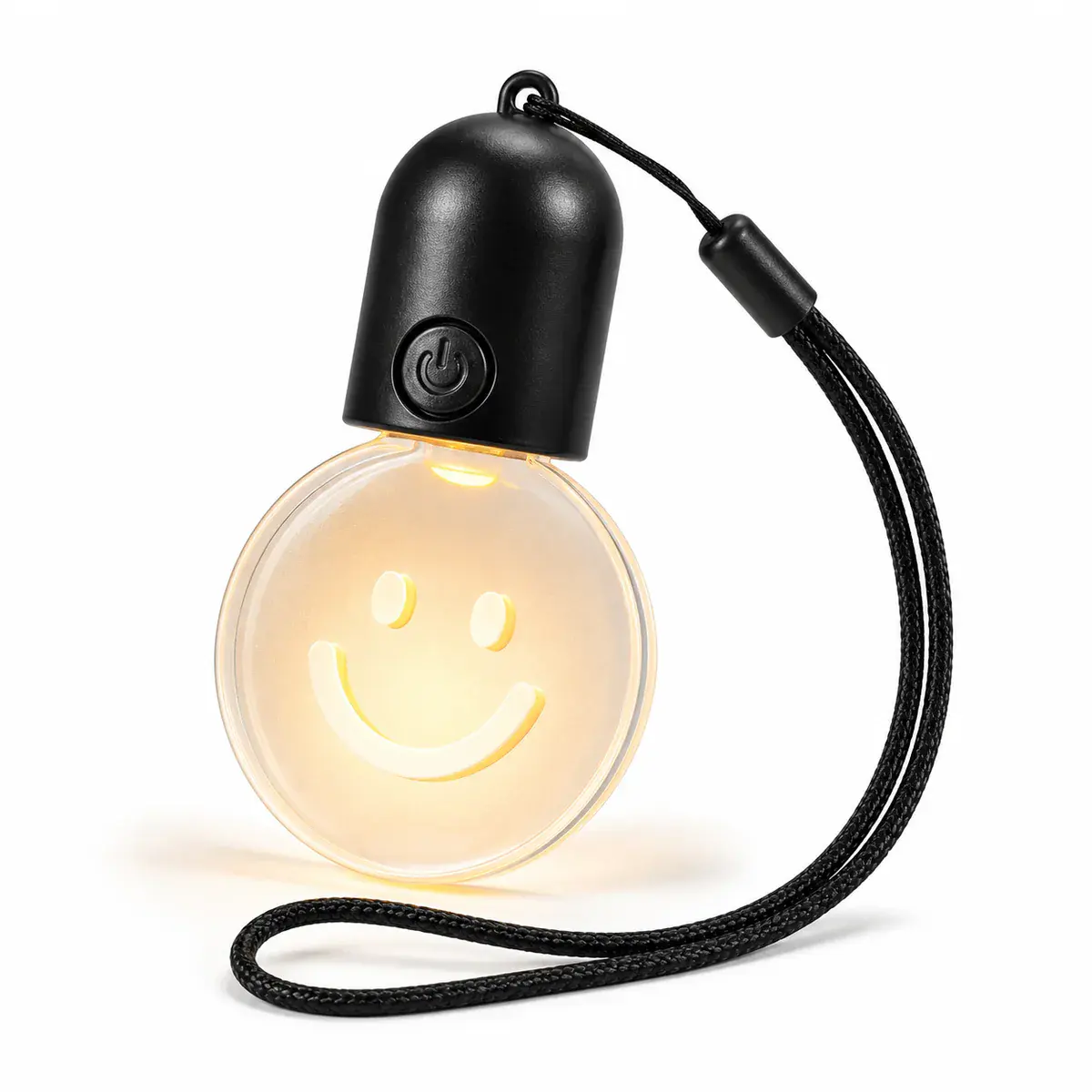
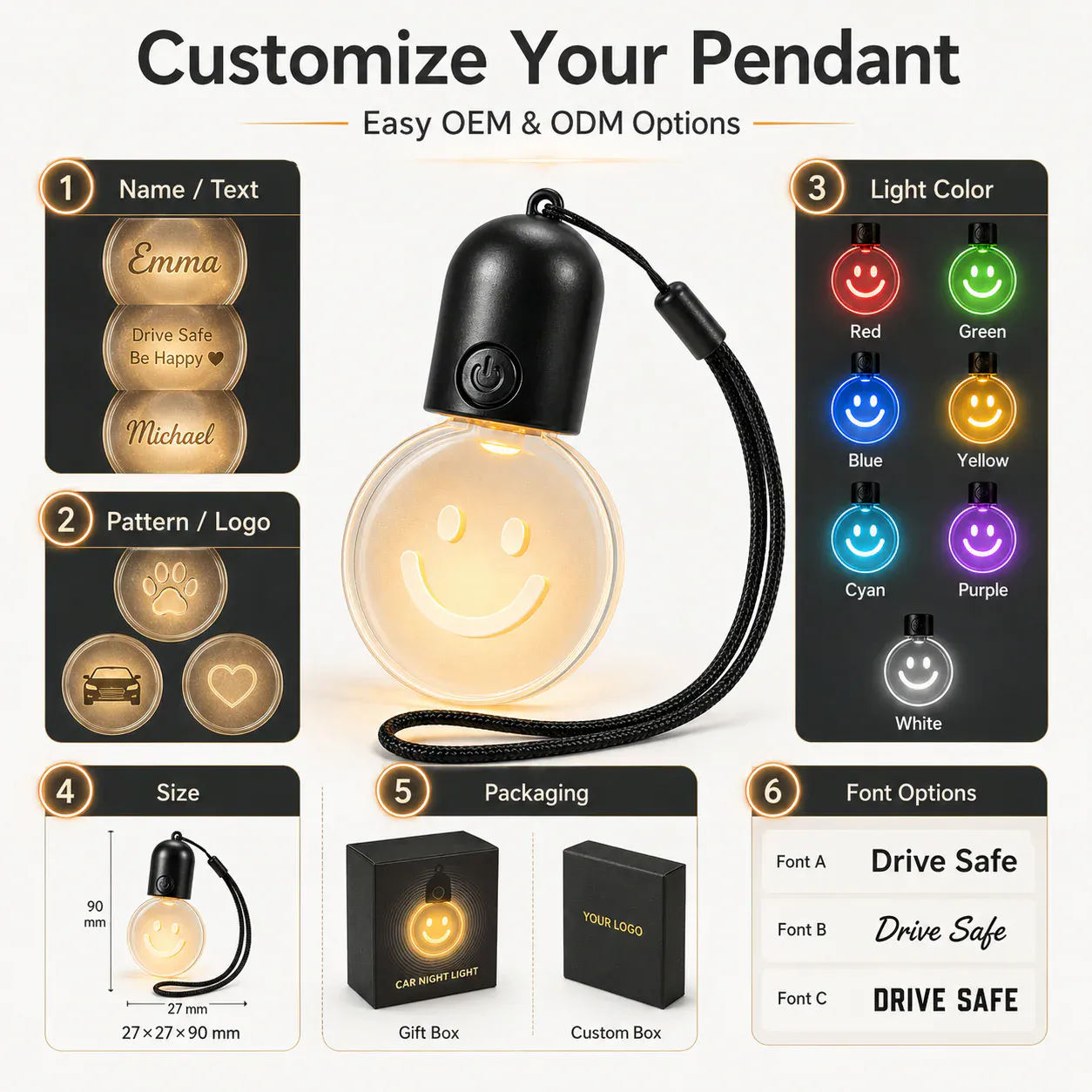
Before discussing customization, record the standard material, size, function, visual design, power approach and standard packaging shown for the selected product. These are product facts, not promises that every variation is available.
Group the requested changes
- Branding: logo engraving, printed artwork, names, messages or decoration position
- Visual direction: color, finish, pattern or light presentation where the platform supports it
- Packaging: printed box, gift presentation, inserts or label direction
- Engineering: dimensions, geometry, structure, lighting program, electronics or new tooling
Know when engineering review is needed
A different logo does not normally have the same process as a new product shape. A request that changes the core structure, acrylic geometry, dimensions, electronics or tooling needs technical review. Sending the intended use, reference images and any dimensional constraints early gives the team a more reliable basis for the next step.
Prepare files at the right stage
Use AI, PDF, PSD, CAD or high-resolution artwork when available, but do not delay the initial conversation if only a sketch or reference photo exists. The first review establishes the appropriate route; the production file package is finalized once the selected product and customization scope are confirmed.