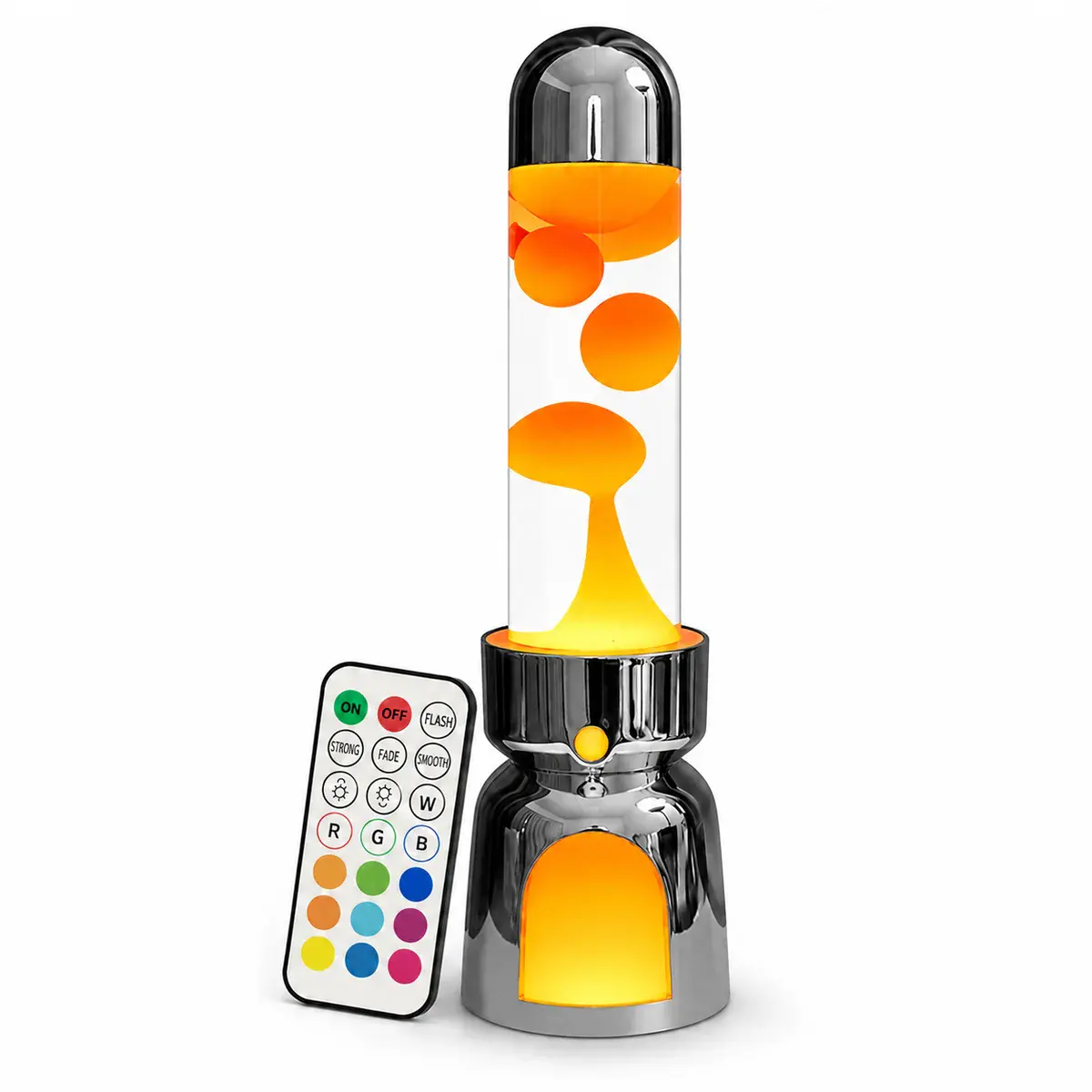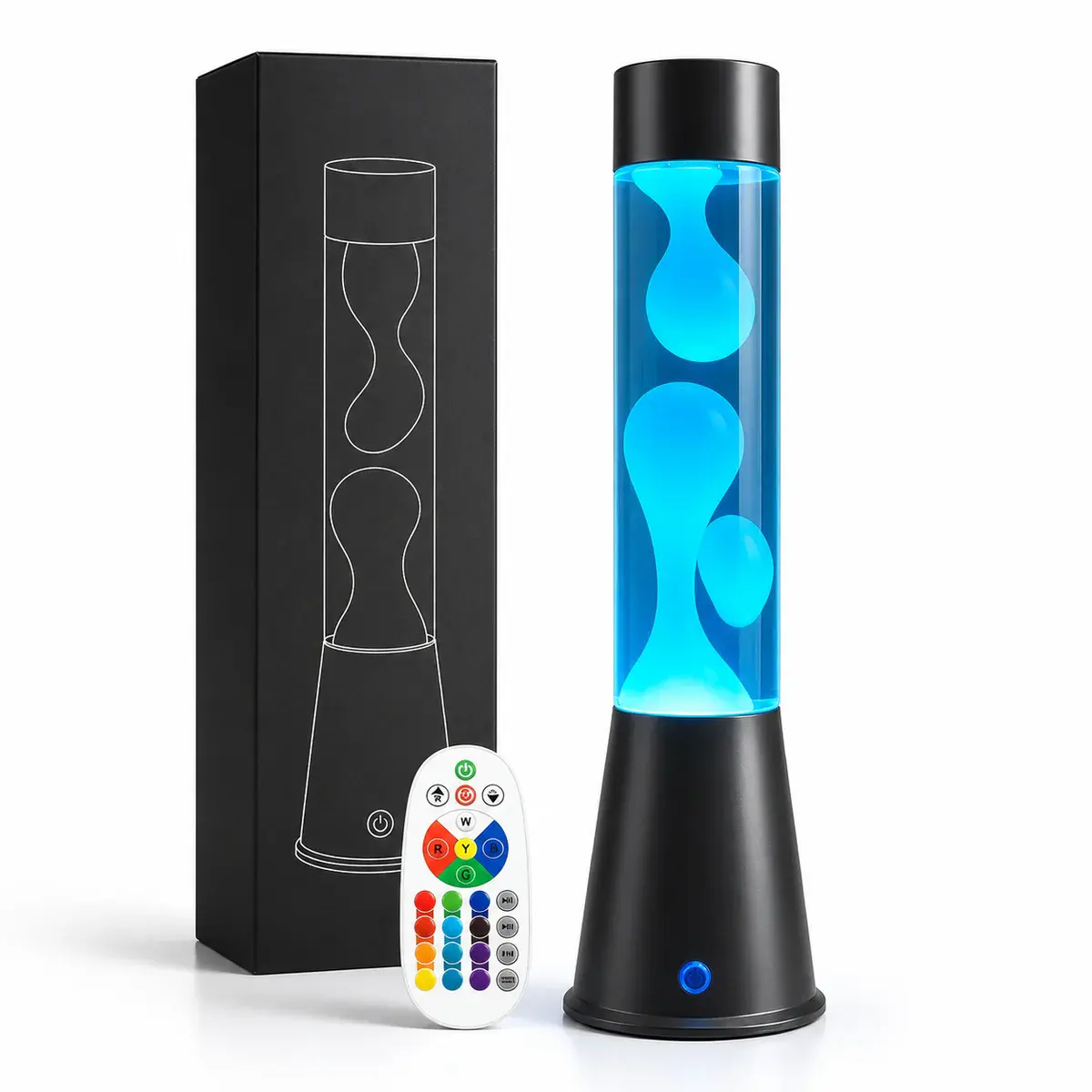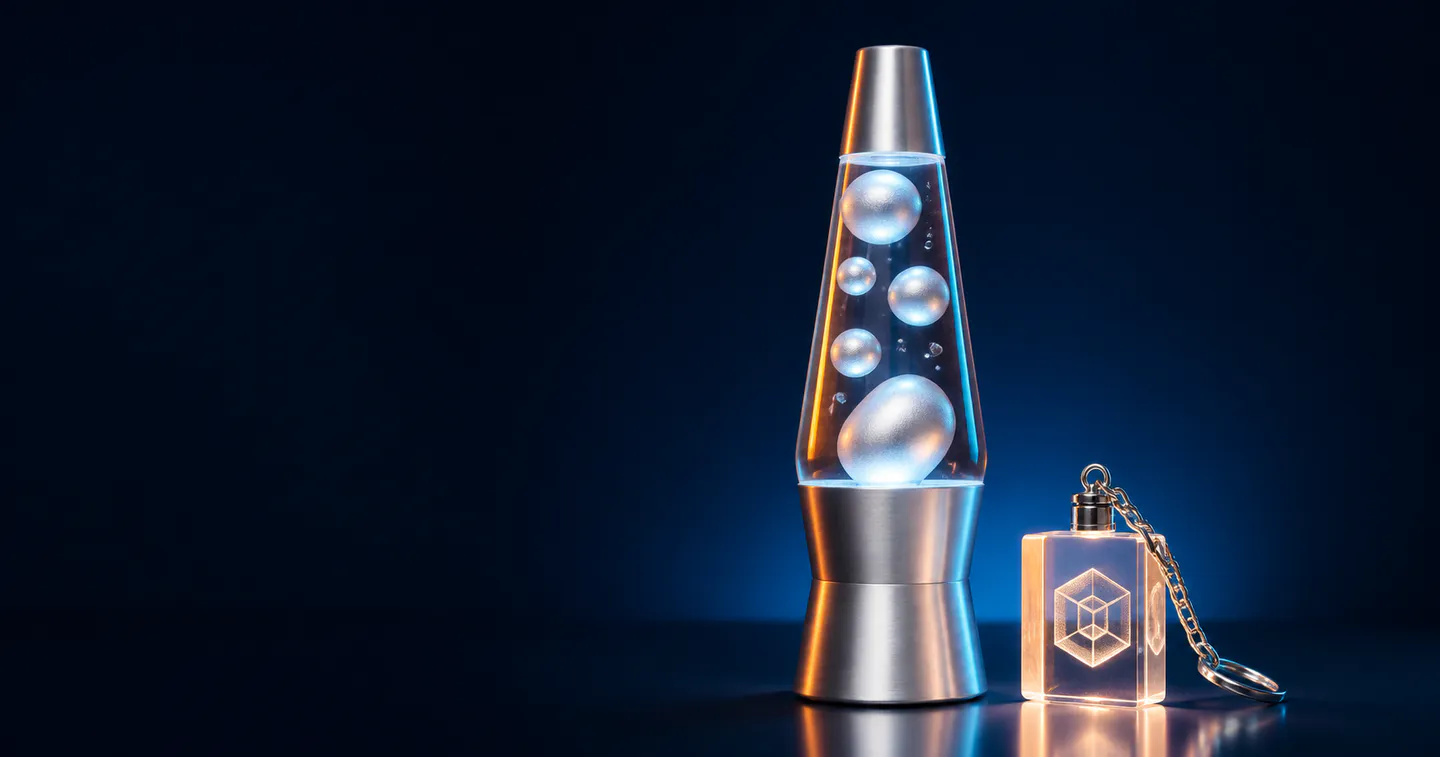
Choose an ambient light by room, visual effect, brightness, color, control, power and intended placement. Use the Decorative & Ambient Lightscollection as a starting point, then verify the exact model and requested changes before quotation.
Decisions to make before requesting a quote
| Decision | What to define |
|---|---|
| Room | Identify bedroom, lounge, retail, hospitality, desk or shelf context. |
| Effect | State glow, pattern, motion, projection or illuminated object as the main visual. |
| Control | Choose simple switch, touch, remote or supported mode sequence based on user behavior. |
| Placement | Confirm surface, wall clearance, viewing angle, cable route and normal room light. |
Start with atmosphere, not the feature list
Warm, calm, colorful and interactive are different objectives. Define the intended mood and how long the product operates. This makes it easier to choose light color and control without adding modes that users do not need.
Review day and night appearance
An ambient light may remain visible when switched off. Check materials, finish, cable and overall form in normal daylight as well as the illuminated effect in the expected room condition.
Information to include in the brief
- Room type and intended atmosphere
- Product placement and viewing direction
- Light color, brightness and mode preference
- Power, cable and control expectations
- Finish, branding and packaging direction
Keep the approved product, artwork, power arrangement, accessories and packaging in one version-controlled brief. If a requested change affects dimensions, tooling, electronics, materials or performance, treat it as an engineering review rather than assuming it belongs to the standard model within the decorative ambient light buying guide workflow.