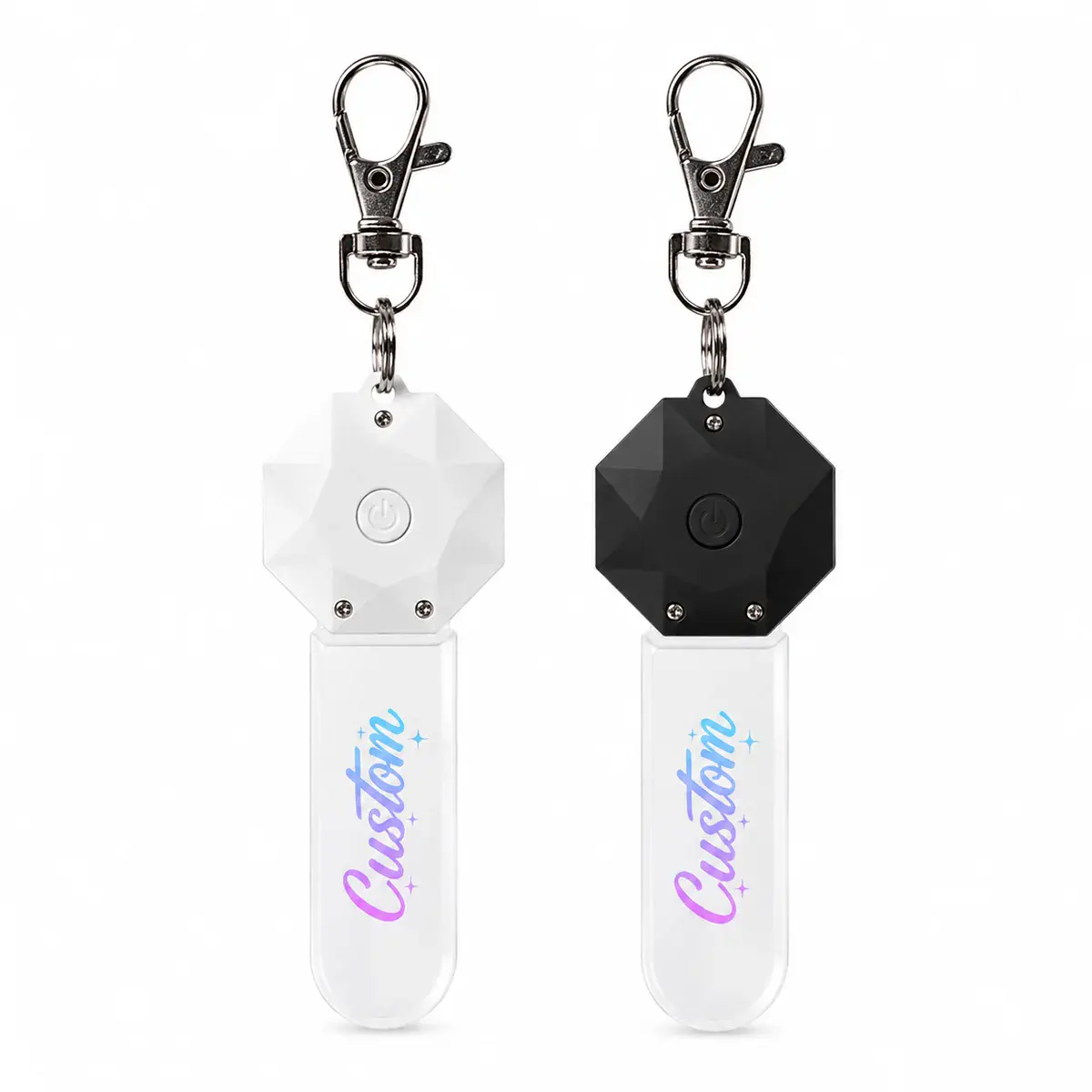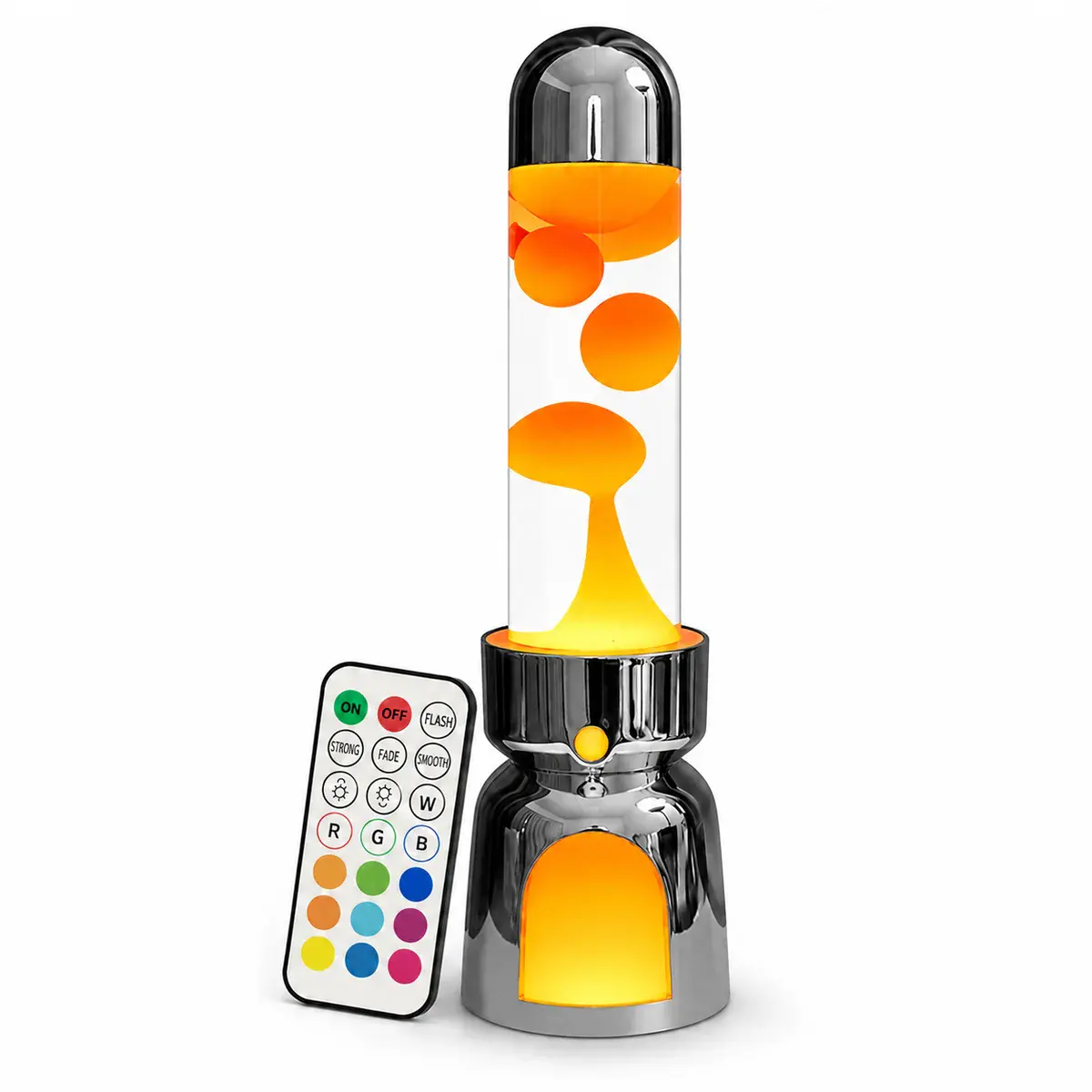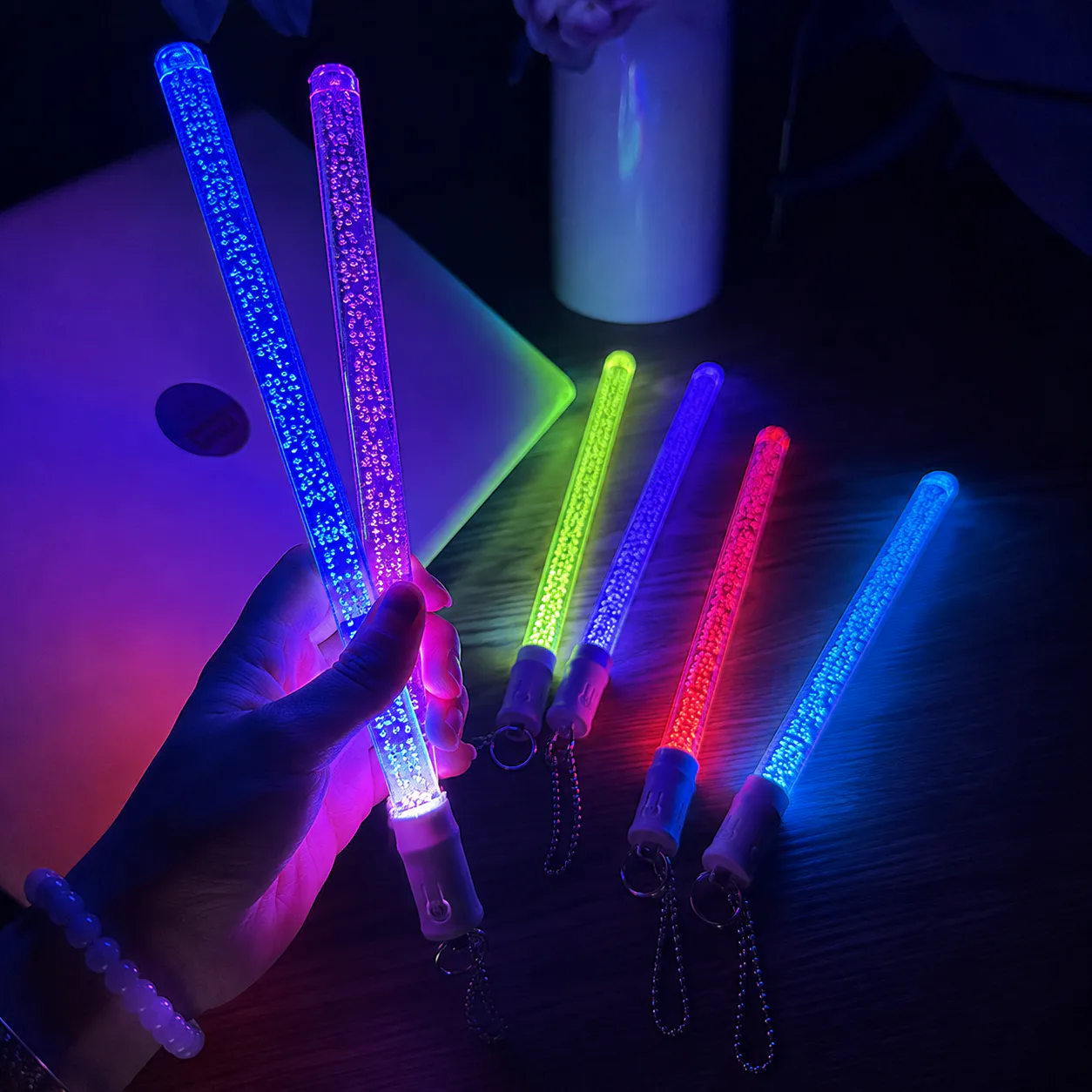
Review acrylic thickness, edge quality, surface finish, strength and light behavior for a custom illuminated gift. Use the Light-Up Acrylic Giftscollection as a starting point, then establish the exact model and requested changes before quotation.
Decisions to make before requesting a quote
| Decision | What to define |
|---|---|
| Thickness | Match the approved panel to the base slot, housing or attachment geometry. |
| Edge | Define polished, cut or other reviewed finish according to handling and light behavior. |
| Surface | Confirm clear, frosted, printed or protected areas and film-removal instructions. |
| Strength | Check narrow bridges, holes, points and unsupported spans at final scale. |
Thickness affects fit and light
Changing panel thickness can alter slot fit, LED alignment, weight and the visible edge effect. It should be reviewed with the actual base or housing, not as an isolated material preference.
Design fragile features out of the outline
Very thin necks, sharp internal corners and holes close to the edge can create weak points. Modify the outline where needed while preserving the recognizable artwork.
Information to include in the brief
- Overall acrylic dimensions
- Required thickness or matching base model
- Edge and surface finish
- Attachment holes and narrow features
- Protective film and cleaning expectations
Keep the approved product, artwork, power arrangement, accessories and packaging in one version-controlled brief. If a requested change affects dimensions, tooling, electronics, materials or performance, treat it as an engineering review rather than assuming it belongs to the standard model for the acrylic edge, finish and thickness guide review.
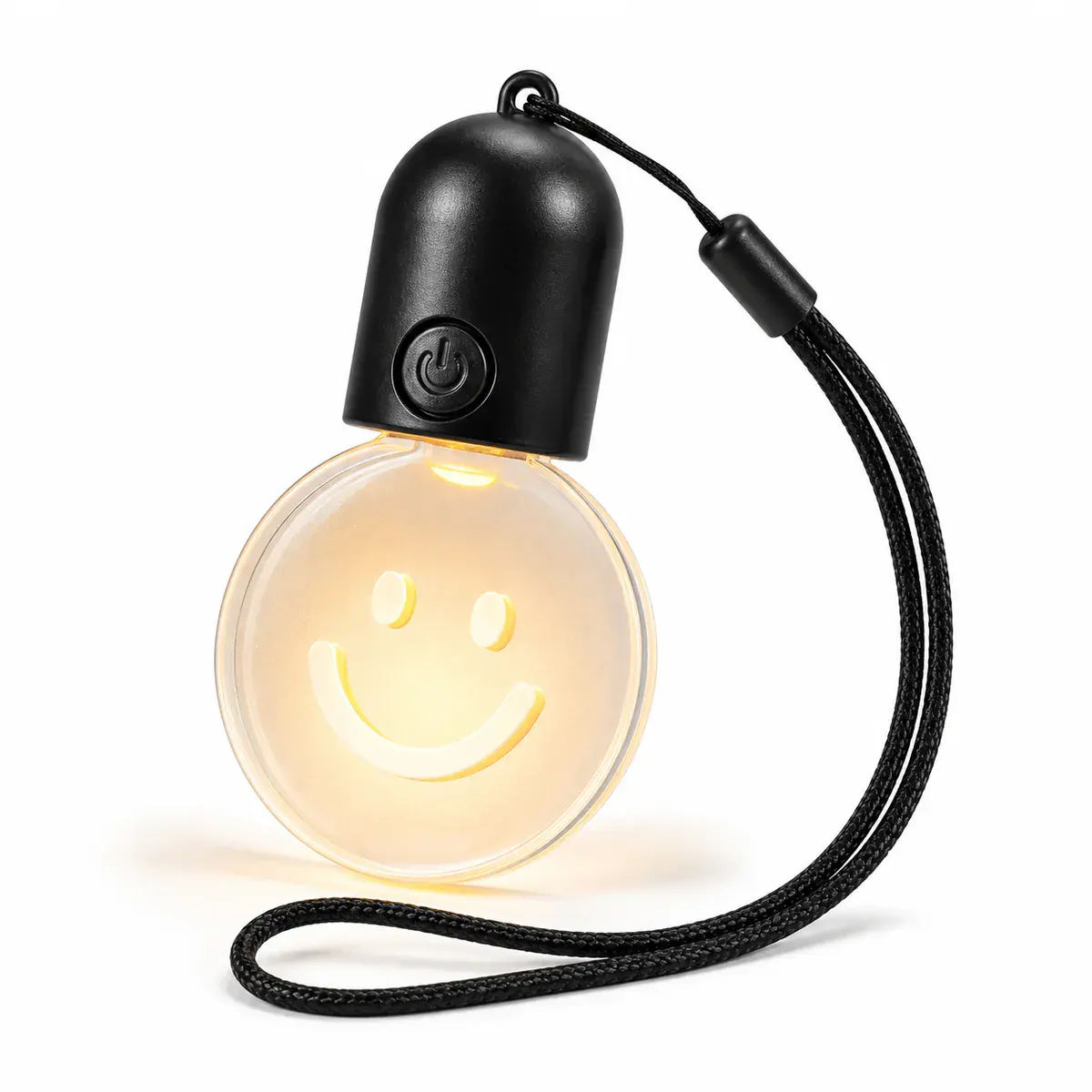 Rechargeable Round Acrylic Light-Up Keychain