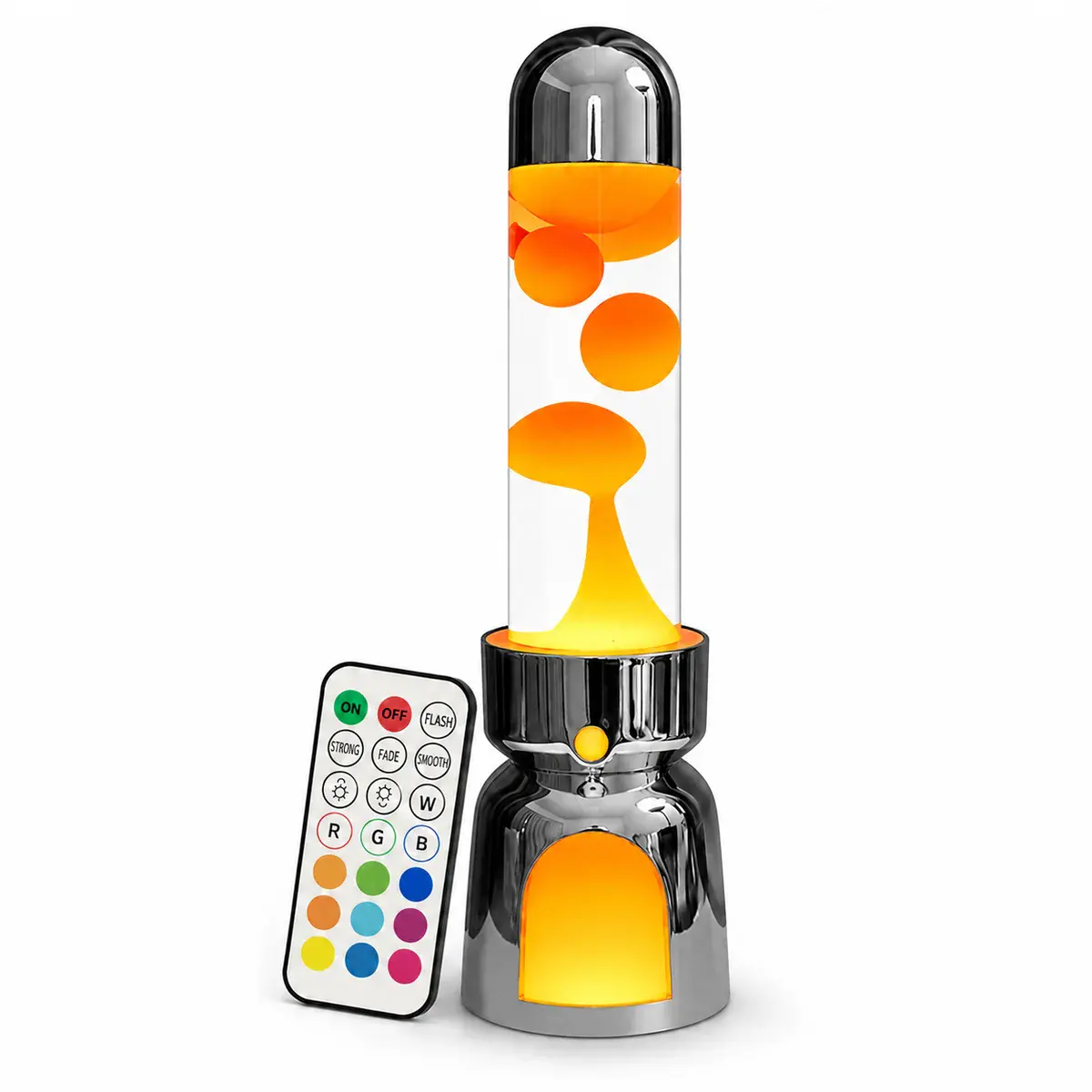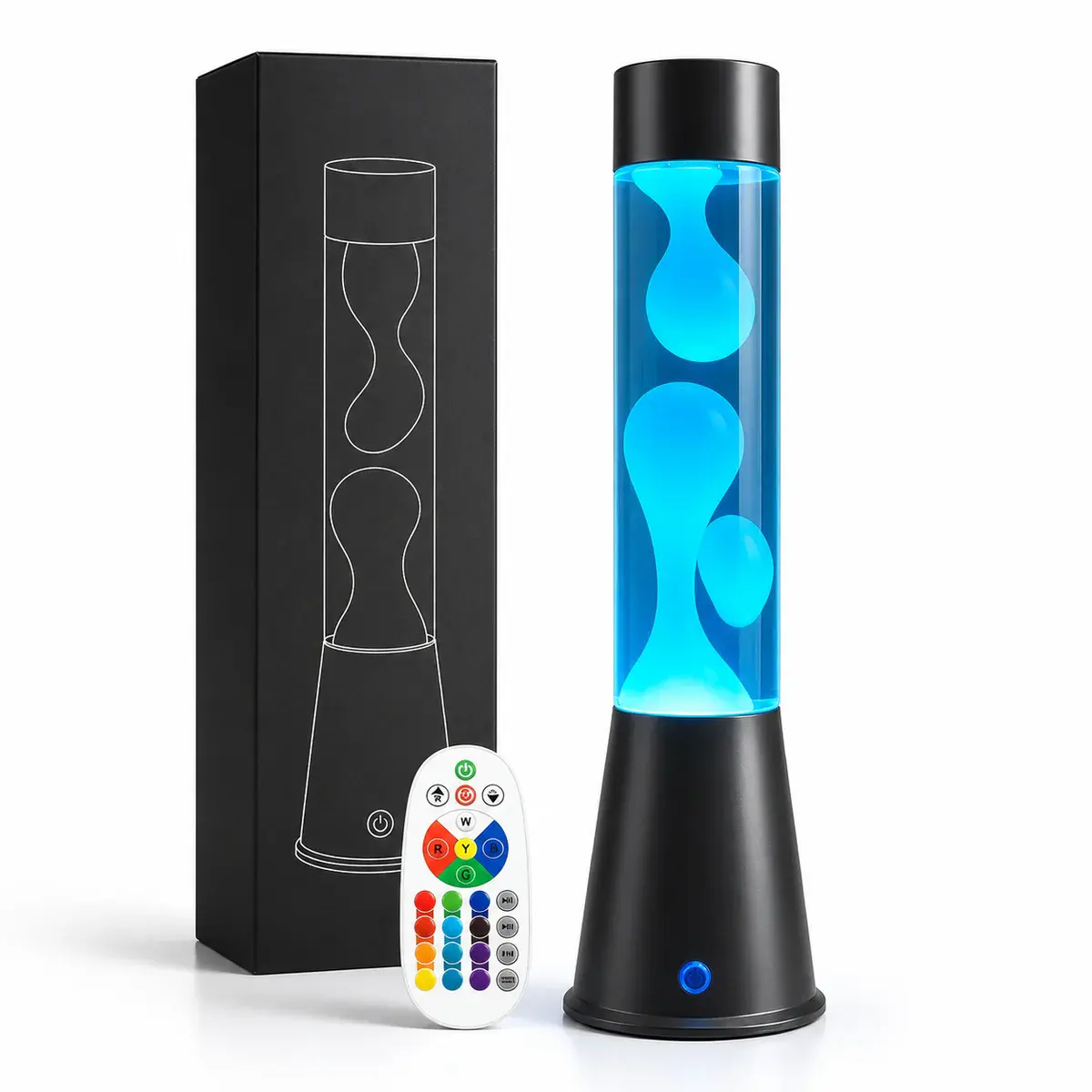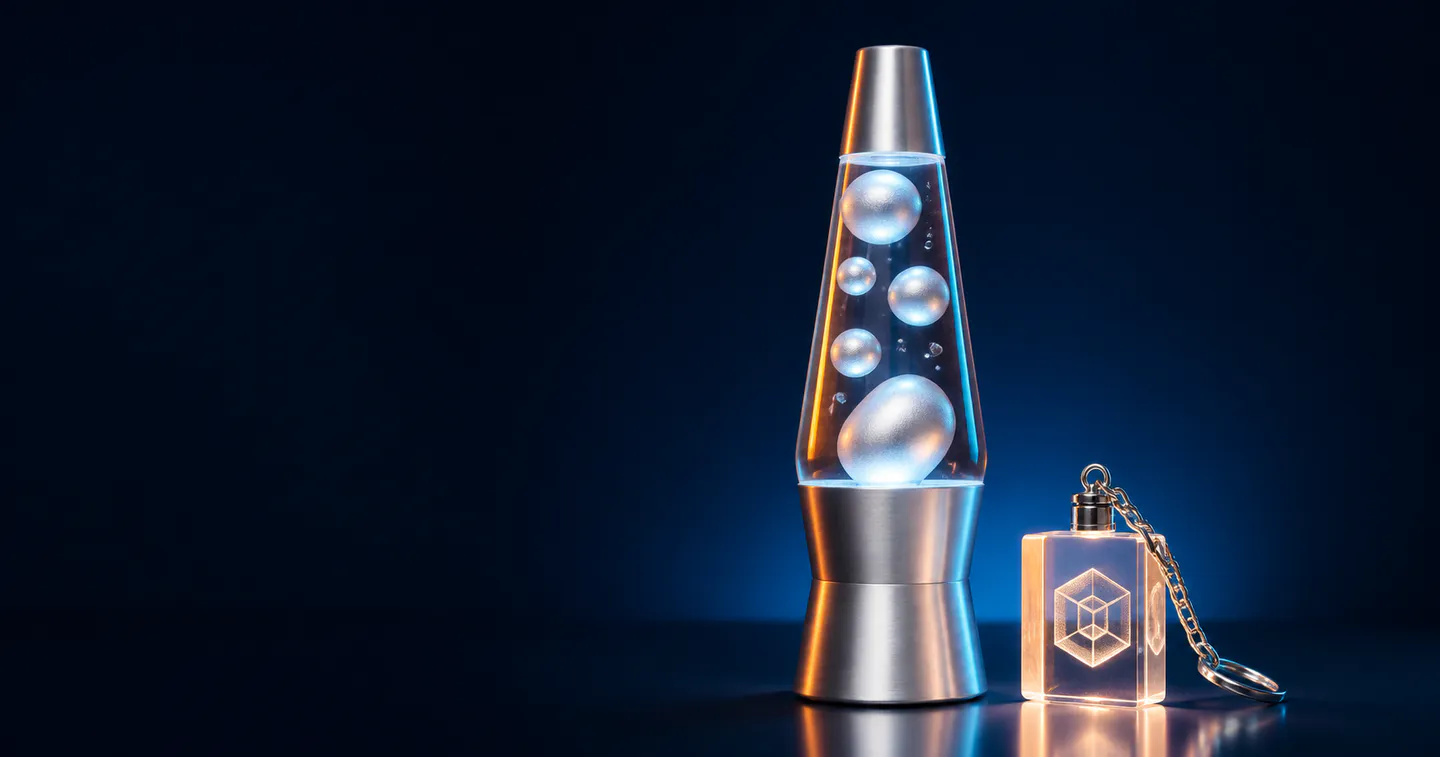
Separate mood-light and night-light requirements by brightness, room role, controls, operating pattern and product presentation. Use the Decorative & Ambient Lightscollection as a starting point, then confirm the exact model and requested changes before quotation.
Decisions to make before requesting a quote
| Decision | What to define |
|---|---|
| Primary purpose | Choose navigation or gentle visibility versus decorative atmosphere and color effect. |
| Brightness | Define comfortable output for the room instead of using generic bright or dim terms. |
| Operation | State continuous use, timed use, occasional display or user-selected scenes. |
| Placement | Confirm bedside, hallway, shelf, desk or hospitality location and viewing angle. |
The name alone does not define performance
Products marketed as night lights can vary widely in output, power and control. Mood lights can be very subtle or visually active. A sourcing brief should describe the use rather than relying on the label.
Keep controls proportionate to the job
A simple low-level light may need only reliable on/off behavior. A decorative mood product can justify modes or remote control if users can understand them. Extra functions should support the experience.
Information to include in the brief
- Primary room function
- Comfortable brightness direction
- Color and mode requirement
- Operating duration and control
- Placement and power access
Keep the approved product, artwork, power arrangement, accessories and packaging in one version-controlled brief. If a requested change affects dimensions, tooling, electronics, materials or performance, treat it as an engineering review rather than assuming it belongs to the standard model within this mood light vs night light what buyers should specify blog scenario.