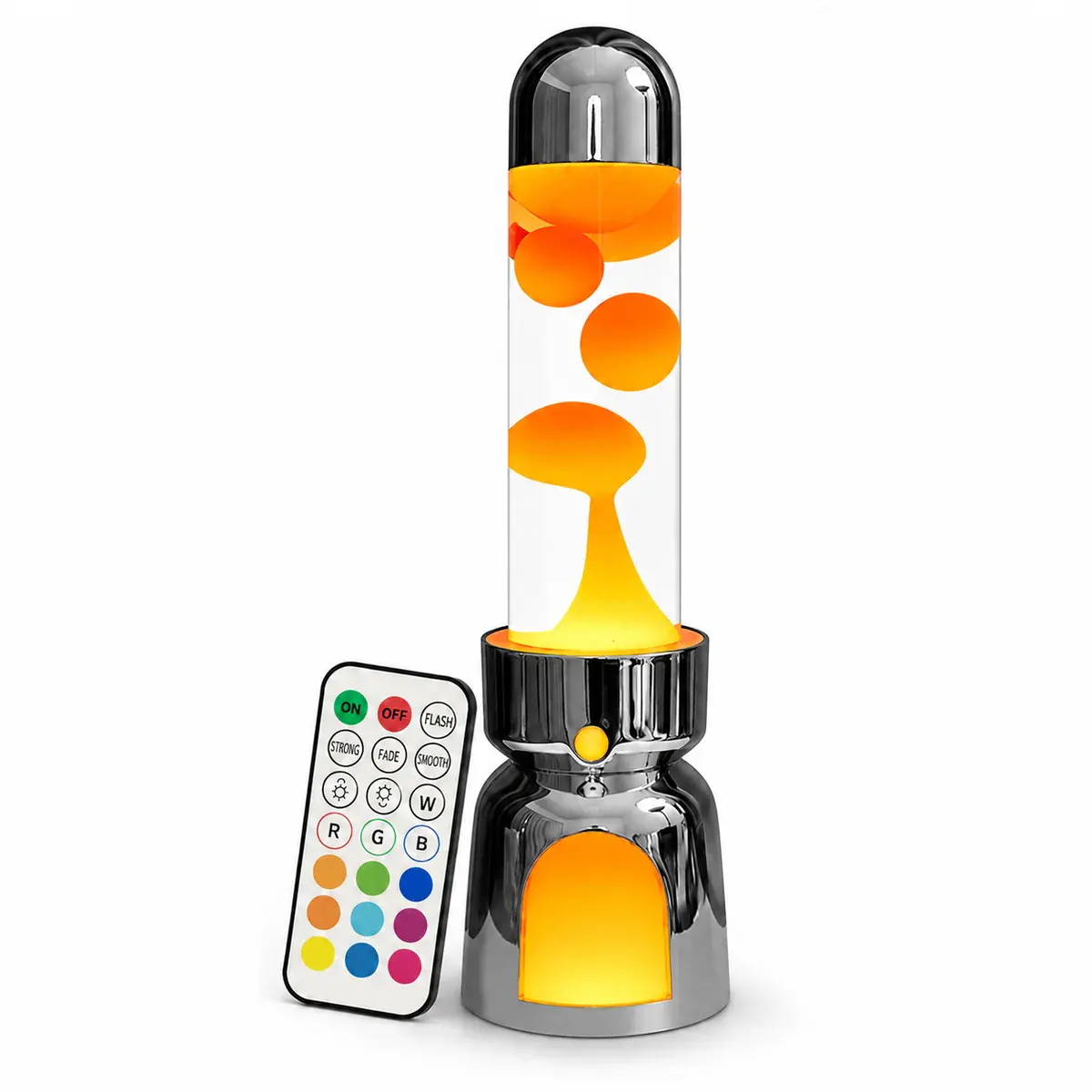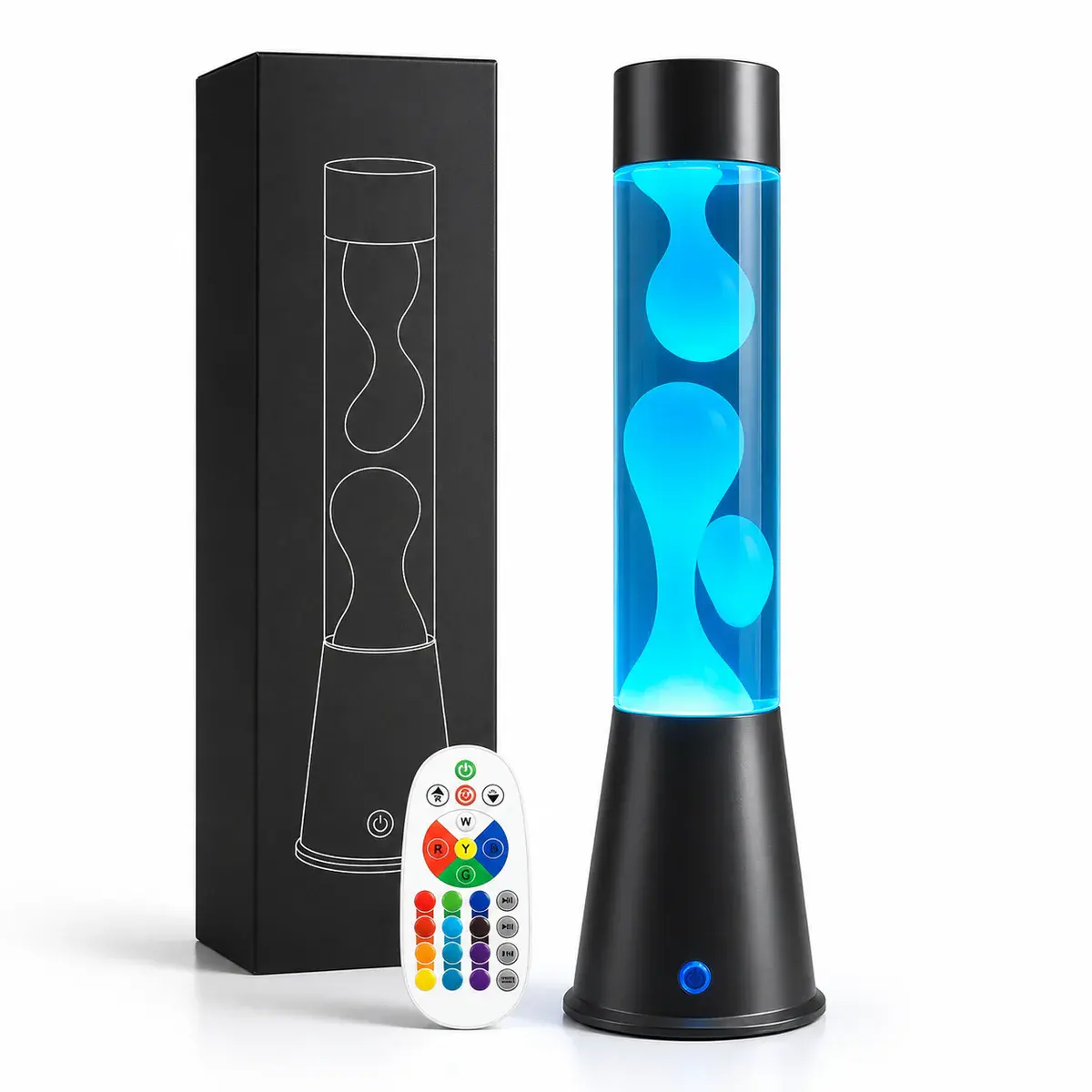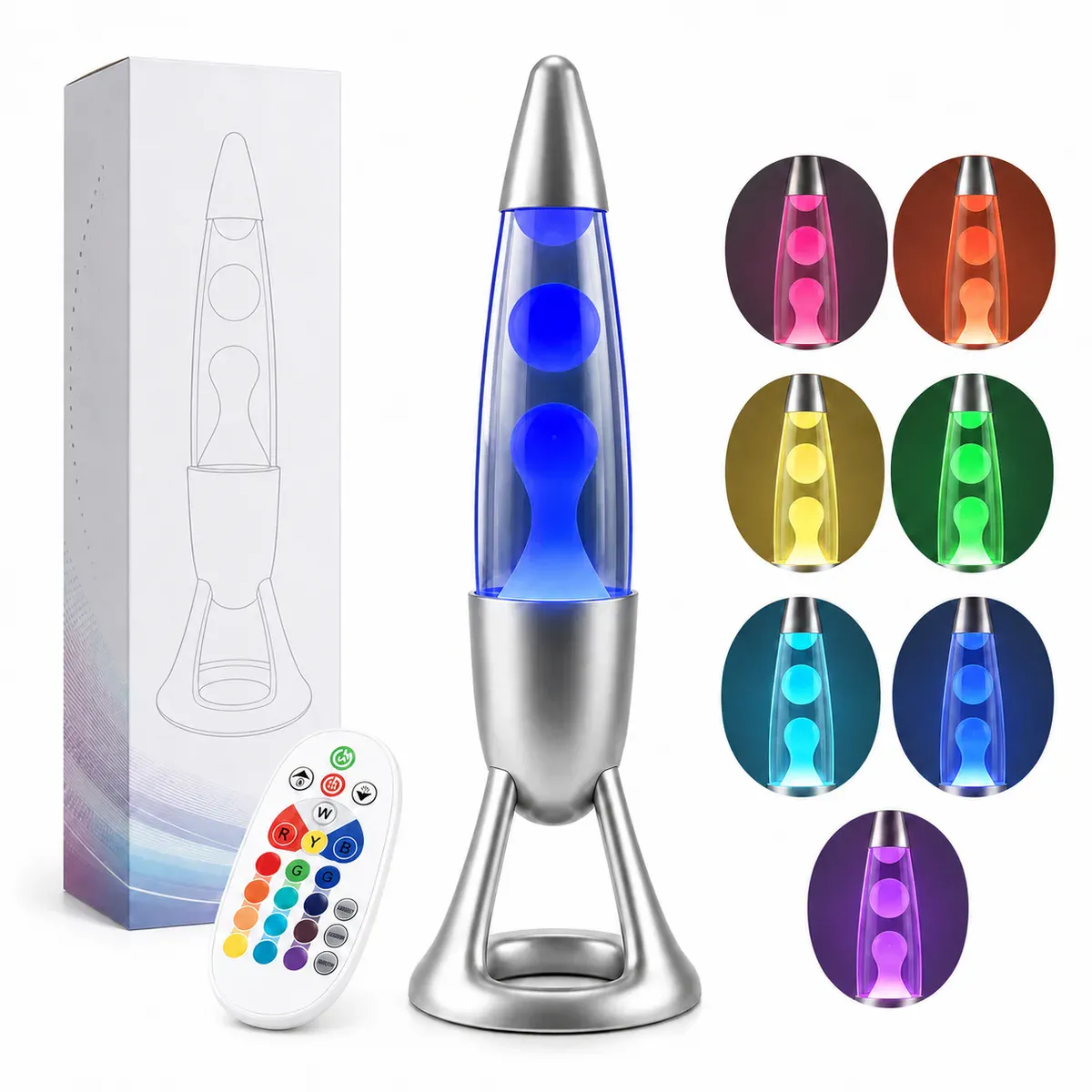
A motion lamp is both a product and a visual experience. Buyers get a better sourcing conversation when they define the intended selling program—not only the lamp shape.
Start with the collection role
Is the lamp intended for a gift line, a decor collection, a branded retail program or hospitality ambience? The answer informs the visual direction, product format, packaging expectation and the amount of product adaptation that is useful.
Compare the current configuration carefully
Review the standard model shown for the product: dimensions, power approach, visual effect, included accessories and standard packaging. Then list separate requests for finish, light options, color direction, remote control, branding or packaging. This avoids mixing product facts with optional capabilities.
Escalate only the changes that need engineering
Private-label changes may fit an existing platform. A new base, new lamp geometry, revised electronics or new tooling is a different route and should be described as a development requirement. Reference photos help, but the product must be developed as an original project rather than copied from another supplier.
Include the commercial context
Share the target market, expected quantity, delivery window and desired retail position. These details allow product, packaging and documentation considerations to be reviewed together.