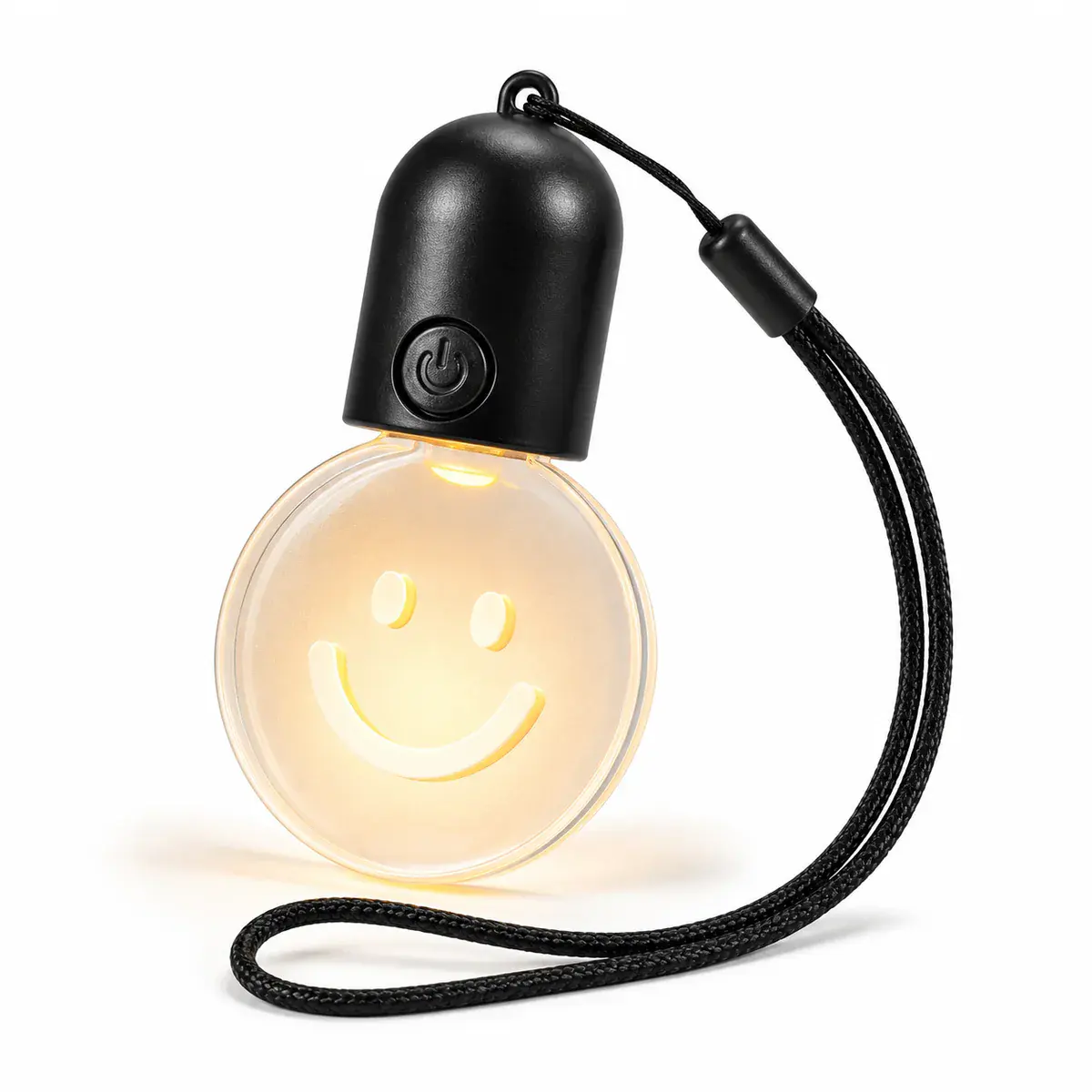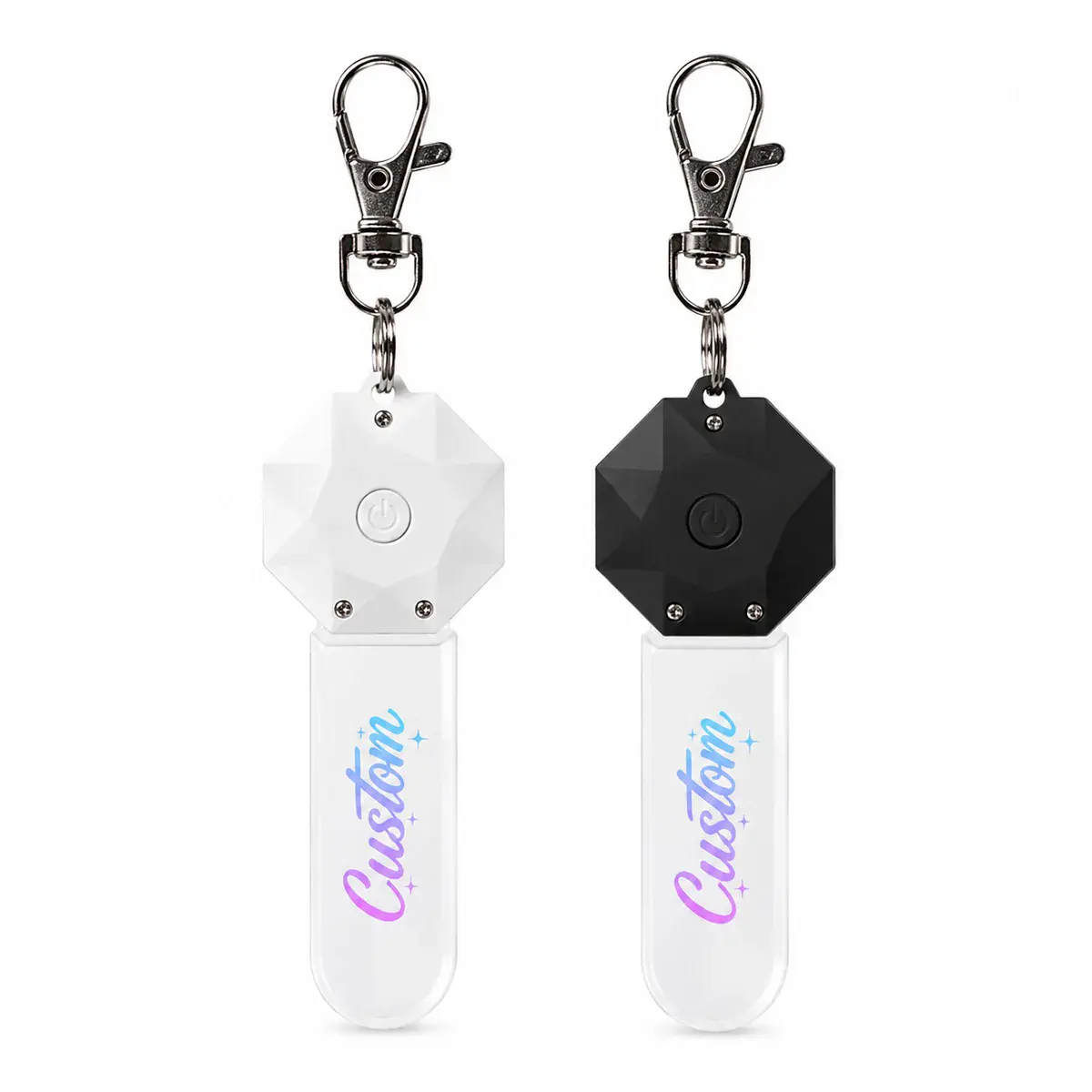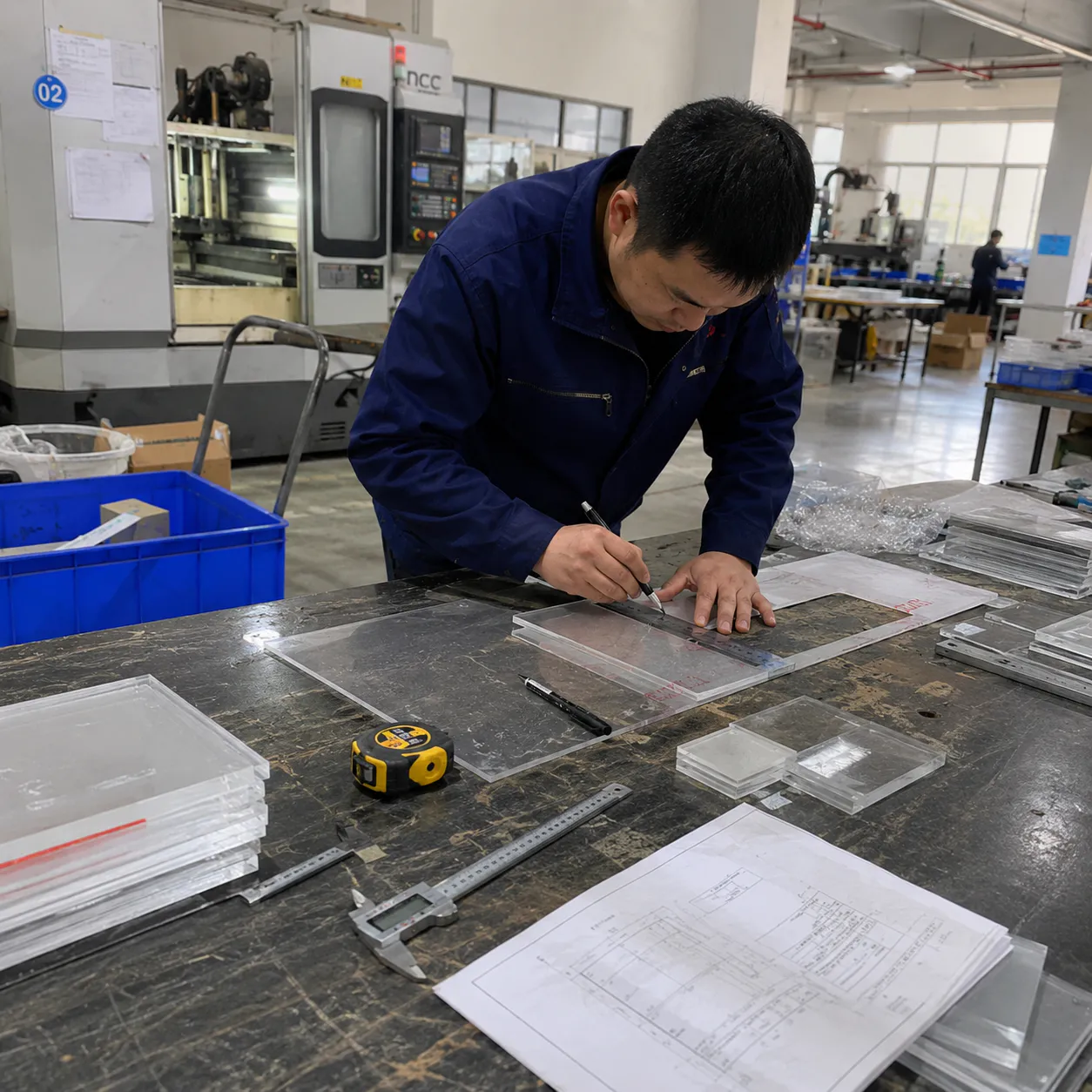
A useful RFQ does not need to be a completed engineering file. It needs to make the commercial goal and the known product decisions visible so the right route can be reviewed.
Start with the product decision
Say whether you are selecting a current product, adapting an existing platform, supplying a finished design for manufacturing, or exploring a new product concept. This prevents a logo request from being treated like a tooling project, or a new design from being quoted as a standard item.
Send these first
- Product link, photo, reference sample, sketch or short description
- Expected quantity, destination market and target delivery date
- Logo, artwork, packaging idea, dimensions or technical files already available
- What must remain unchanged and what must be customized
Choose the route after review
Production-ready
You select the current configuration and confirm commercial details for the order. This is the fastest route when the existing product already fits the program.
ODM / private label
You start from an existing product platform and review branding, artwork, finish, color or packaging changes. The final scope depends on the selected model and order requirement.
OEM / build-to-print
You provide the completed drawing, specification or approved sample; manufacturing is reviewed against that customer-provided design.
Full ODM development
You bring an idea, use case or reference direction; the product concept, structure and production route are developed through a project review.
Make timing and market requirements explicit
State the delivery deadline, target country or region, intended use and retail or distribution channel. These details affect sample planning, packaging, product documentation and the commercial route. A quotation should confirm what has been reviewed rather than assume it.