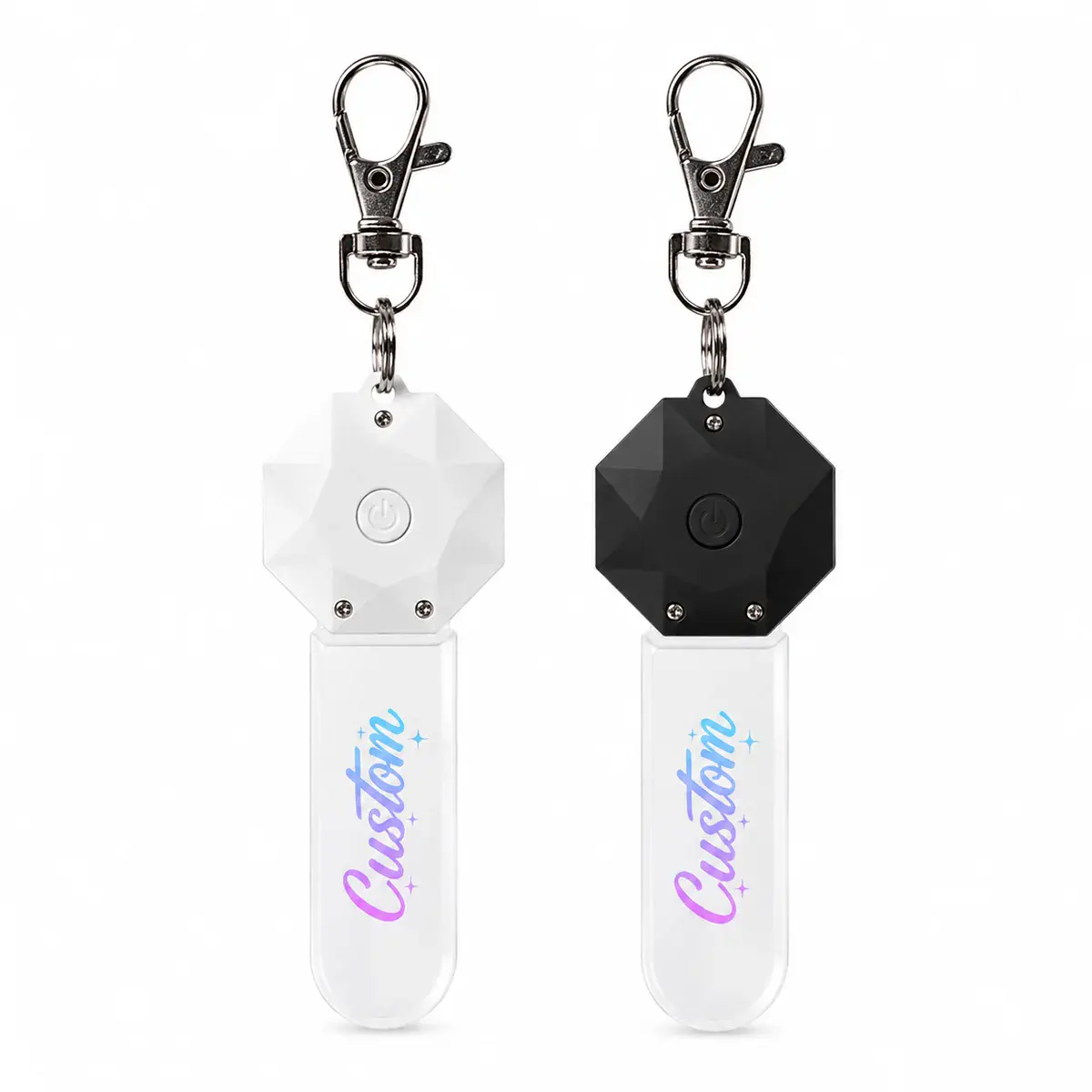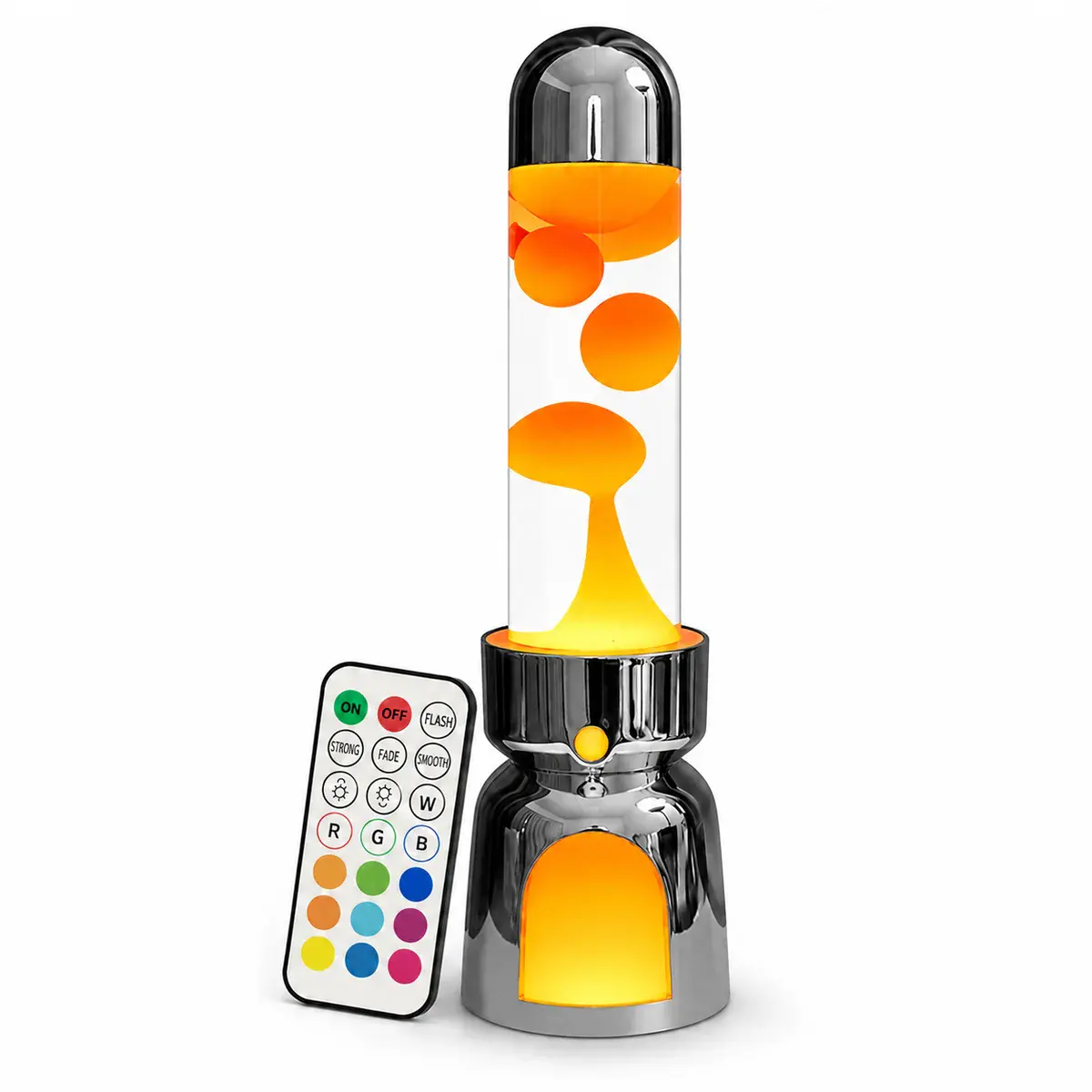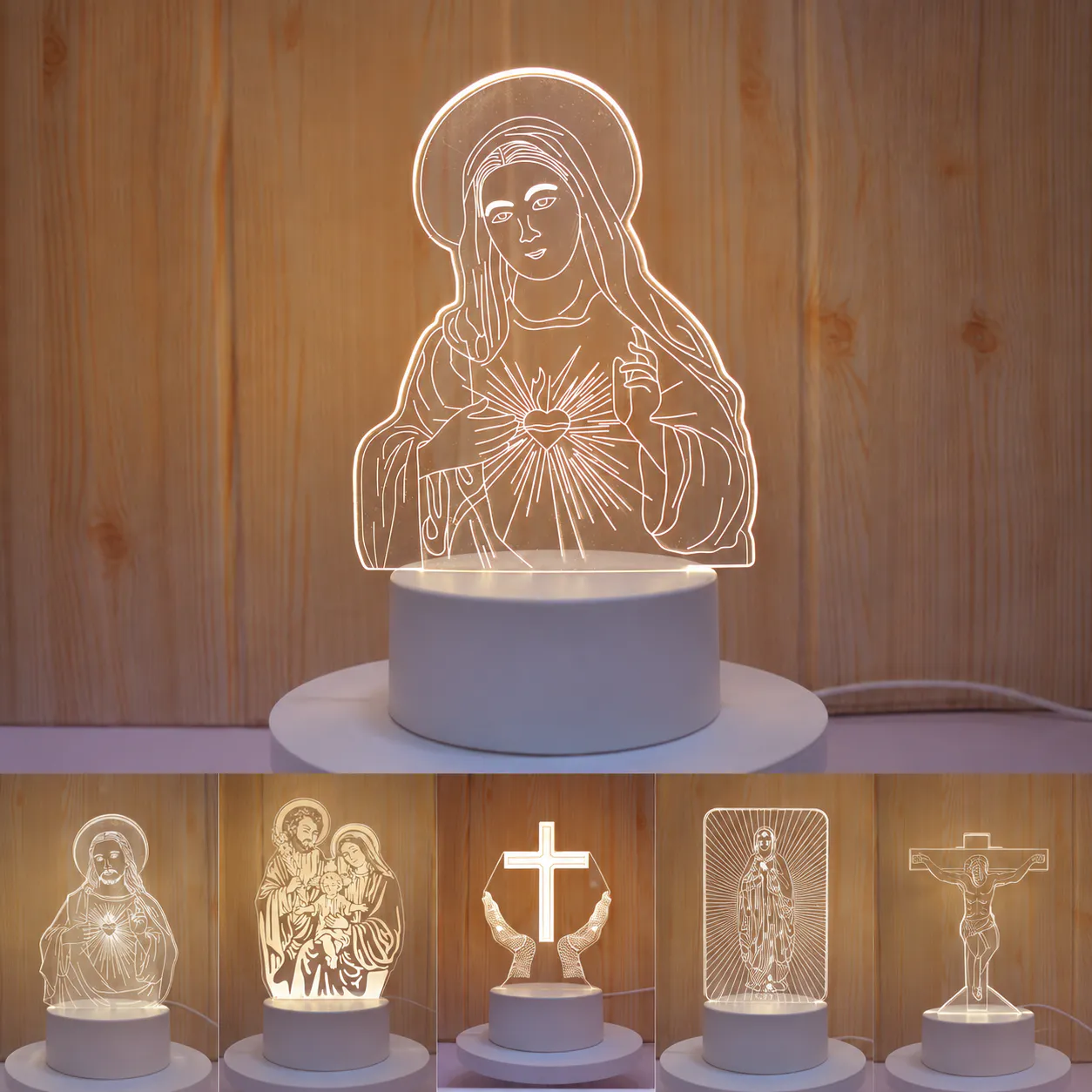
This representative example explains how an e-commerce seller could plan a private-label acrylic night-light collection. It does not identify a customer, disclose an order or claim a commercial result.
The starting brief
A gift buyer or e-commerce seller plans a small collection with several illustrated acrylic designs. The products should look related in listings and packaging, use one familiar control system and allow artwork to change without creating a new electronic specification for every design. The initial brief includes the destination market, sales channel, quantity range, target date, parcel route and packaging position.
One base becomes the controlled platform
The buyer compares a tabletop RGB format, a rechargeable 7-color format and a warm-white format. One solution is selected around the intended experience, not simply the longest feature list. The approved base, controls and power arrangement remain common across the collection.
A shared artwork template controls every design
The project team defines the outer size range, insertion geometry, visible area and decoration layers. Each illustration is checked against the same template. Names and file identifiers connect the artwork proof, sample and packaging so similar designs cannot be exchanged accidentally.
The sample review happens in two levels
First, one representative design confirms the base fit, material, light behavior, decoration method and basic pack-out. Then the remaining artwork set is checked for line density, print color, spelling, placement and any design-specific balance issue. A materially different panel size or process returns to physical review instead of being treated as an artwork-only change.
Controlled collection file
- Approved base model, color and power version
- Panel template with insertion and visible zones
- Master list of artwork names and revision numbers
- Engraving, printing and viewing-face instructions
- Light program and control behavior
- Common package structure and variable artwork areas
- Instruction language and included-parts list
- Destination, carton marks and delivery details
What remains private label and what becomes development
Artwork, an approved logo location and packaging can remain an ODM / Private Label solution when they fit the current platform. A completed customer-designed base can be assessed through OEM / Build-to-Print. A new housing, unsupported electronics, changed plug structure or product concept requires a Full ODM review with its own scope.
The practical lesson
Standardize the invisible decisions before multiplying visible designs. One controlled base, panel interface, power arrangement and package system lets artwork create variety without silently creating several different products.
Prepare a first brief with the custom acrylic night light buying guide and the artwork preparation guide.
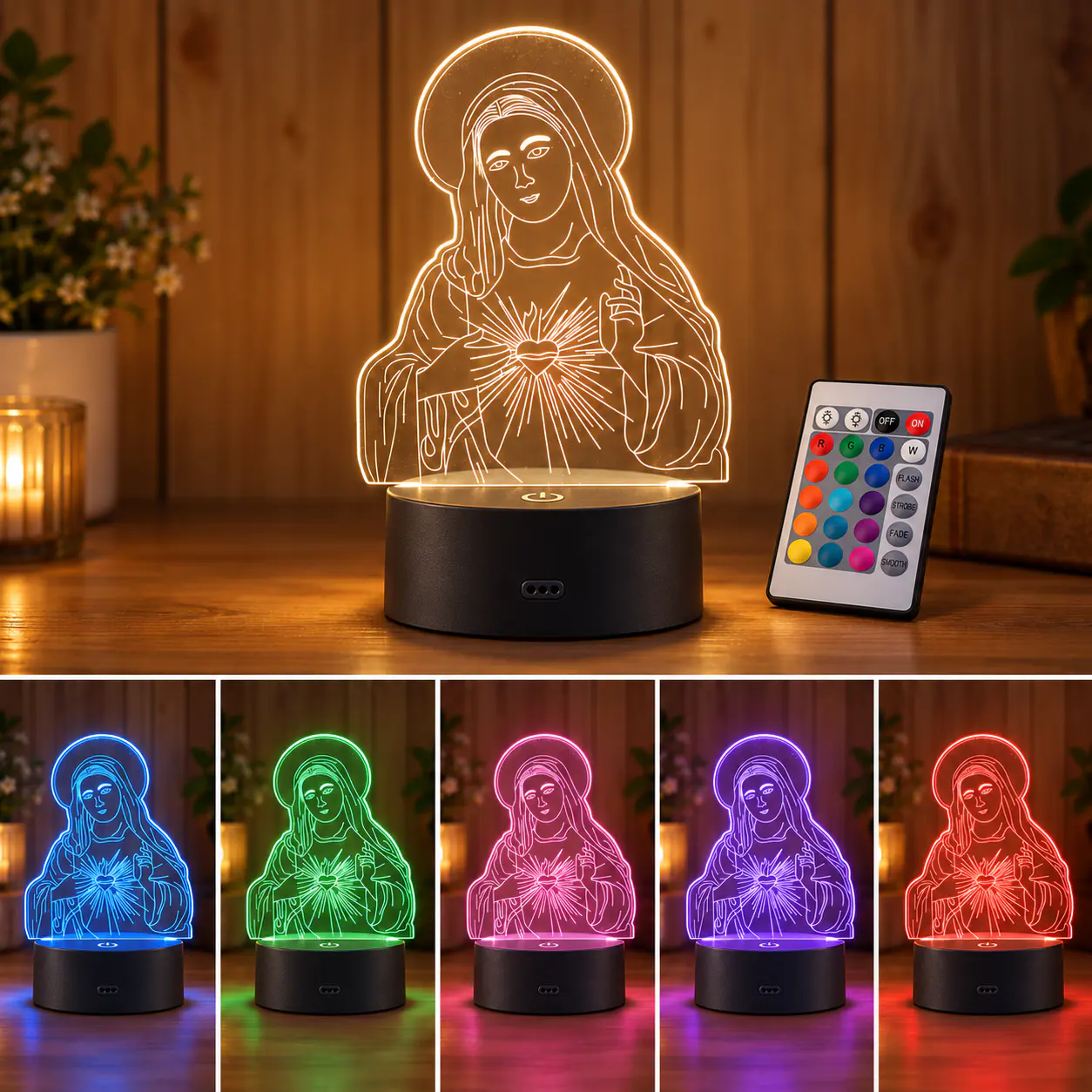 RGB Acrylic 3D Illusion Night Light
 Rechargeable 7-Color Acrylic LED Desk Sign
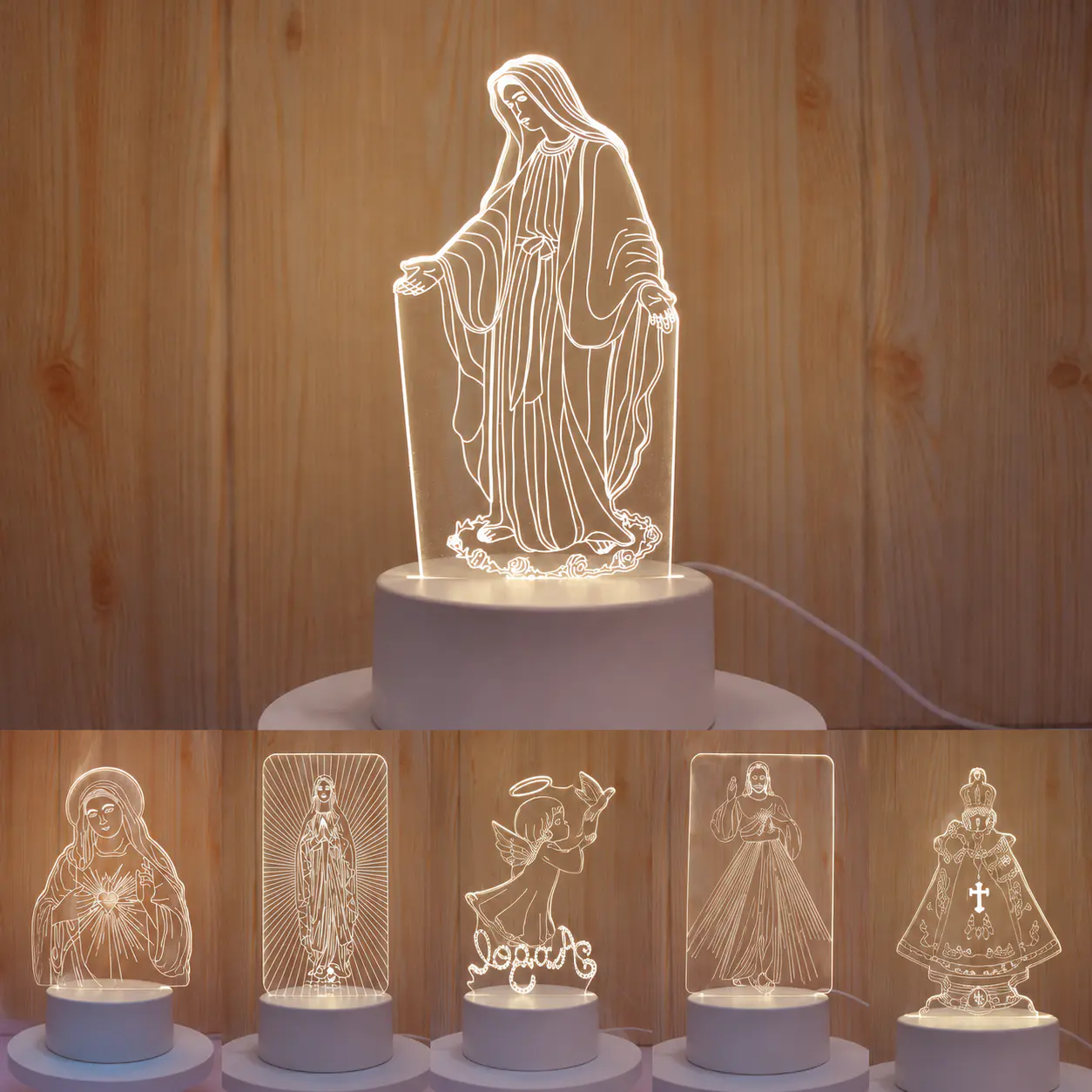 Warm White Acrylic 3D Illusion Night Light
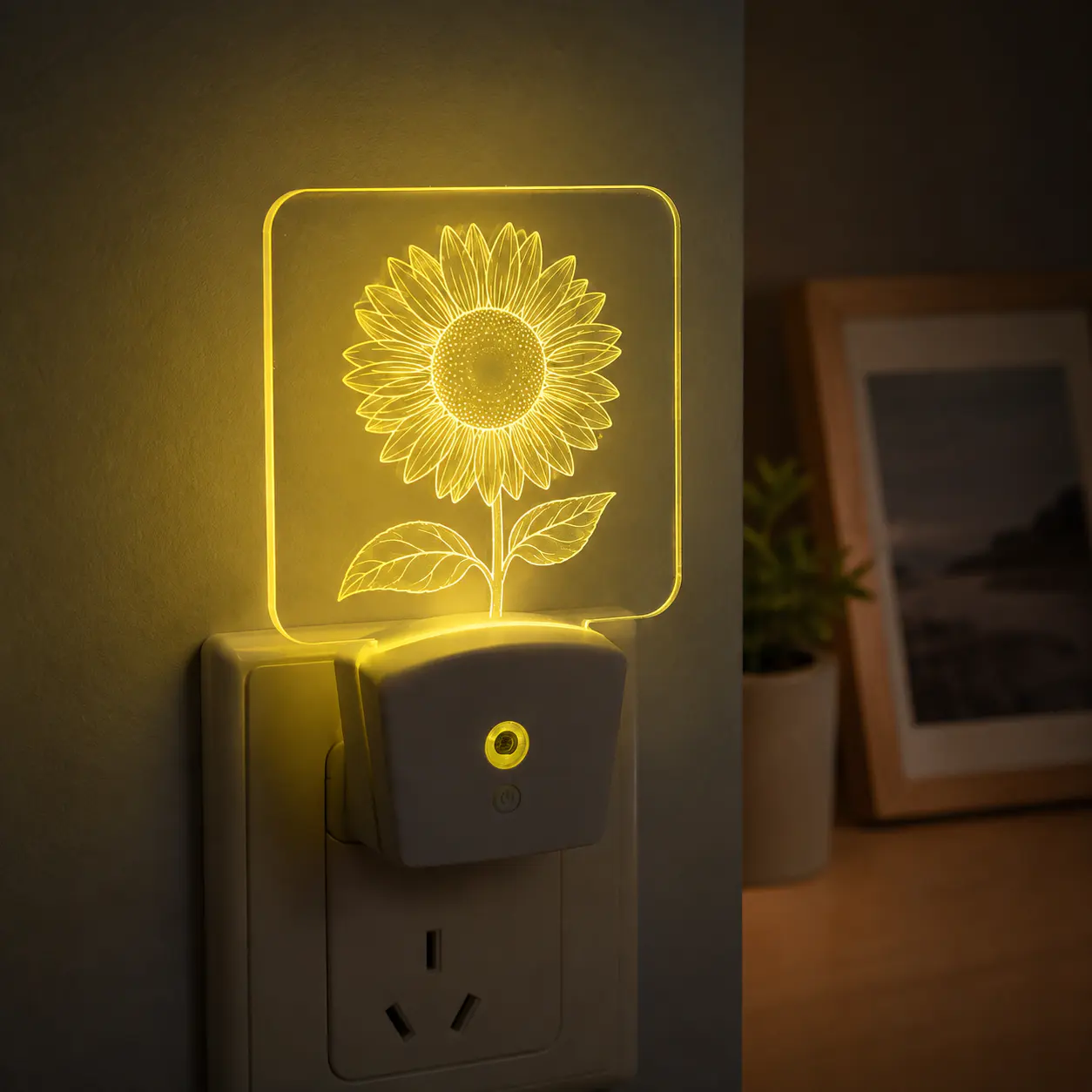 RGB Plug-In Acrylic Night Light