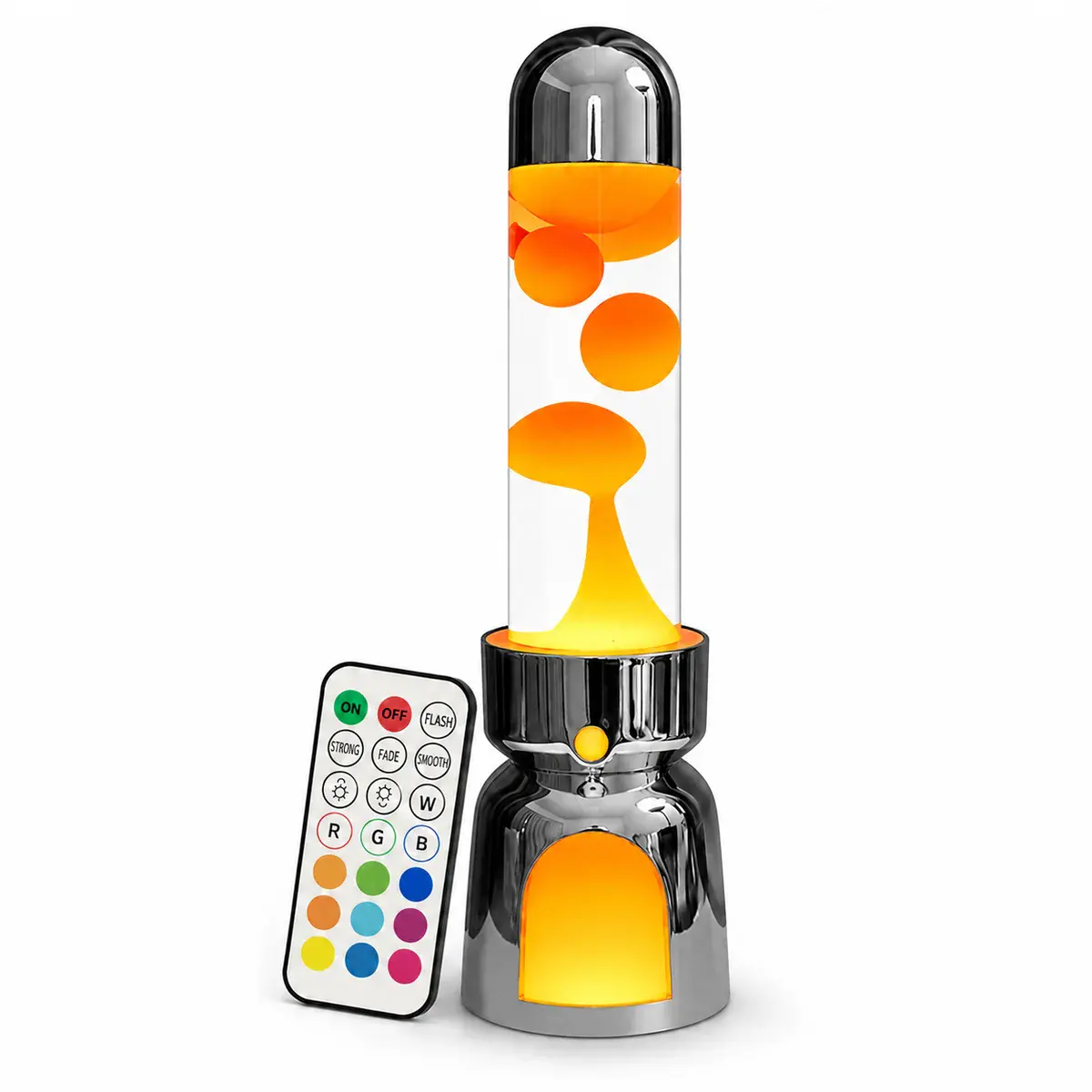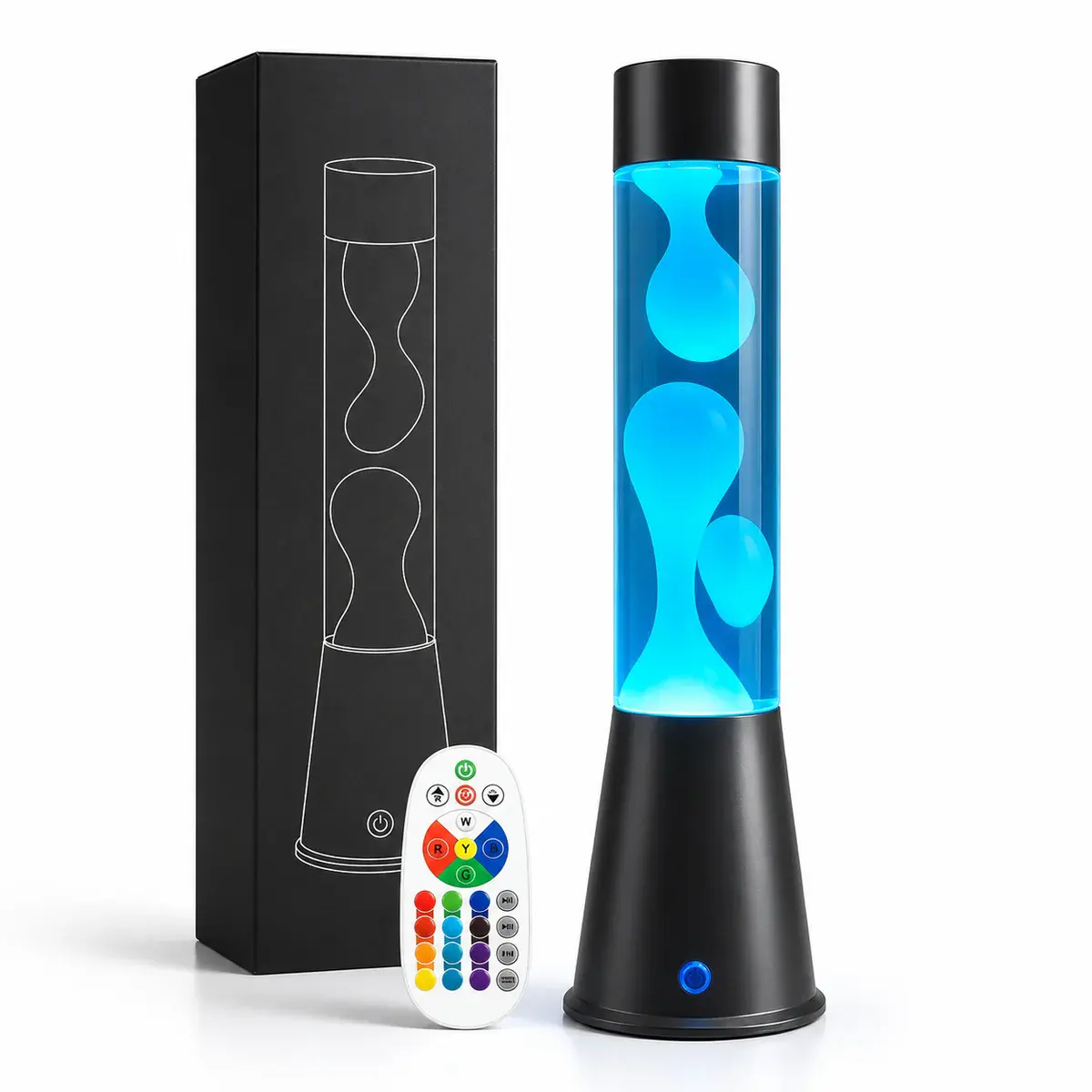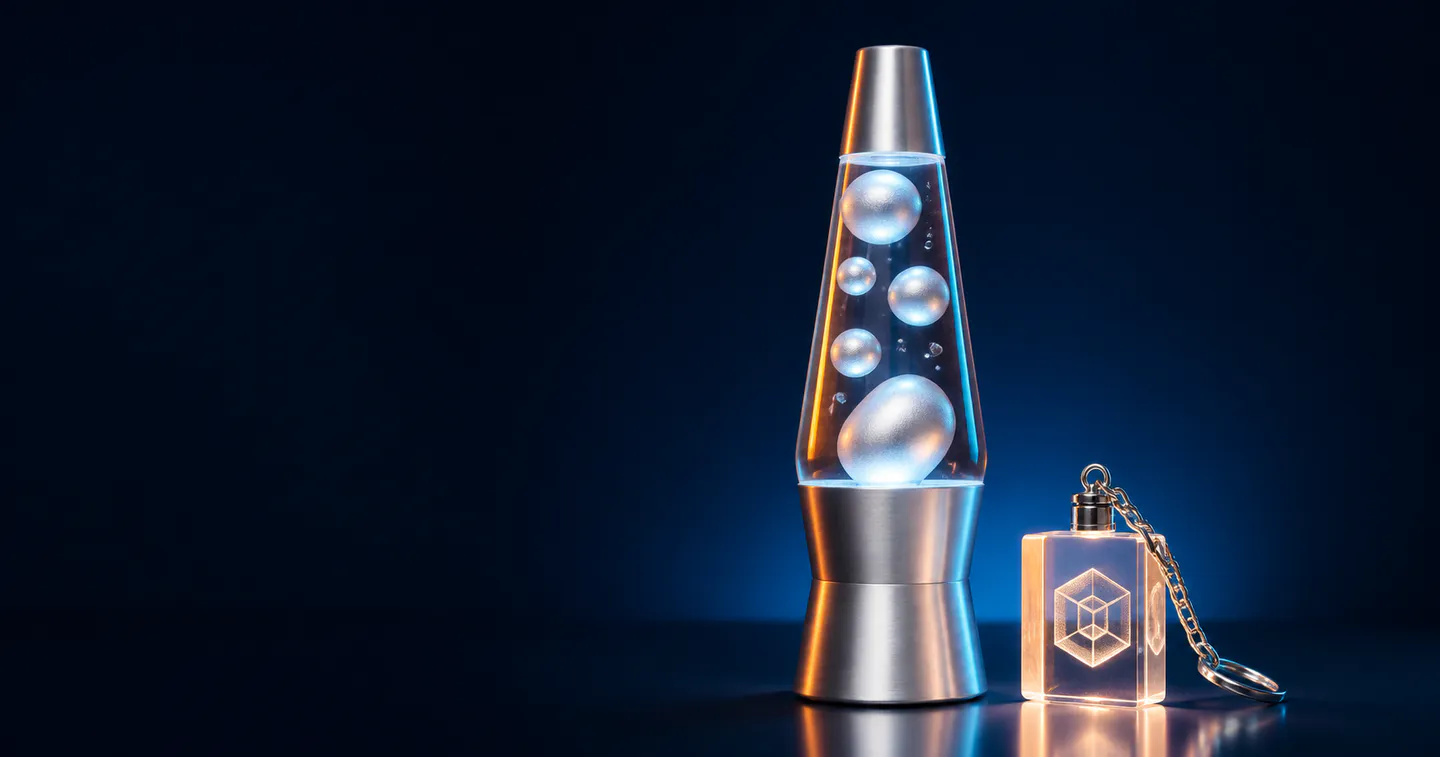
A representative route for aligning several ambient-light forms around one control language, finish palette and retail package system. Use the Decorative & Ambient Lightscollection as a starting point, then establish the exact model and requested changes before quotation.
Decisions to make before requesting a quote
| Decision | What to define |
|---|---|
| Collection language | Define shared finish palette, naming, control labels and retail position. |
| Product differences | Record each model's real light effect, power and accessories instead of copying claims. |
| Sample review | Use one cross-model checklist for light, controls, finish, cable and package. |
| Variant control | Assign stable model and package codes before artwork approval. |
The starting brief
The representative plan combines several decorative forms under one private-label identity. The goal is a coherent user and retail experience without assuming every form has identical electronics or light distribution.
The practical route
A shared control vocabulary and packaging grid are created first. Each sample is then checked for its own brightness, diffusion, switch access and power. Claims and accessories remain model-specific while typography, finish naming and unboxing sequence stay consistent.
Information to include in the brief
- Collection naming and finish palette
- Model-by-model power and mode matrix
- Shared control-label rules
- Individual sample approval records
- Stable product, box and barcode codes
Keep the approved product, artwork, power arrangement, accessories and packaging in one version-controlled brief. If a requested change affects dimensions, tooling, electronics, materials or performance, treat it as an engineering check rather than assuming it belongs to the standard model for the project example review for private-label ambient light collection.