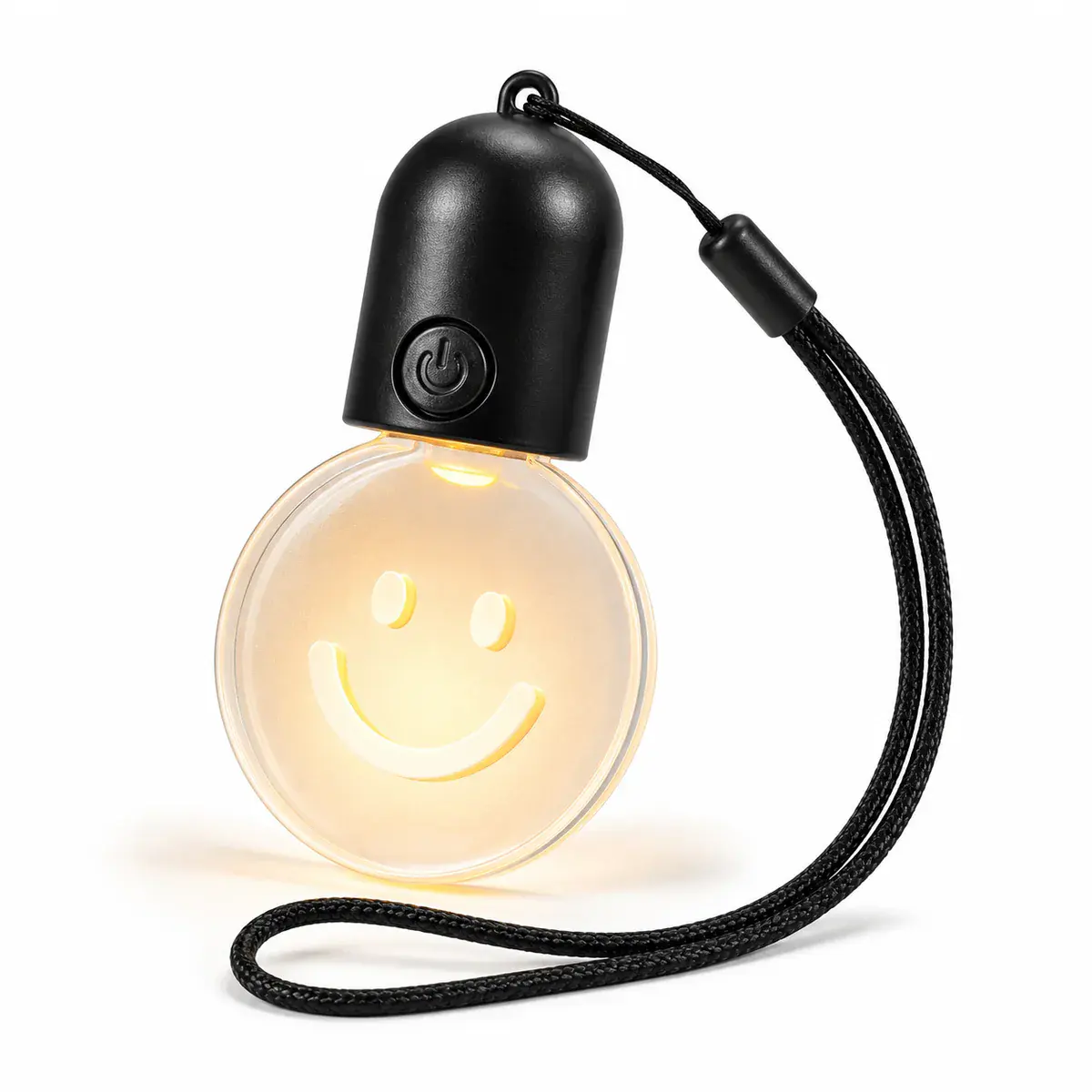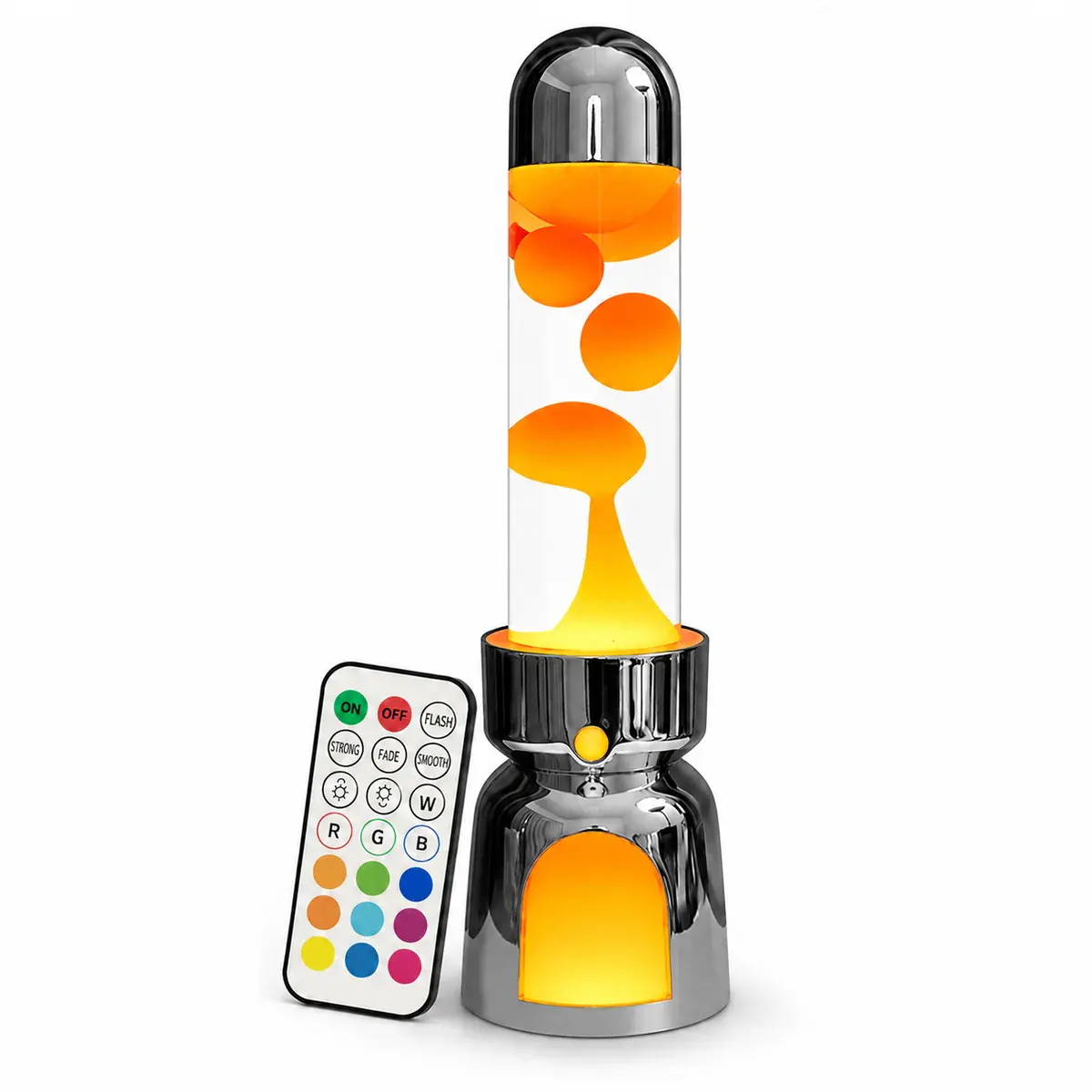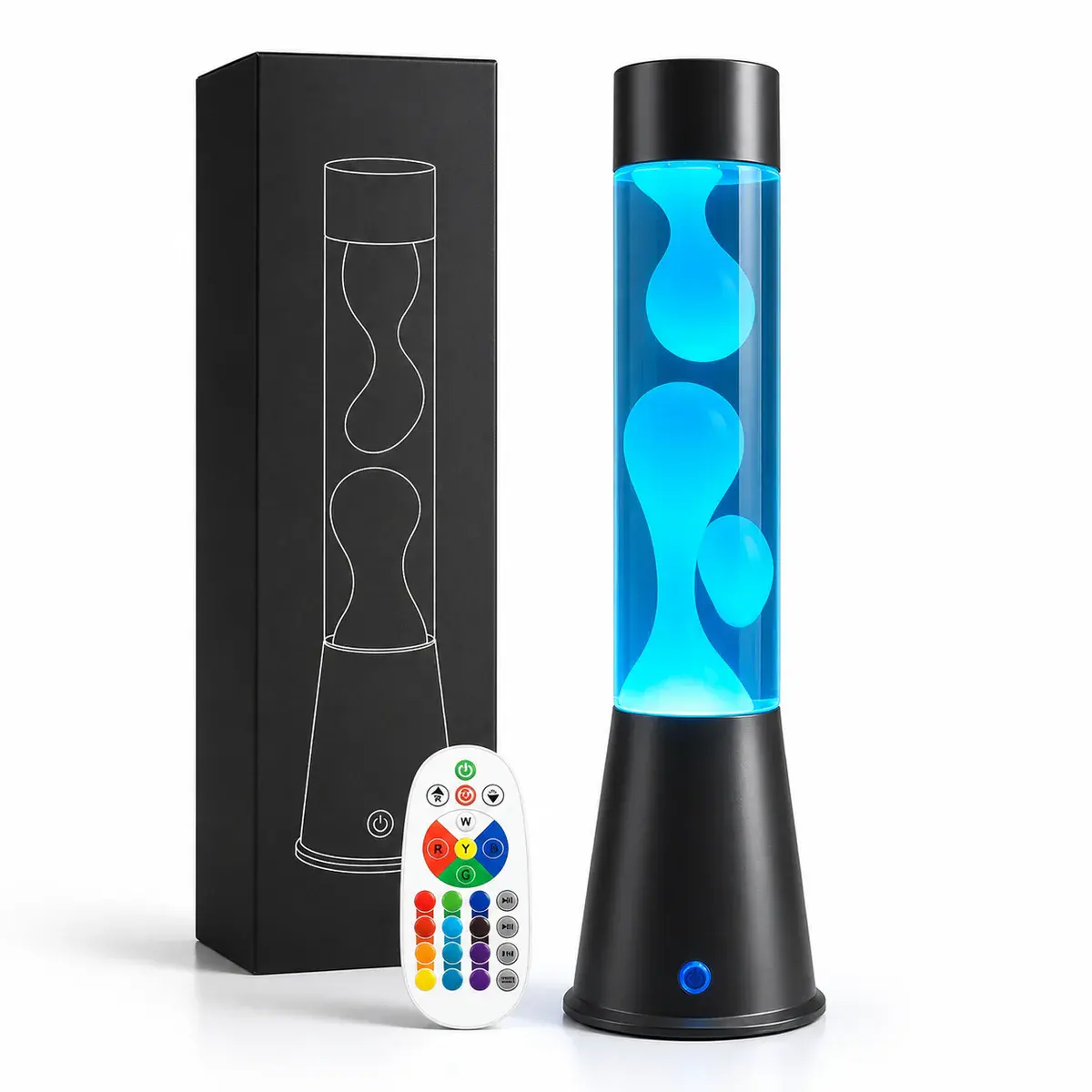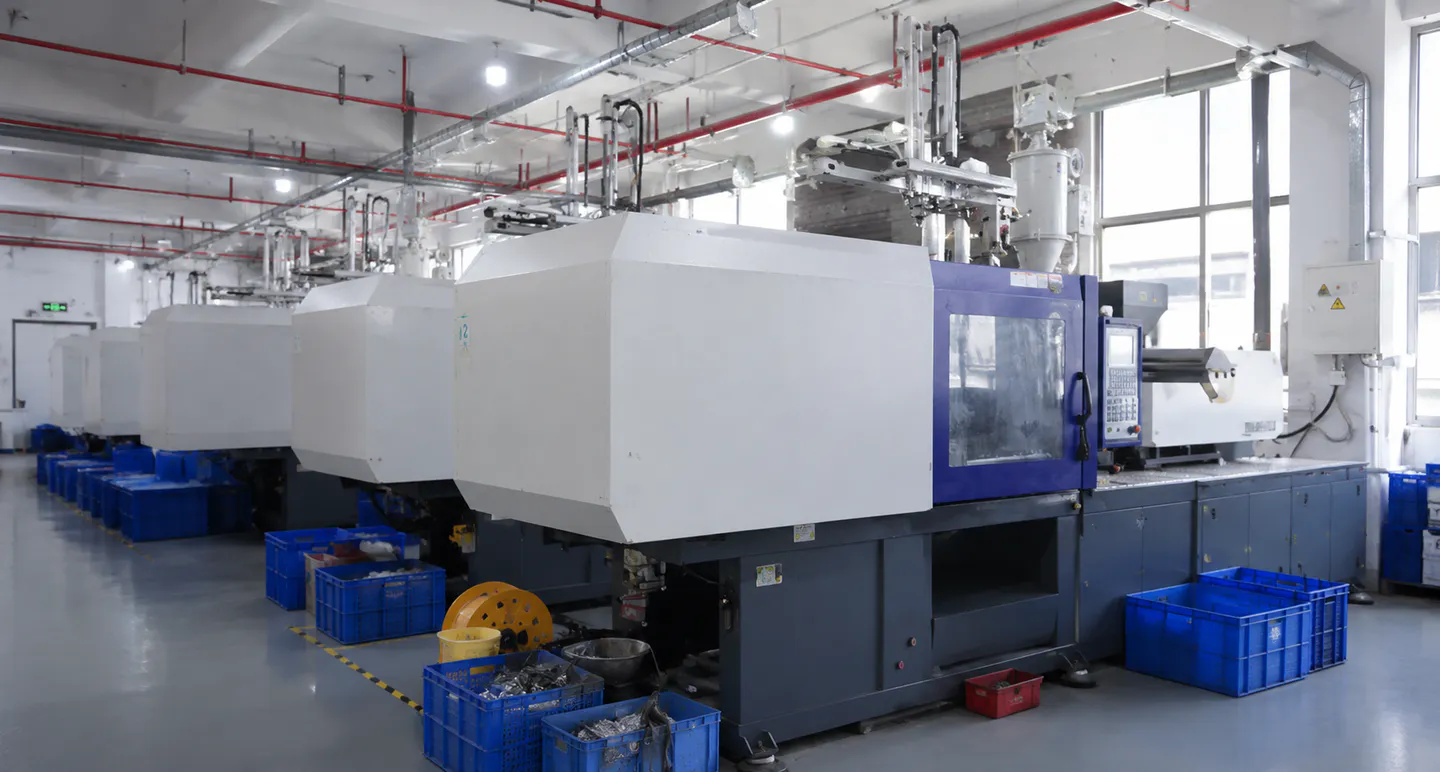
Full ODM development starts before a final product exists. The buyer brings the desired result or market opportunity; the project is then structured into decisions that can be reviewed, sampled and prepared for production.
Begin with the use case, not a finished drawing
Describe who will use the product, where it will be sold or distributed, the target market, desired visual effect, reference products, expected quantity and commercial timing. A sketch, a competitor reference or a mood board can be useful as long as it is presented as direction rather than a copy request.
Move through defined development gates
- Brief and feasibility review
- Concept, dimensions and core product decisions
- Engineering review and any required tooling assessment
- Sample review and approval of the agreed configuration
- Production planning, quality checkpoints and packing confirmation
Keep intellectual property and scope clear
The development discussion should document which files, design references and requirements come from the buyer, which elements are being proposed for review, and what still needs approval. A mutual NDA can be discussed where appropriate. The final production scope should be agreed through the project, not inferred from a concept image.
What makes a strong first brief?
Give the team an honest picture of what is fixed and what is exploratory. For example: the intended retail price position, target product size, lighting behavior, decoration requirement, preferred material direction, packaging expectation and planned market. This allows a meaningful feasibility review without forcing an early idea into a misleading standard-product quotation.