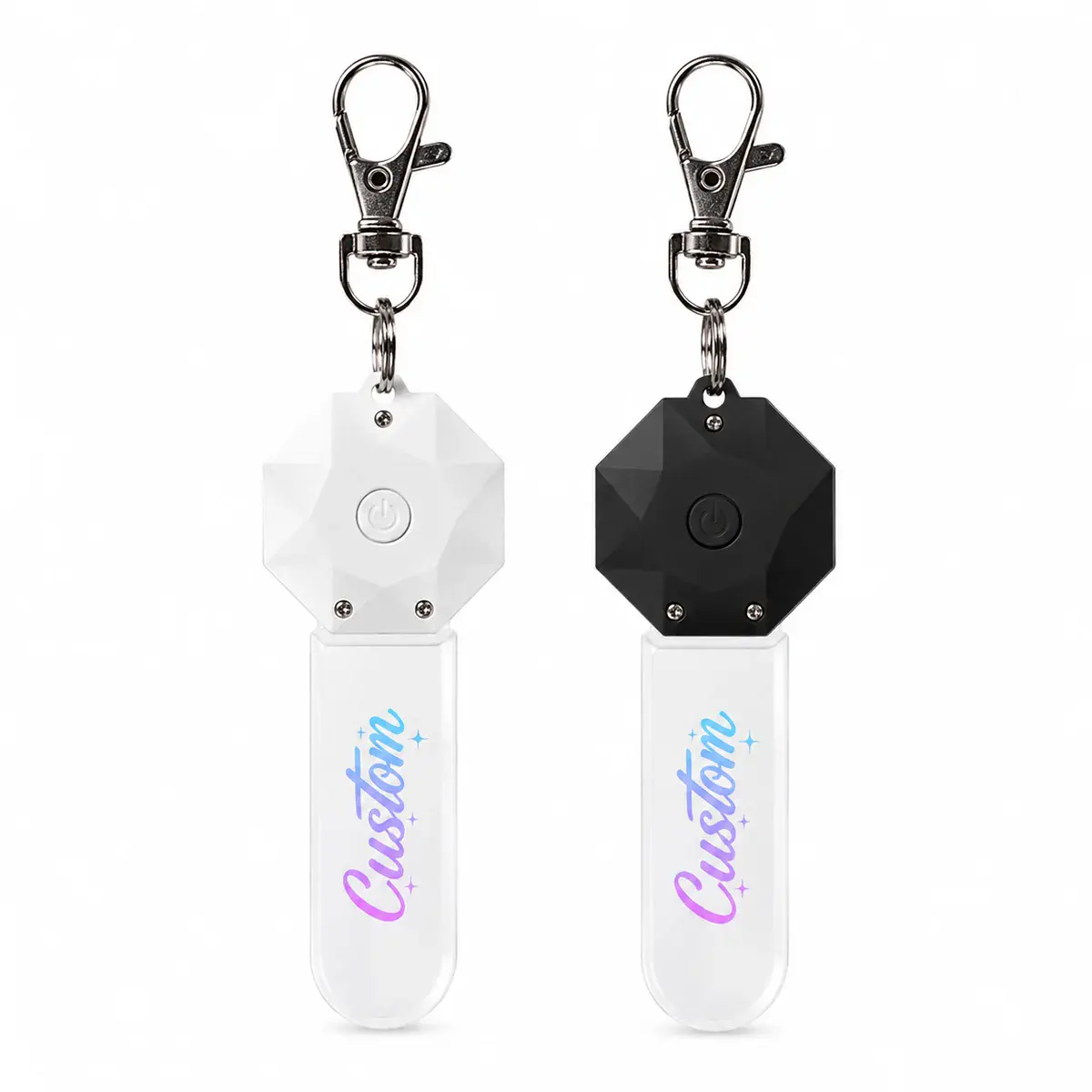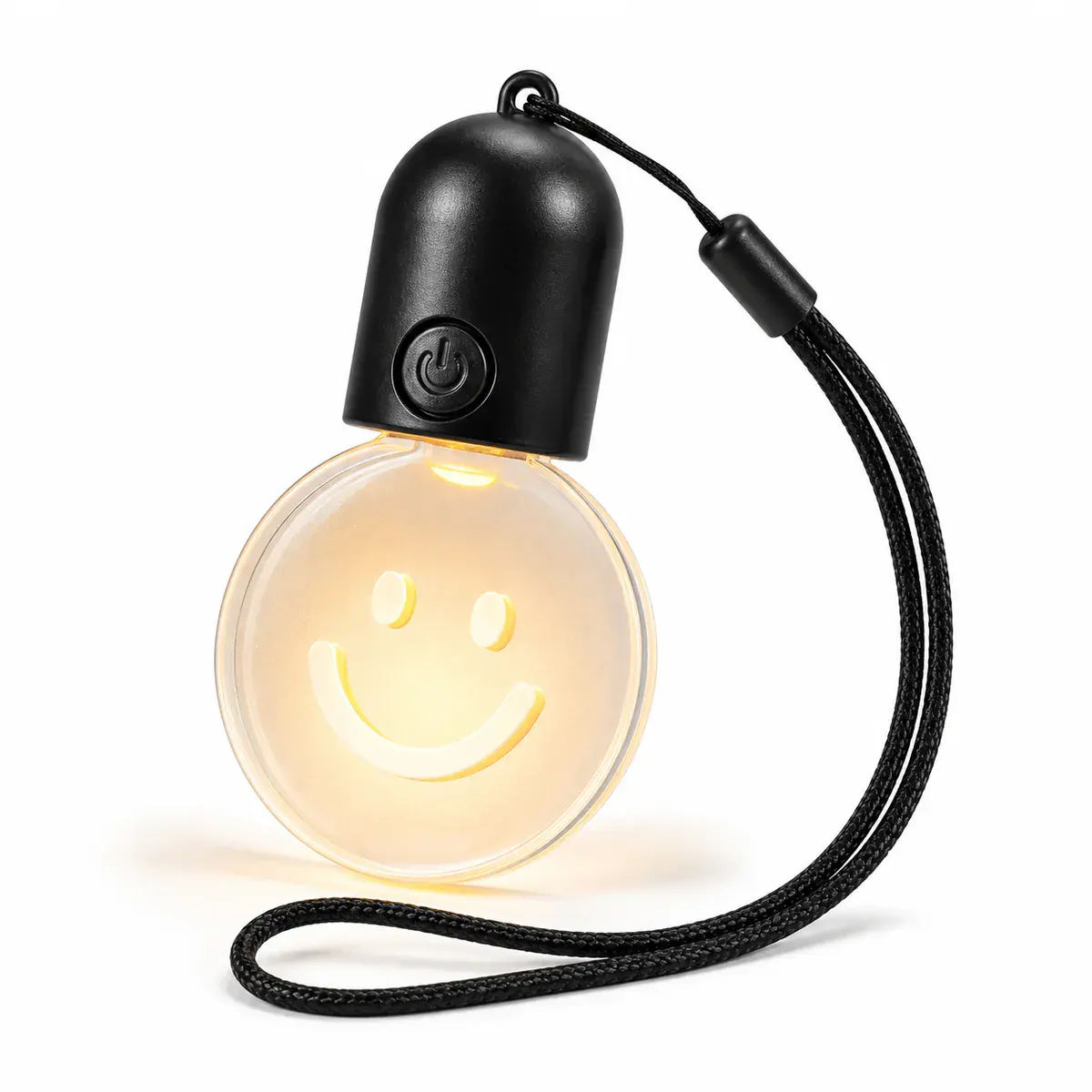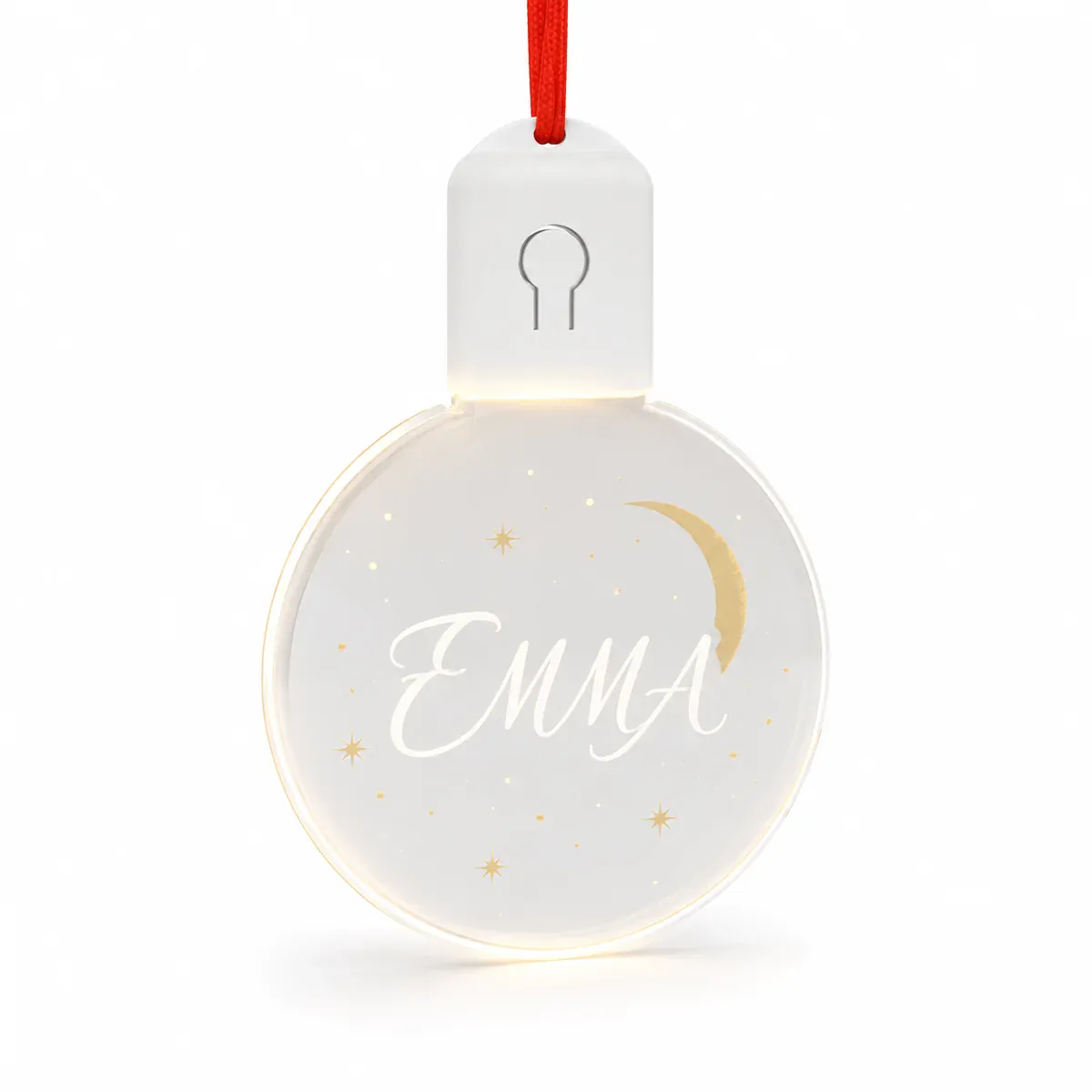
Button-cell LED badges simplify distribution when a lightweight standard unit is appropriate. Rechargeable badges make more sense when the product will be worn repeatedly and the buyer can manage charging between uses. Neither system is universally better; the event schedule and operating plan decide the fit.
Compare more than the word rechargeable
| Planning factor | Button-cell platform | Rechargeable platform |
|---|---|---|
| Published BOWEI example | BW51A plastic LED badge | BW52A metal LED event badge |
| Preparation | Check installed-cell condition and activation method | Charge and organize units before the event |
| Repeated use | Depends on cell access and replacement plan | Designed around recharge between uses |
| Housing direction | Lightweight plastic standard platform | Rigid metal standard platform |
| Published runtime | Confirm for the approved configuration | BW52A states 3+ hours after a full charge |
Build a charging or battery plan
For a rechargeable program, identify who charges the badges, when charging occurs, how units are counted and whether cables or charging instructions are packed individually or centrally. For a button-cell program, confirm whether the cell is installed, whether an activation tab is used and how the destination market handles battery labeling and disposal.
Do not copy runtime across variants
The BW52A product page publishes more than three hours after a full charge for its stated standard configuration. A new battery capacity, LED program, brightness target, larger illuminated area or different housing can change runtime and thermal behavior. The sample should be tested using the final lighting sequence rather than a visually similar prototype.
Include market and logistics in the request
Battery documentation, transport requirements, labeling and charger or cable expectations can differ by configuration and destination. State the market and shipment method before the packaging artwork is finalized. This also prevents a generic power description from being copied to a version with a different battery or electronics arrangement.
- Event duration and number of reuse cycles
- Charging window or cell-replacement plan
- Destination market and transport method
- Required light modes and brightness direction
- Whether cables, instructions or spare parts are included
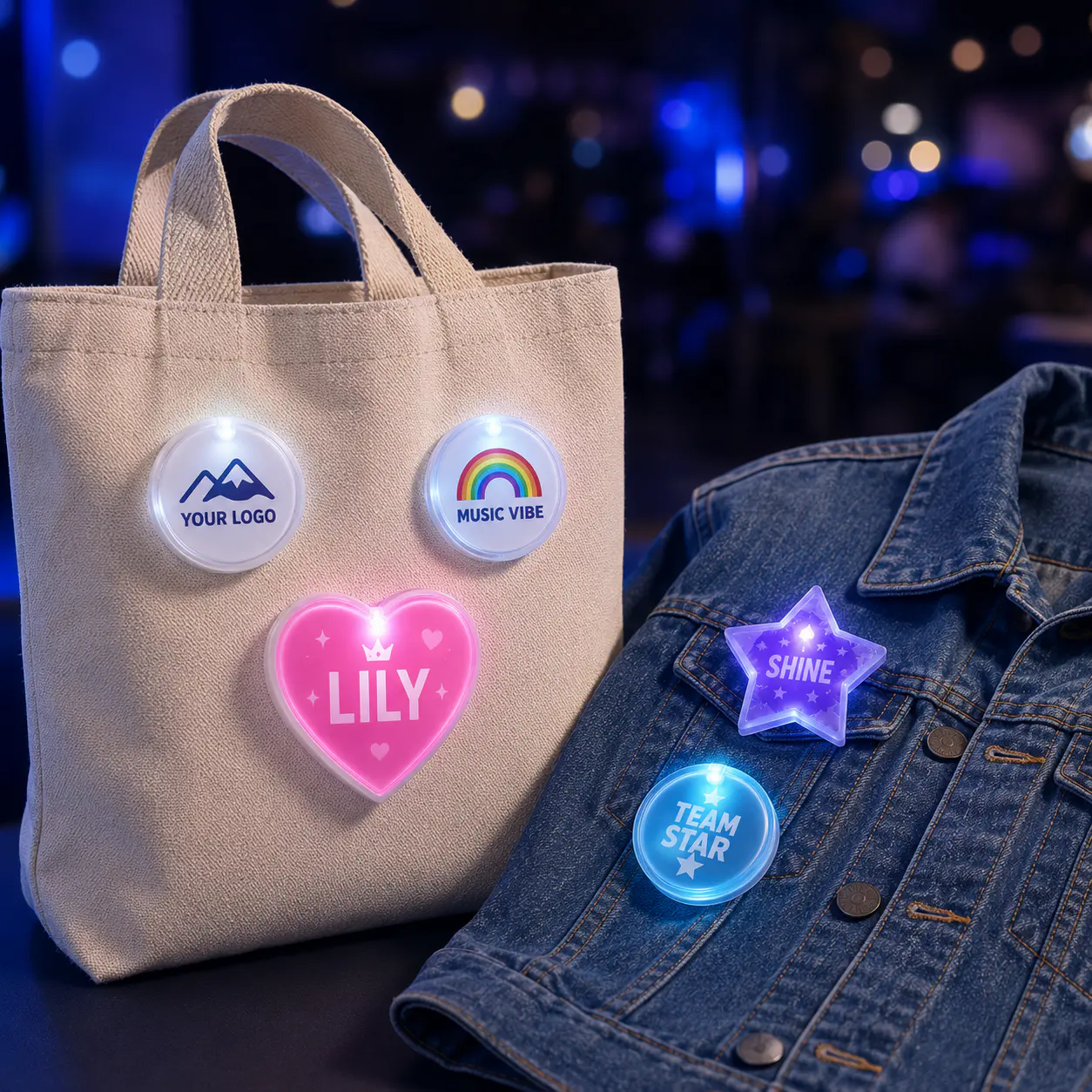 Custom Shape LED Light-Up Badge
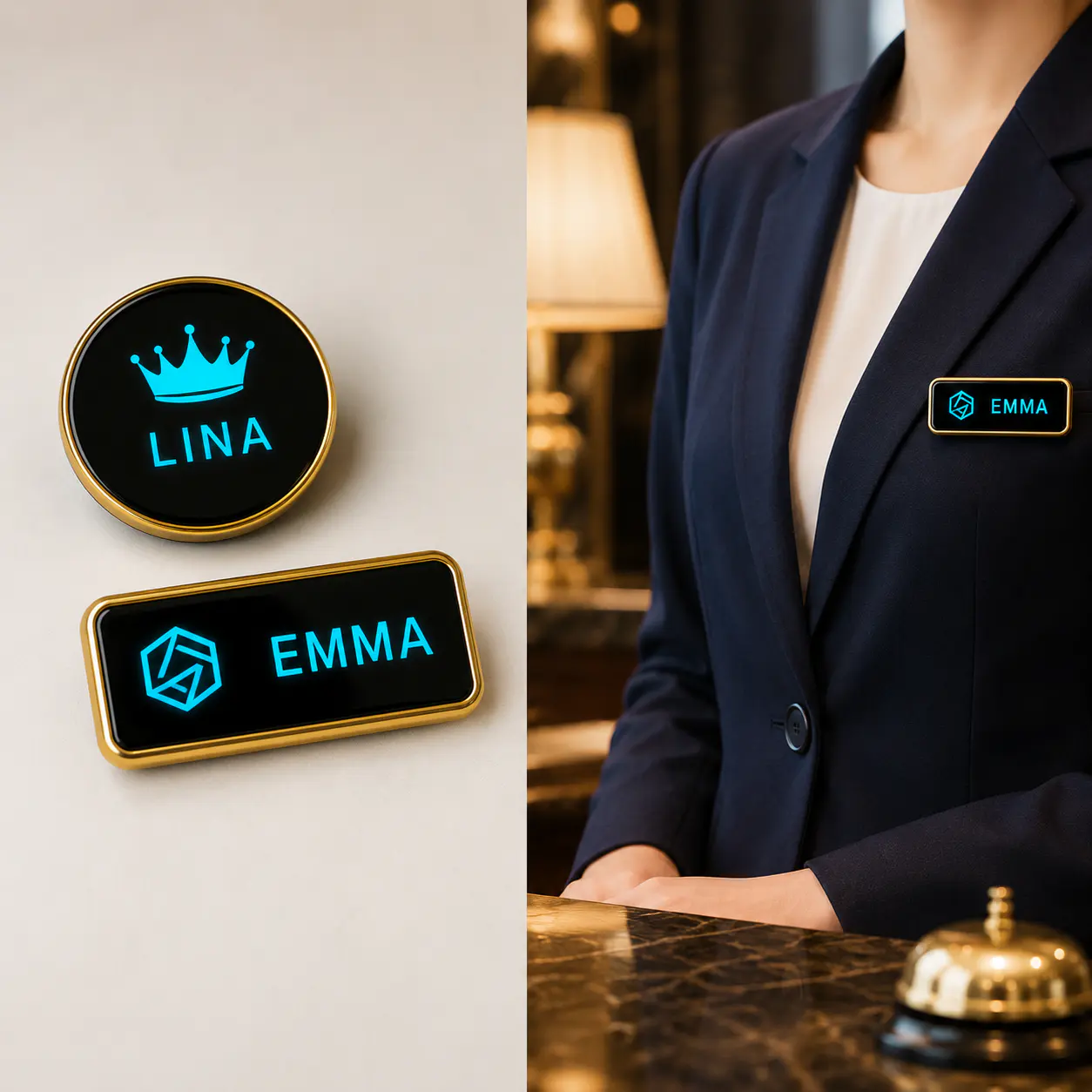 Rechargeable Metal LED Event Badge
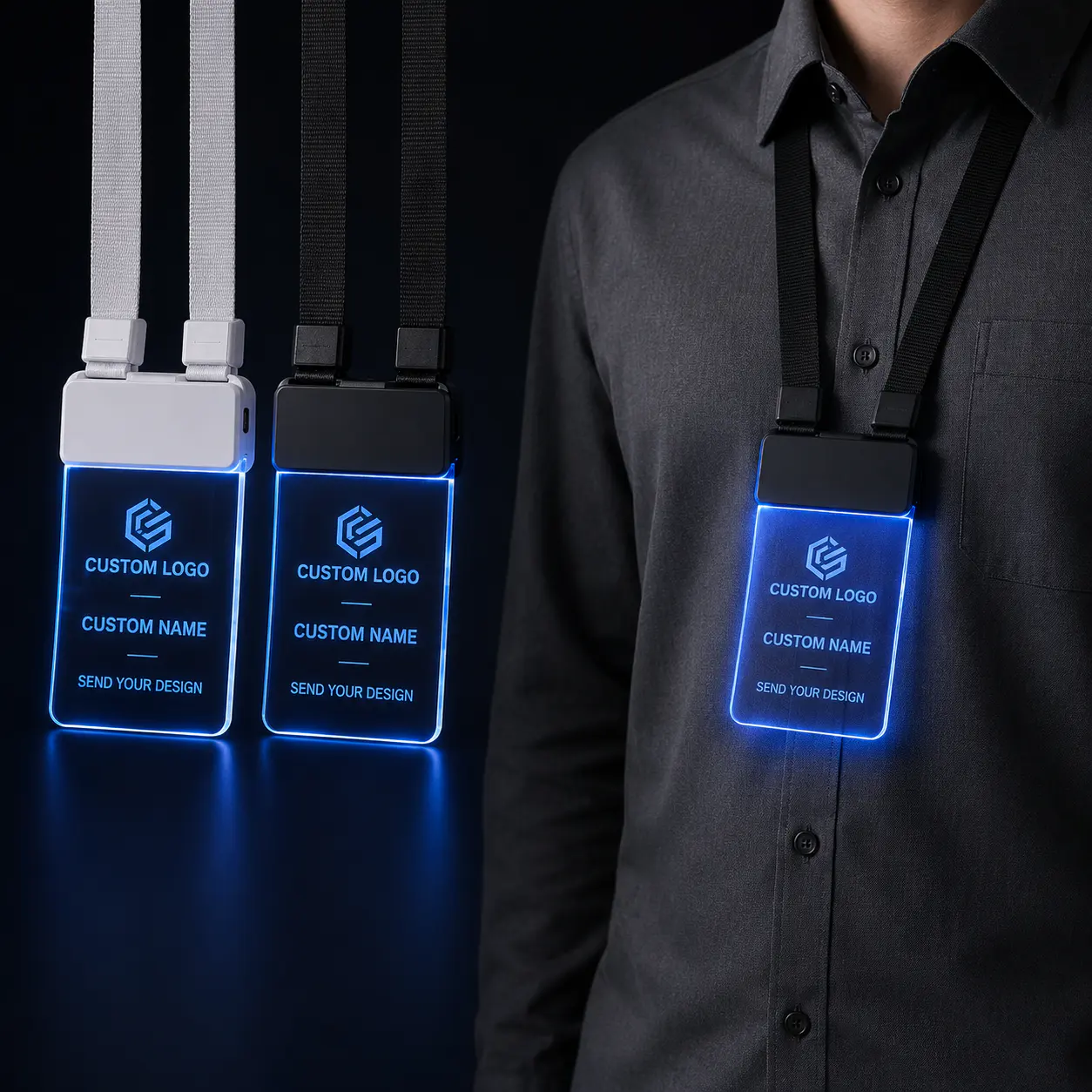 USB 7-Color Acrylic Name Badge