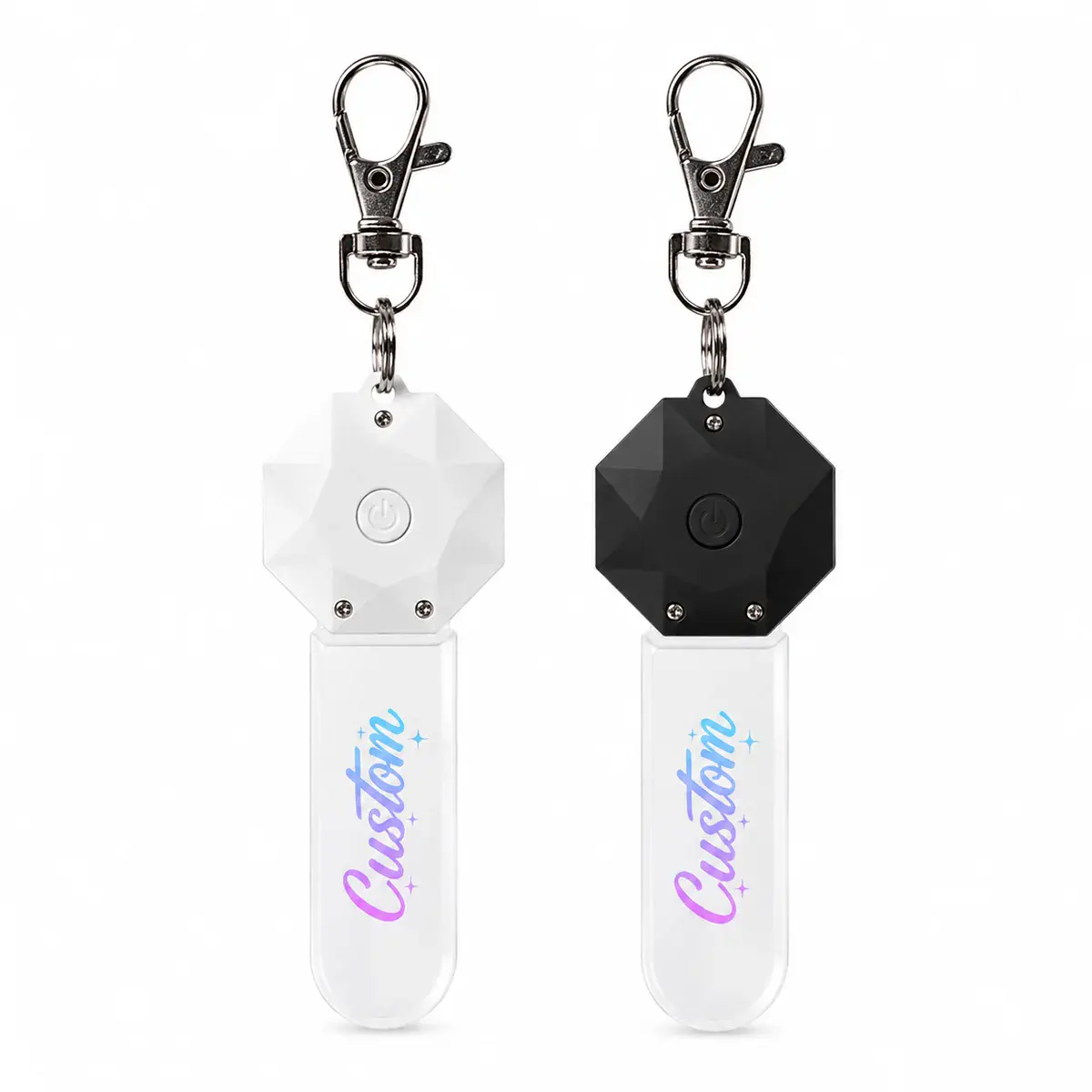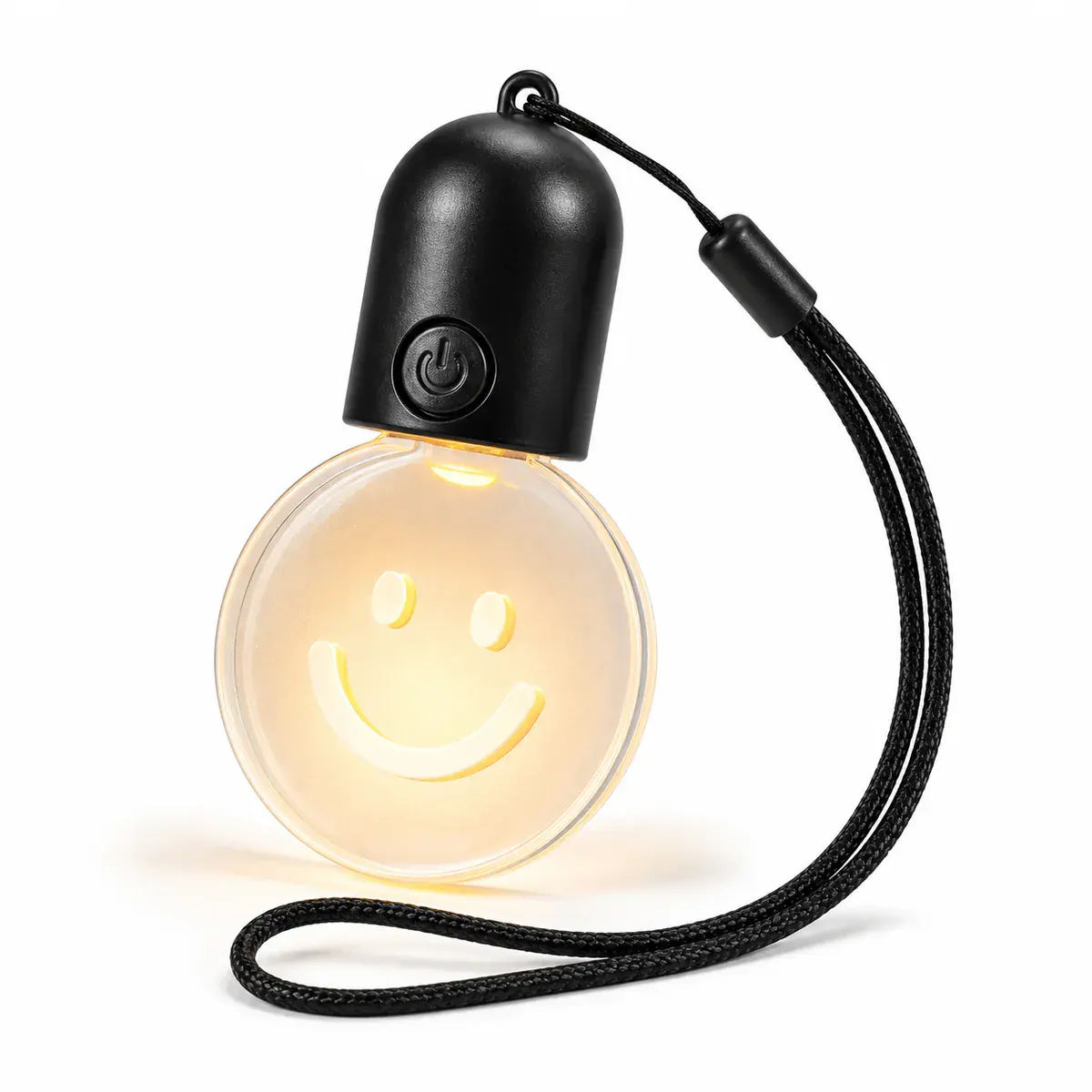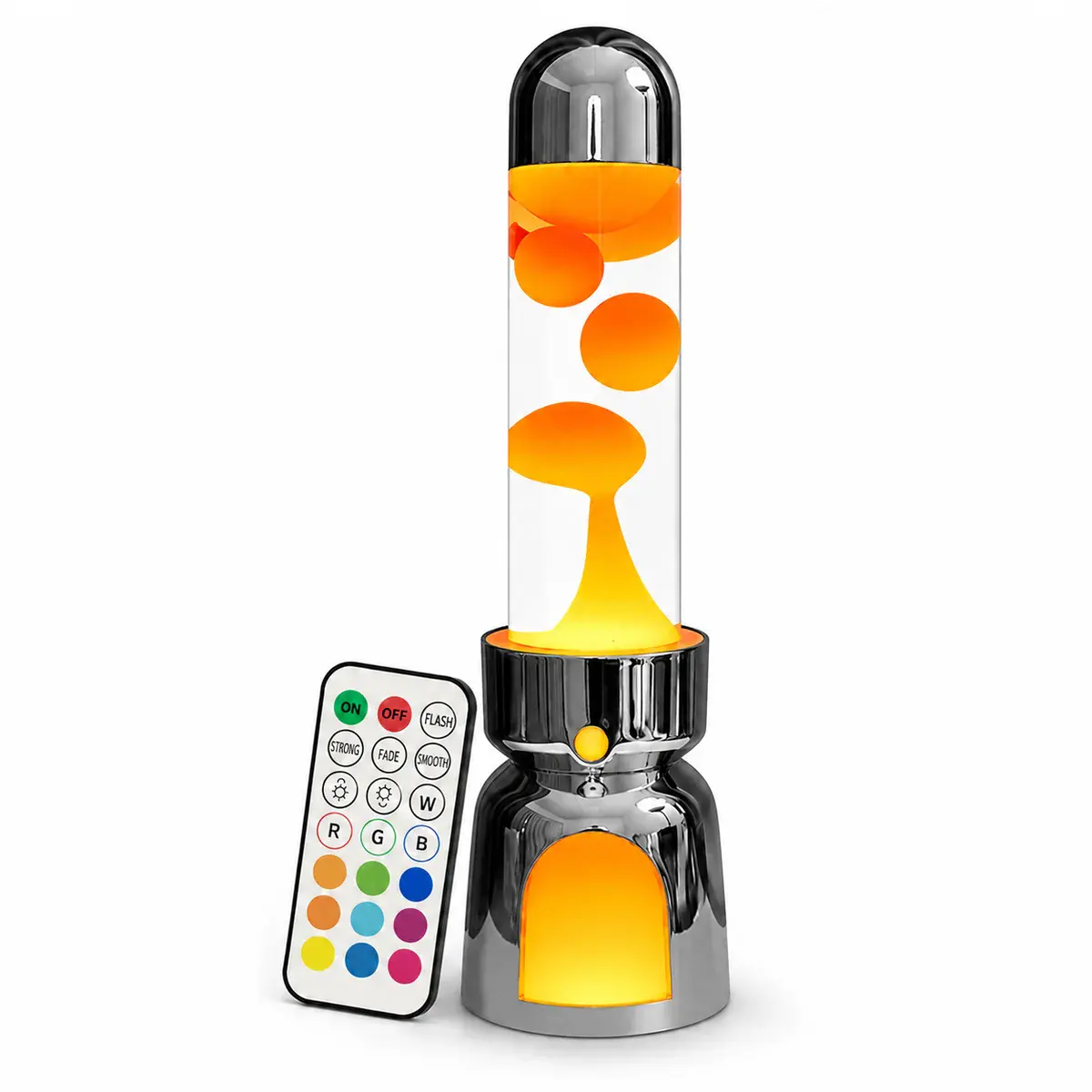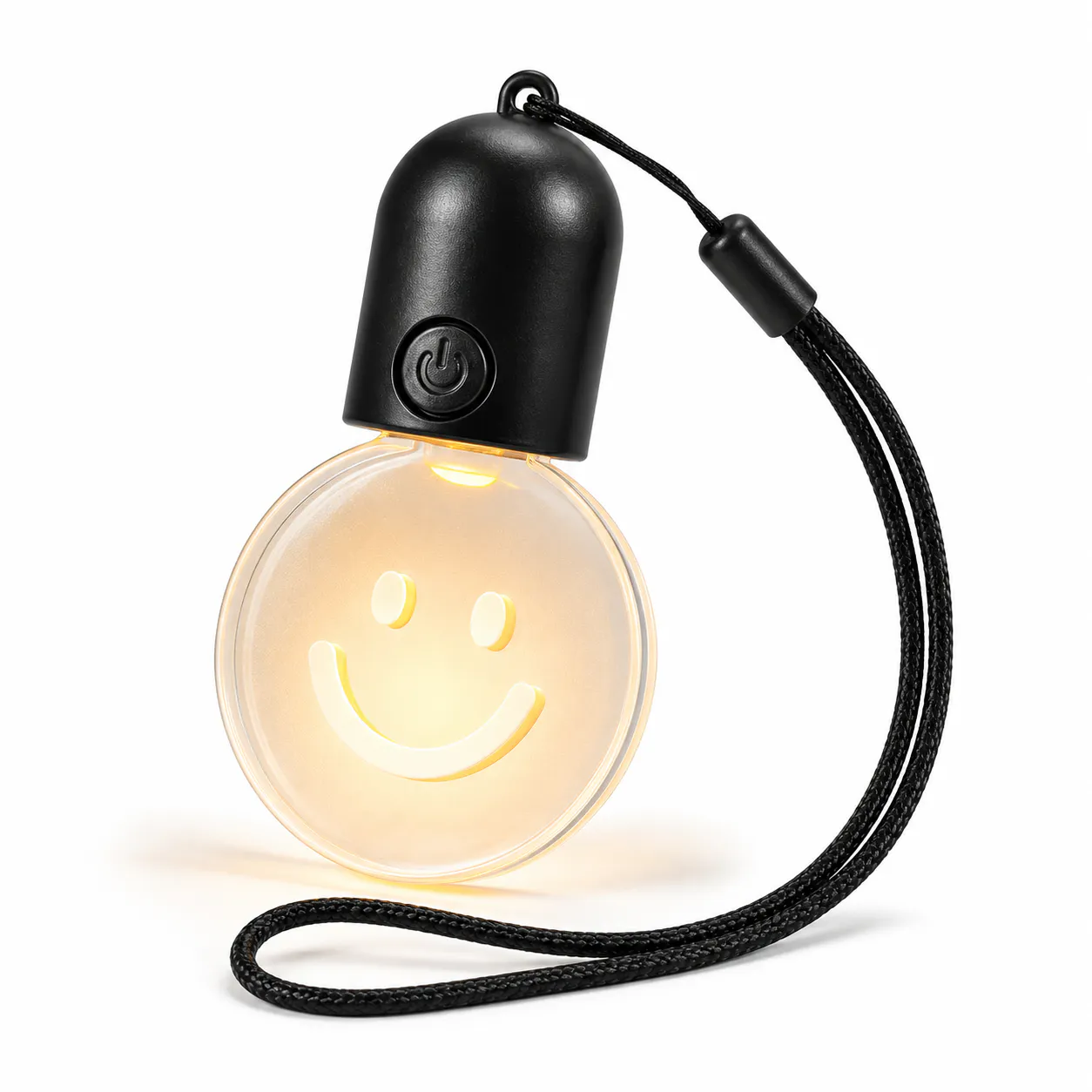
Compare rechargeable and dual-power keychains by user routine, size, accessories, campaign timing and support. Start with the Light-Up Keychainscollection, then connect the chosen platform to a controlled artwork, packaging and approval brief within the rechargeable vs dual-power light-up keychains decision path.
Decisions to make before requesting a quote
| Decision | What the buyer should define |
|---|---|
| Use pattern | Estimate one-time campaign use versus repeated ownership. |
| Charging | Define connector, cable and charge-status communication. |
| Size | Compare battery and electronics impact on housing. |
| Support | Plan instructions, storage and replacement expectations. |
Power choice changes the ownership experience
A rechargeable product needs a charging routine, while a dual-power format can add components and explanation. Match complexity to the user and distribution moment.
State included accessories clearly
Do not let customers assume a cable, battery or adapter is included. The product page, quotation and pack list should agree.
How to compare supplier responses — rechargeable vs dual-power light-up keychains planning
Compare quotations against the same product model, artwork version, included accessories, packing level and destination requirements. A lower unit price is not comparable when one quote omits the approved control method, protective insert, printed materials or individual packing within rechargeable vs dual-power light-up keychains planning. Ask every supplier to separate standard-platform items from changes that require engineering check.
Request proof at the level appropriate to the order: a dimensional drawing for fit, an artwork proof for position and spelling, a working sample for light and control behavior, and a packed sample when presentation or shipping protection matters. Record exceptions in the brief instead of relying on chat history for the rechargeable vs dual-power light-up keychains review.
Sampling and approval sequence — rechargeable vs dual-power light-up keychains decision path
Approve the standard product platform first. Next approve the visible treatment—shape, artwork, color and finish—before confirming packaging for the rechargeable vs dual-power light-up keychains decision path. For personalized or multi-variant orders, approve one master layout and maintain a numbered schedule that connects each file to its quantity and packing identity for the rechargeable vs dual-power light-up keychains review.
Changes to dimensions, tooling, electronics, materials or performance should follow the appropriate within the rechargeable vs dual-power light-up keychains workflowcustom development solution within the rechargeable vs dual-power light-up keychains review. Keeping Private Label, OEM / Build-to-Print and Full ODM Development routes separate makes cost, responsibility and lead-time discussions clearer within the rechargeable vs dual-power light-up keychains decision path.
Information to include in the RFQ
- Expected use frequency
- Required runtime and light modes
- Charging or battery configuration
- Included accessory list
- Instruction and support plan
Keep the approved model, artwork, power arrangement, accessories, labels and packaging in one version-controlled file. State quantity by version, destination market and required arrival date for the rechargeable vs dual-power light-up keychains decision path. This gives the factory enough information to establish feasibility without changing the original product record or making unsupported assumptions within the rechargeable vs dual-power light-up keychains workflow.
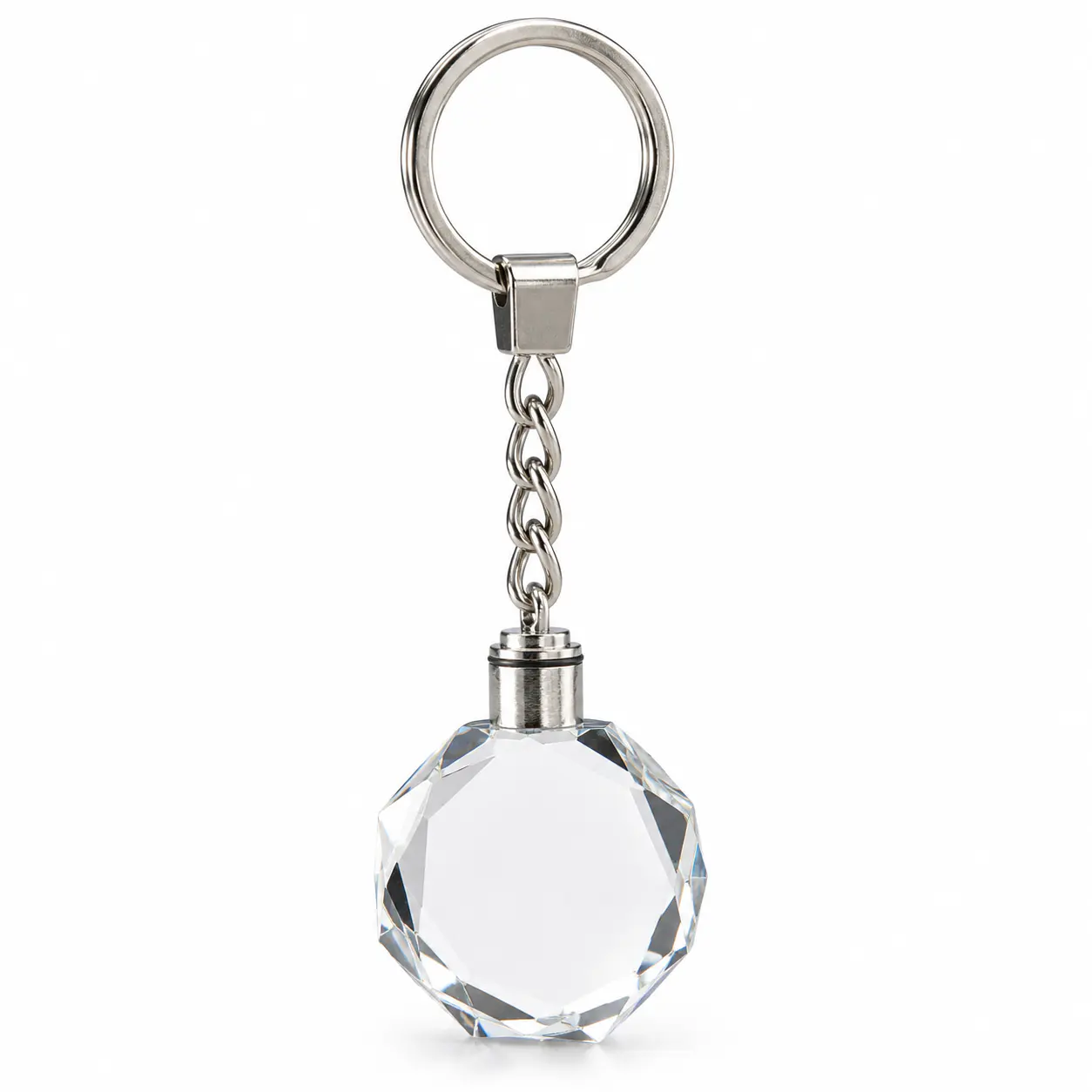 RGB Crystal Photo Keychain
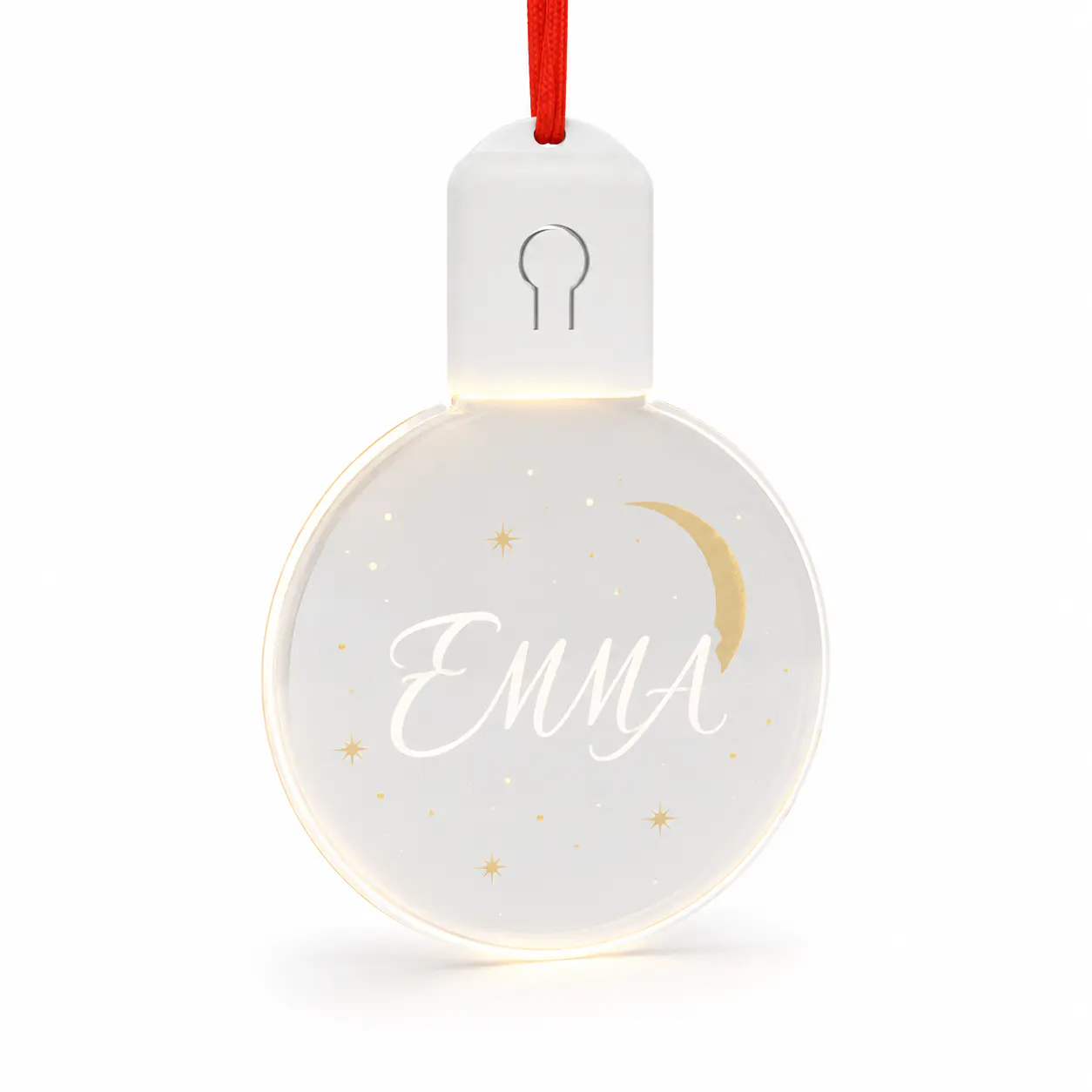 Dual-Power Acrylic Light-Up Keychain