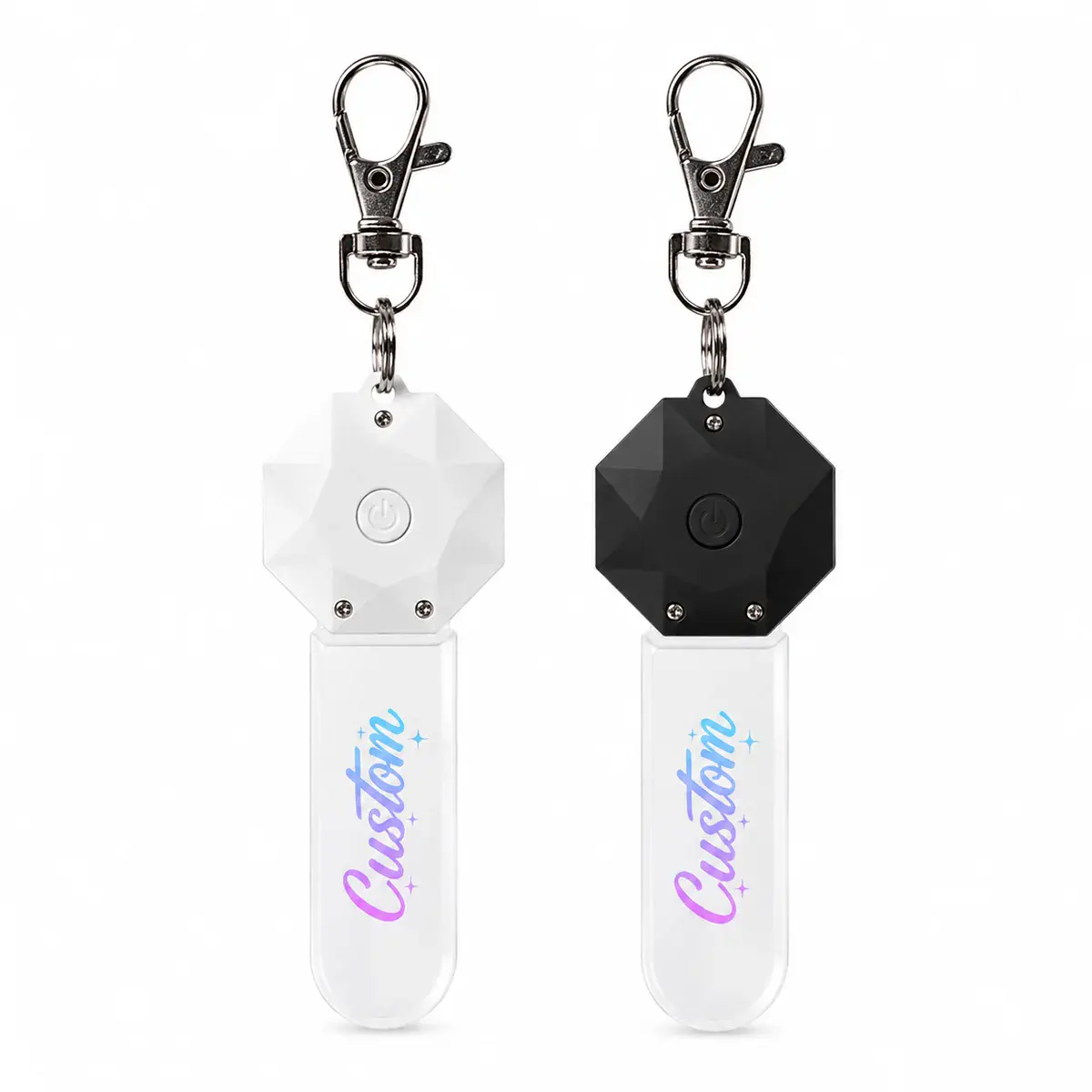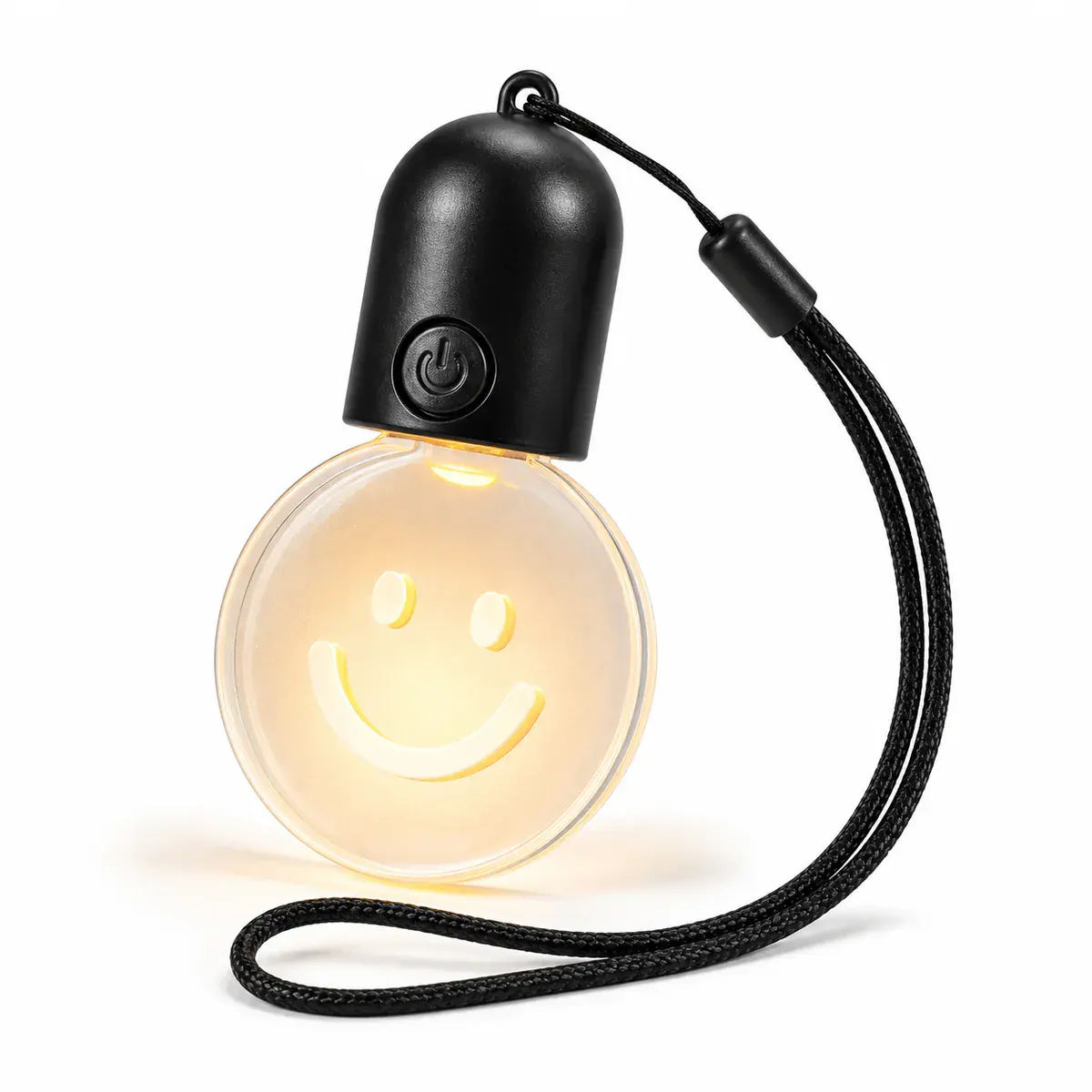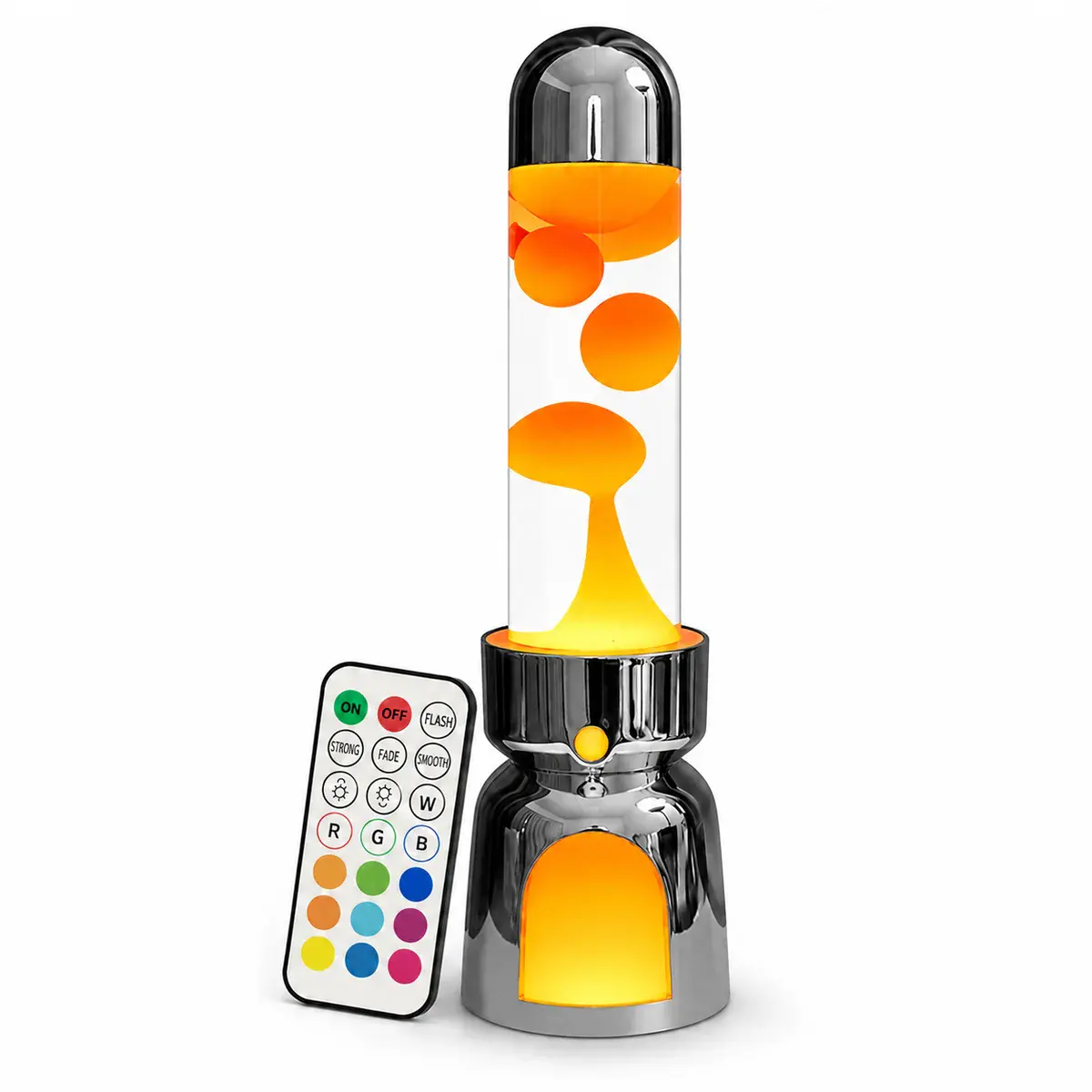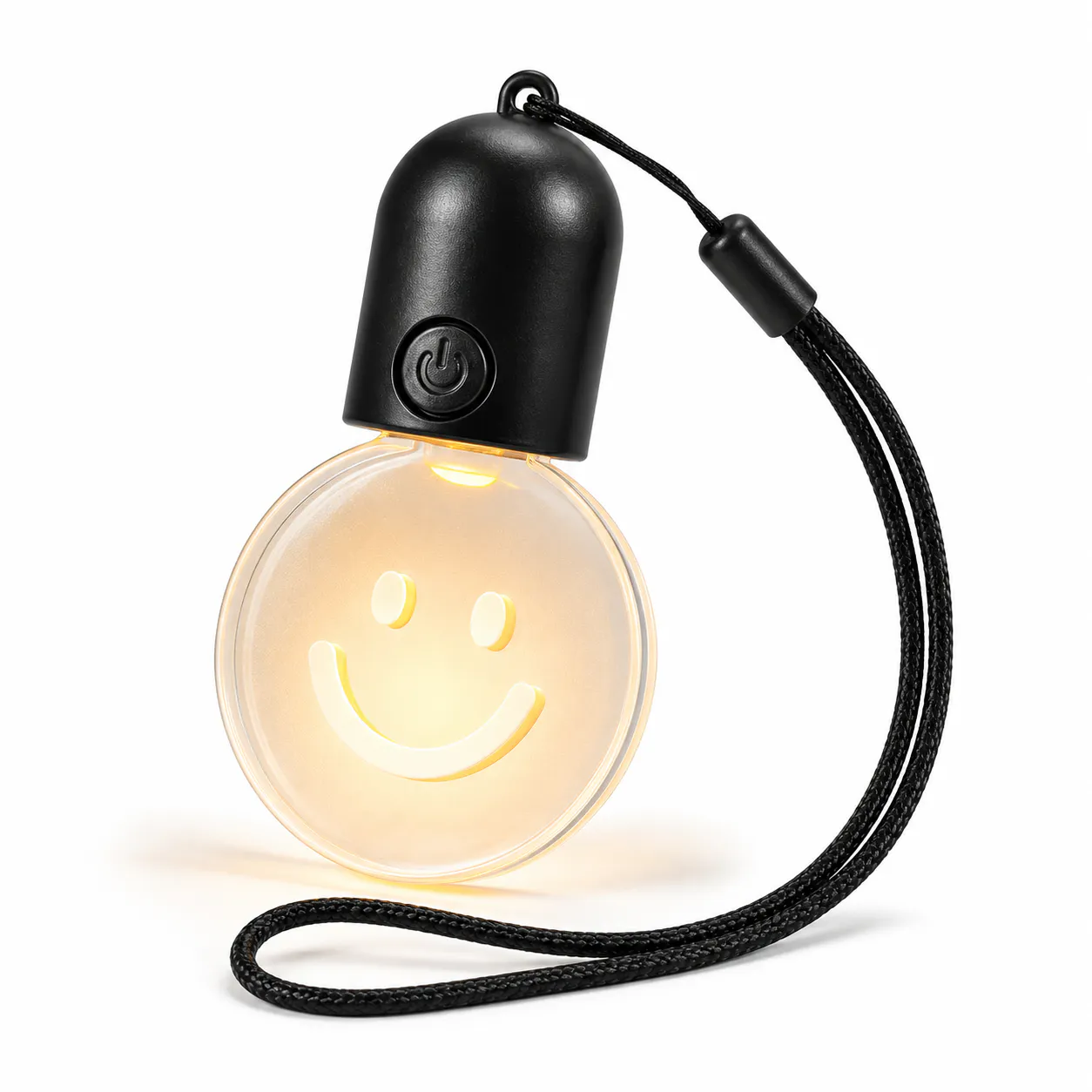
Compare acrylic-insert and molded-plastic light-up keychains by artwork freedom, housing, durability, tooling and project route. Use the Light-Up Keychainscollection as a starting point, then establish the exact model and requested changes before quotation.
Decisions to make before requesting a quote
| Decision | What to define |
|---|---|
| Design driver | Decide whether artwork or three-dimensional housing form creates the main value. |
| Development route | A new acrylic panel may fit an existing platform; a new molded housing may require tooling. |
| Surface behavior | Review scratching, print protection, finish and repeated pocket or bag contact. |
| Internal space | Confirm battery, switch, LED and attachment requirements before fixing dimensions. |
Acrylic is flexible, but not structure-free
A custom acrylic insert can change graphic shape quickly, yet it still needs safe edges, enough material around attachment points and a compatible housing or light source.
A molded body can integrate more decisions
A housing can control component placement, grip, finish and attachment, but new geometry introduces engineering, tooling and validation work. It should be chosen for a real functional reason rather than only to make the project sound more custom.
Information to include in the brief
- Target shape and dimensions
- Artwork-led or housing-led design priority
- Expected handling and surface finish
- Power, switch and attachment layout
- Tooling budget and development timing
Keep the approved product, artwork, power arrangement, accessories and packaging in one version-controlled brief. If a requested change affects dimensions, tooling, electronics, materials or performance, treat it as an engineering review rather than assuming it belongs to the standard model within the acrylic vs molded-plastic light-up keychains workflow.