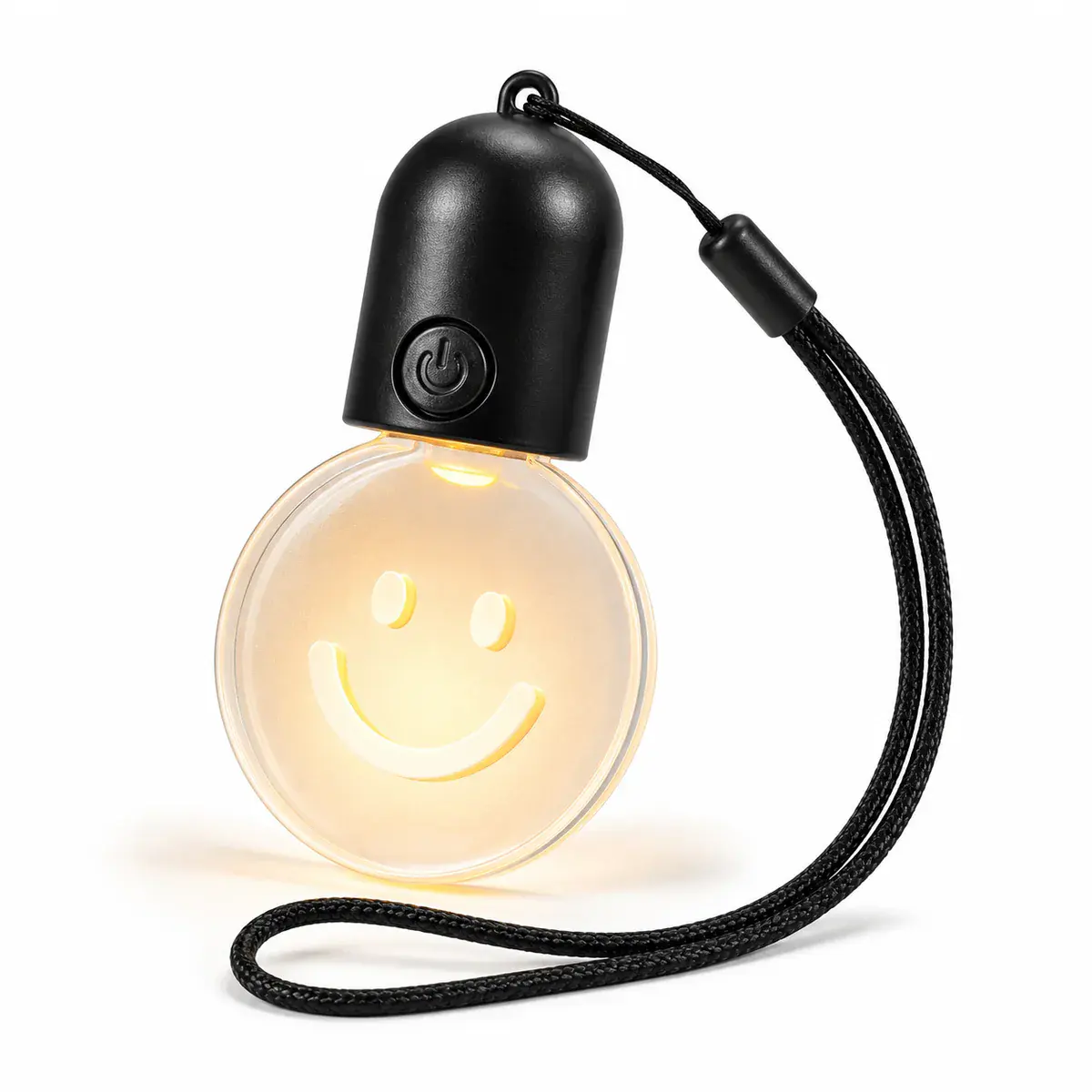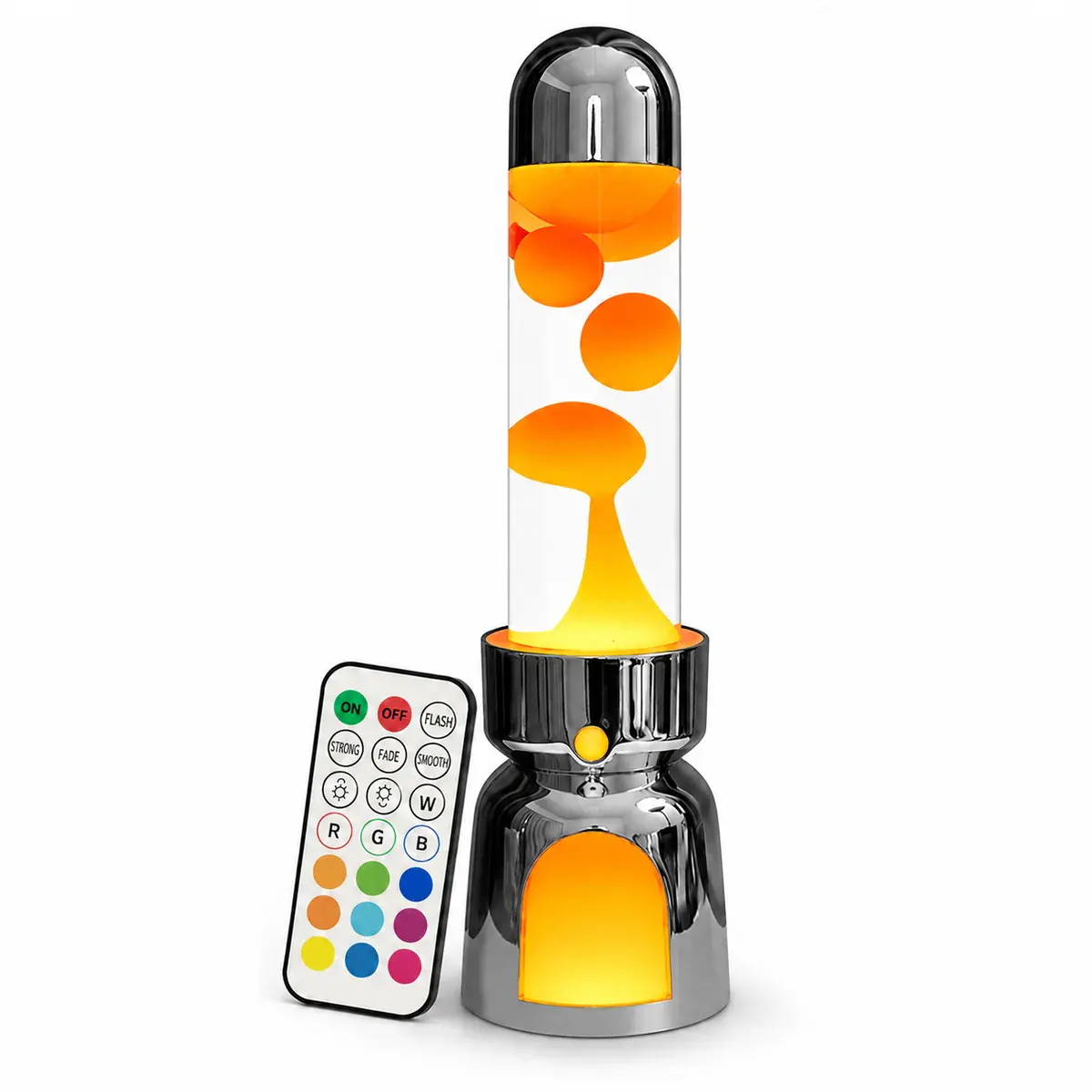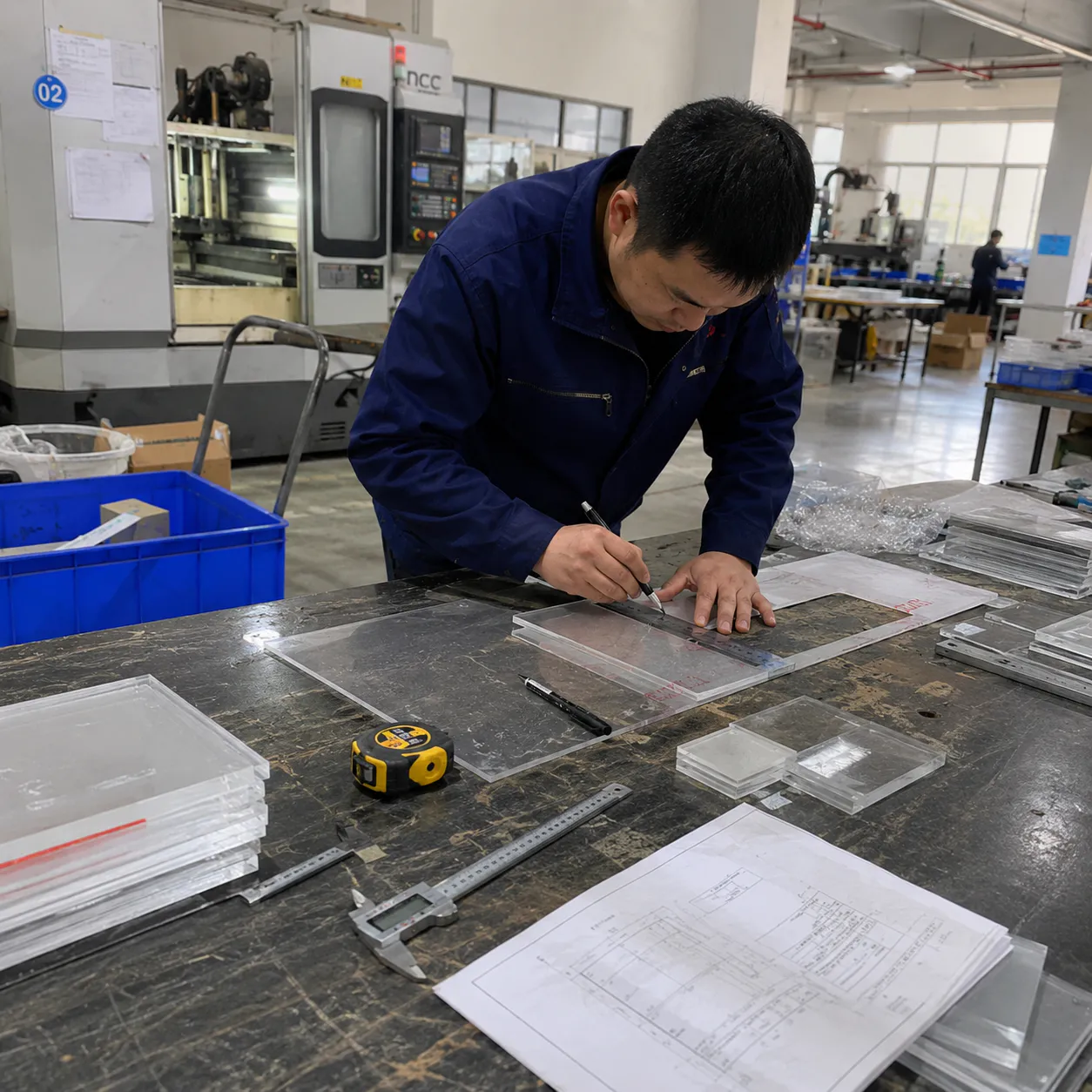
OEM build-to-print means manufacturing from a customer-provided design. A complete input package gives the project team a clearer basis to review manufacturability, sampling and commercial planning.
What makes a build-to-print brief usable?
Provide the latest drawing or specification, revision status, material expectation, target dimensions, functional requirement and finish direction. If you have an approved sample, include clear photographs and note what is approved, provisional or still under review.
Useful OEM inputs
- 2D or 3D drawings, CAD files, BOM or written specification
- Target product use, destination market and any defined test requirement
- Approved artwork and packaging files where applicable
- Quantity forecast, sample target and delivery expectation
- Known critical dimensions, color standards or appearance requirements
Keep design ownership and manufacturing scope clear
In an OEM build-to-print project, the buyer supplies the design direction and manufacturing is assessed against that input. If a drawing is incomplete or a product needs new concept work, the team should first determine whether the project has moved into a development route. This avoids presenting an early concept as a finished manufacturing package.
Use a review gate before mass production
Sampling is the point to verify the agreed product configuration, artwork, finish and packaging direction before a larger production commitment. The exact approval process should be documented within the project rather than inferred from a general guide.