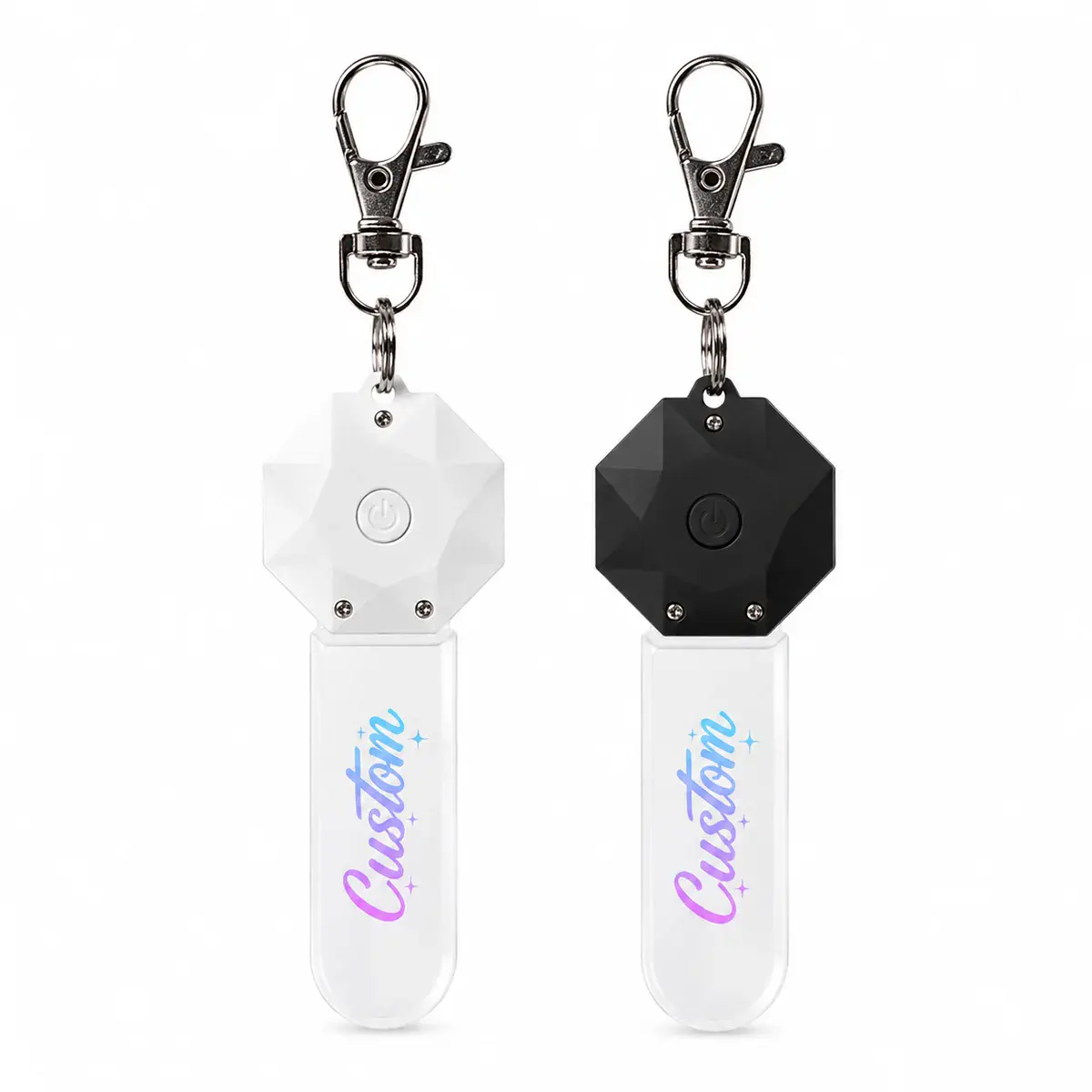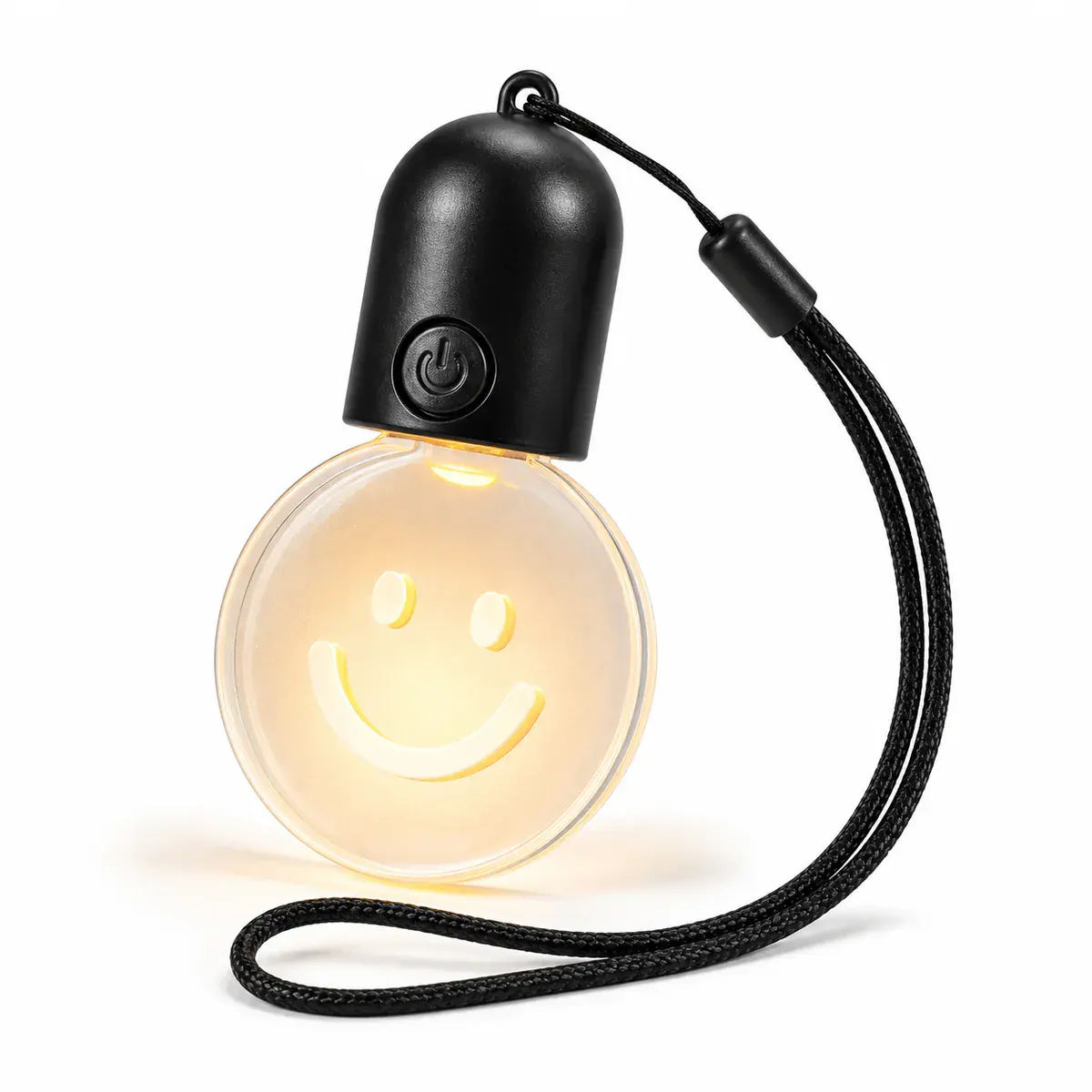
Review split ring, chain, clasp, housing connection, accidental activation and basic handling tests for an illuminated keychain. Start with the Light-Up Keychainscollection, then connect the chosen platform to a controlled artwork, packaging and approval brief within the light-up keychain attachment and drop-test guide review.
Decisions to make before requesting a quote
| Decision | What the buyer should define |
|---|---|
| Attachment | Specify ring, clasp, chain and finish with connection dimensions. |
| Joint | Inspect the link between attachment and product body. |
| Handling | Agree representative pull, swing and drop checks. |
| Activation | Check whether pockets or bags can trigger the switch unintentionally. |
The weakest point may be a small connector
A strong main body can still fail at a jump ring, eyelet or molded connection. Inspect the entire load path rather than naming only the visible attachment.
Define tests before interpreting results
Test height, surface, orientation, quantity and acceptance criteria should be written in the project brief. Avoid implying a universal durability claim from an informal demonstration.
How to compare supplier responses — light-up keychain attachment and drop-test guide decision path
Compare quotations against the same product model, artwork version, included accessories, packing level and destination requirements. A lower unit price is not comparable when one quote omits the released control method, protective insert, printed materials or individual packing for the light-up keychain attachment and drop-test guide review. Ask every supplier to separate standard-platform items from changes that require engineering review within light-up keychain attachment and drop-test guide planning.
Request evidence at the level appropriate to the order: a dimensional drawing for fit, an artwork proof for position and spelling, a working sample for light and control behavior, and a packed sample when presentation or shipping protection matters within light-up keychain attachment and drop-test guide planning. log exceptions in the brief instead of relying on chat history within the light-up keychain attachment and drop-test guide decision path.
Sampling and approval sequence — light-up keychain attachment and drop-test guide planning
Approve the standard product platform first. Next approve the visible treatment—shape, artwork, color and finish—before confirming packaging within the light-up keychain attachment and drop-test guide workflow. For personalized or multi-variant orders, approve one master layout and maintain a numbered schedule that connects each file to its quantity and packing identity within the light-up keychain attachment and drop-test guide workflow.
Changes to dimensions, tooling, electronics, materials or performance should follow the appropriate for the light-up keychain attachment and drop-test guide decision pathcustom development solution within the light-up keychain attachment and drop-test guide review. Keeping Private Label, OEM / Build-to-Print and Full ODM Development routes separate makes cost, responsibility and lead-time discussions clearer within the light-up keychain attachment and drop-test guide workflow.
Information to include in the RFQ
- Complete assembly drawing or sample
- Attachment material and finish
- Agreed handling-test method
- Switch and accidental-activation check
- Post-test appearance and function criteria
Keep the approved model, artwork, power arrangement, accessories, labels and packaging in one version-controlled file. State quantity by version, destination market and required arrival date within the light-up keychain attachment and drop-test guide workflow. This gives the factory enough information to confirm feasibility without changing the original product record or making unsupported assumptions.
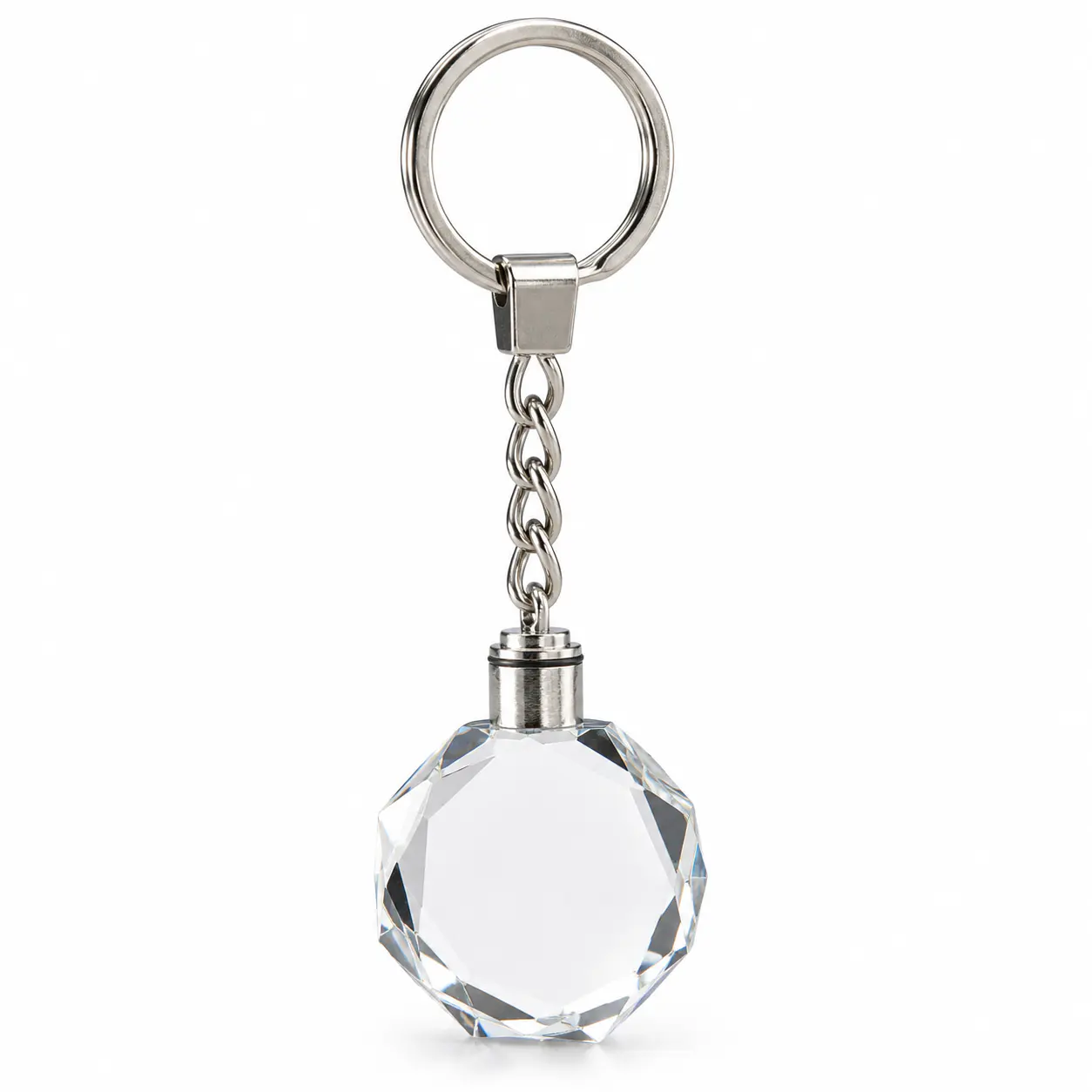 RGB Crystal Photo Keychain
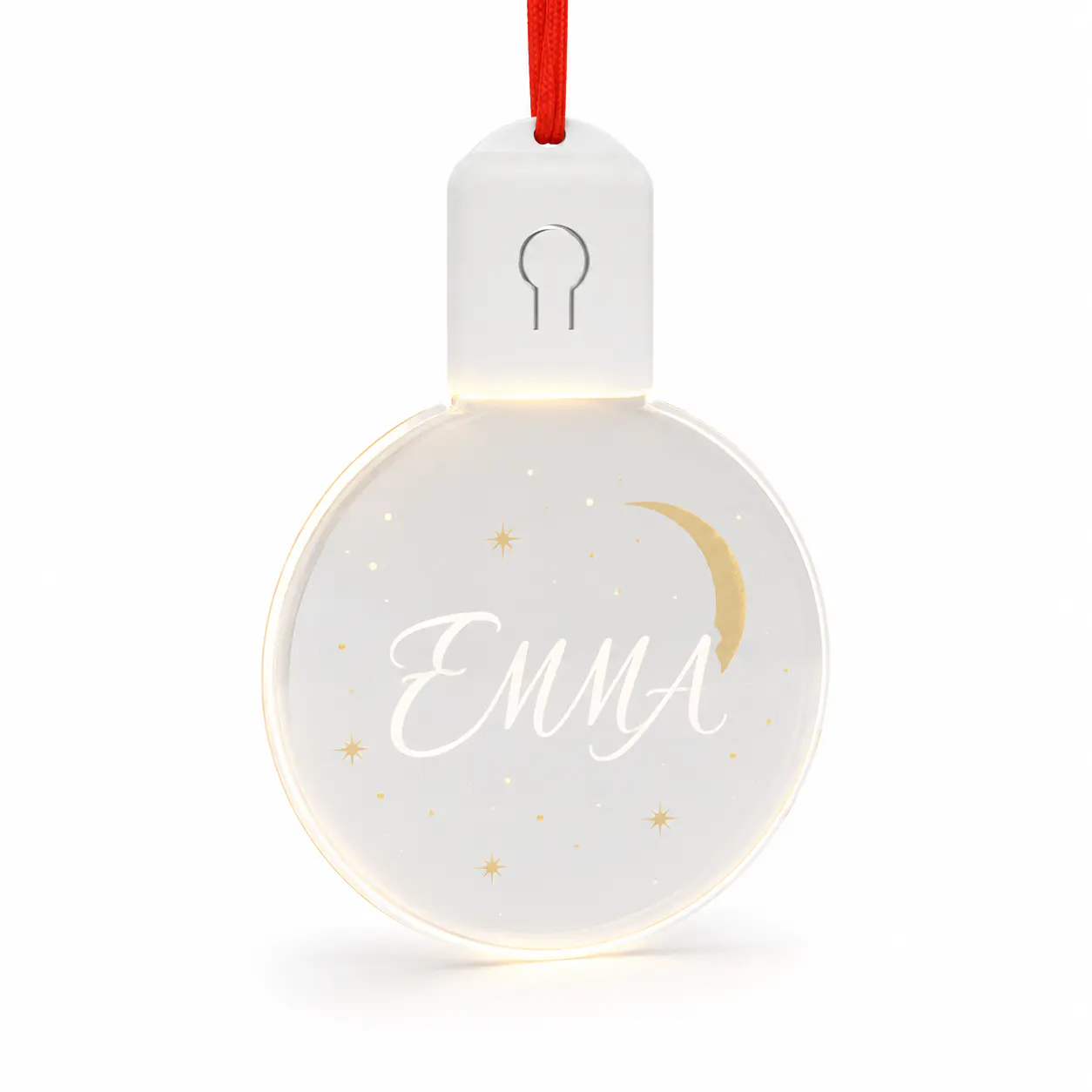 Dual-Power Acrylic Light-Up Keychain