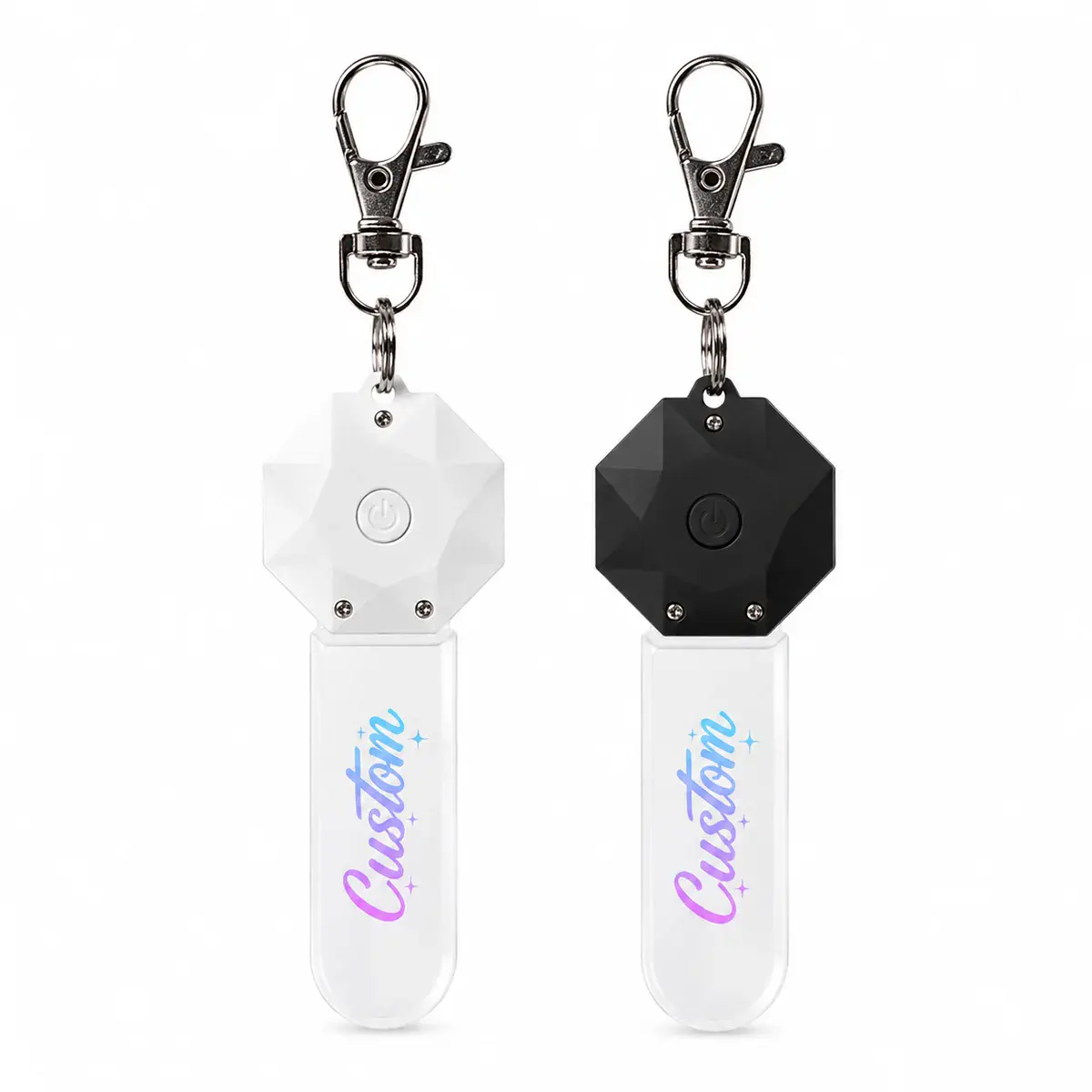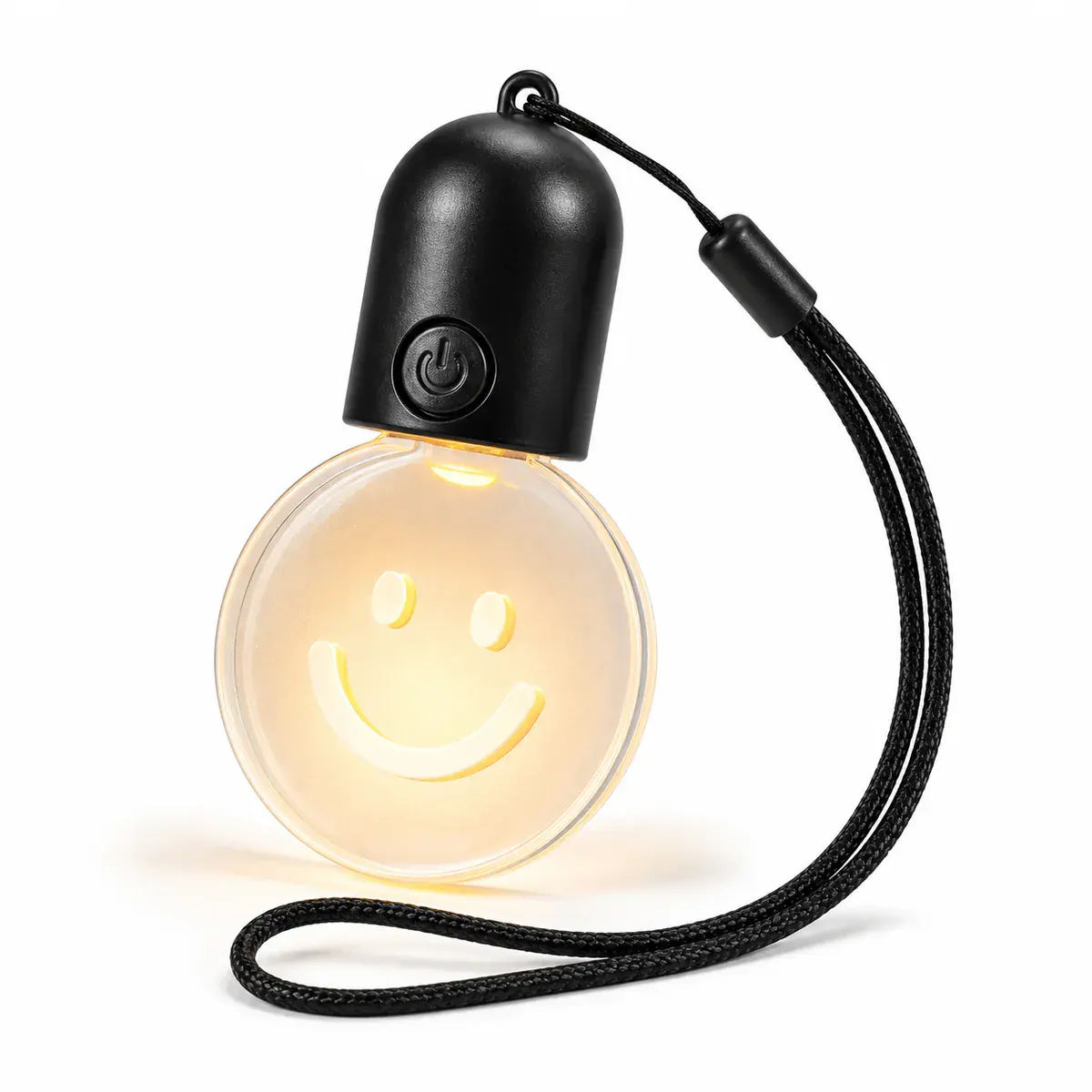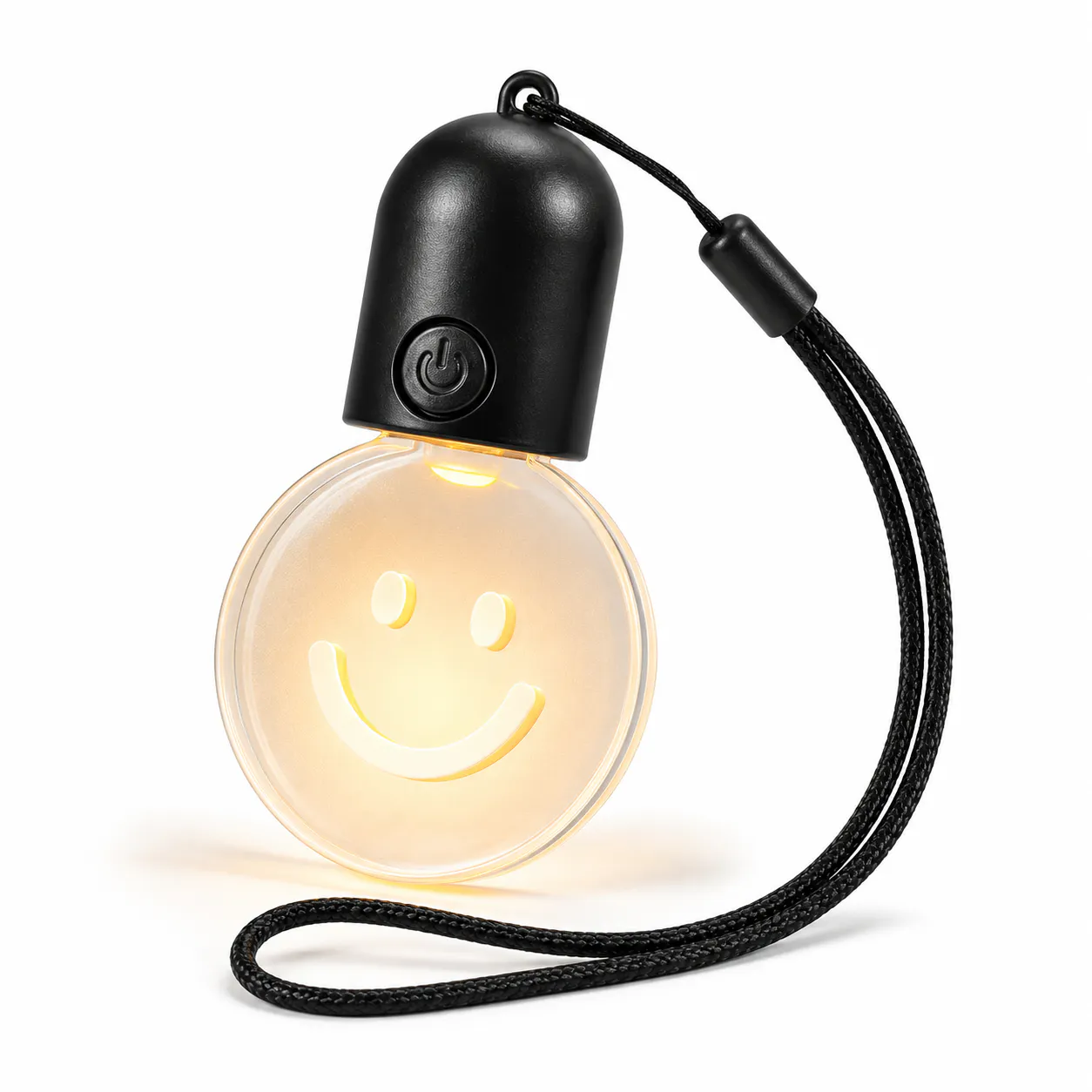
Compare battery and rechargeable LED keychains by runtime, charging, activation, repeated use, weight and event handling. Use the Light-Up Keychainscollection as a starting point, then verify the exact model and requested changes before quotation.
Decisions to make before requesting a quote
| Decision | What to define |
|---|---|
| Use cycle | State one-time campaign use, occasional consumer use or repeated staff use. |
| Activation | Compare slide, push, press-and-hold or another supported switch behavior. |
| Runtime | Test the approved LED load, mode sequence and battery rather than borrowing another model's figure. |
| Logistics | Confirm charging, battery labeling, transport and end-user instructions for the destination. |
Activation affects the real experience
A tiny switch that is acceptable for occasional use may slow an event hand-out. An exposed button can activate in a carton or pocket. Review how users discover the control, change modes and turn the unit off.
Plan power around operations
Rechargeable units need a charging window, cable plan and count-control process. Cell-powered units need clear activation and battery information. The product brief should describe who prepares the units and how long they are expected to operate.
Information to include in the brief
- Expected use duration and reuse cycles
- Required light mode and brightness direction
- Preferred activation method
- Charging or battery-preparation responsibility
- Destination and transport route
Keep the approved product, artwork, power arrangement, accessories and packaging in one version-controlled brief. If a requested change affects dimensions, tooling, electronics, materials or performance, treat it as an engineering review rather than assuming it belongs to the standard model for the led keychain power and switch guide review.