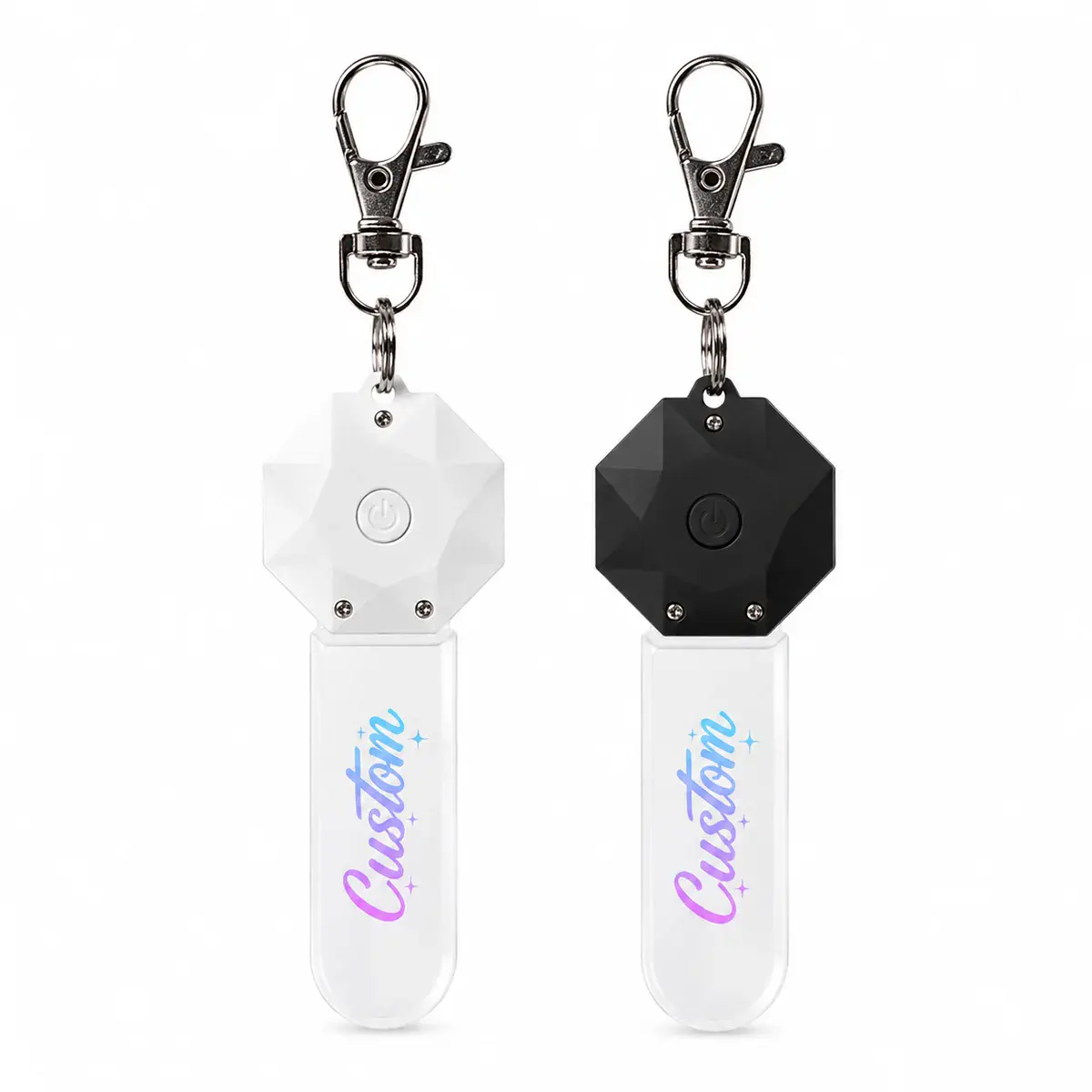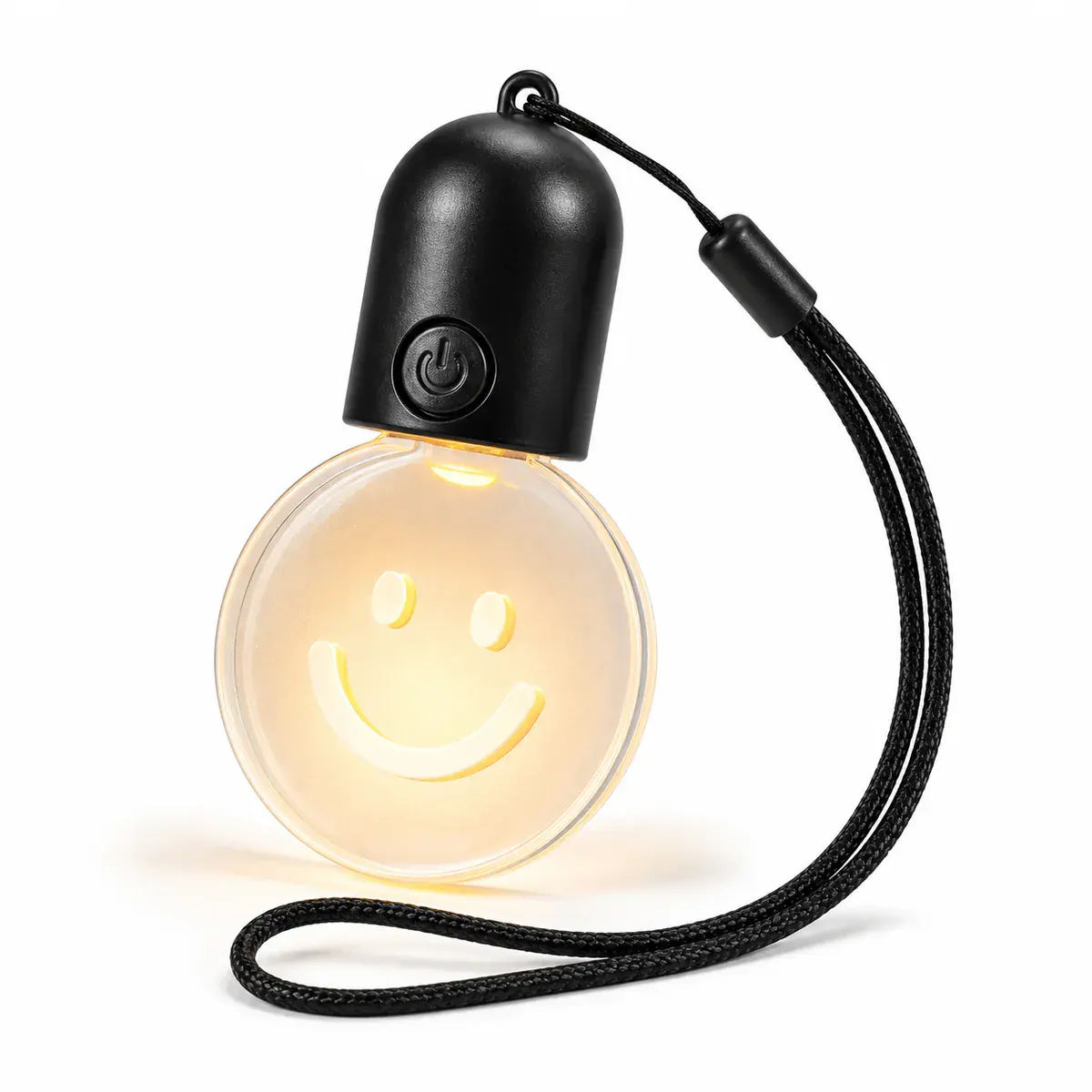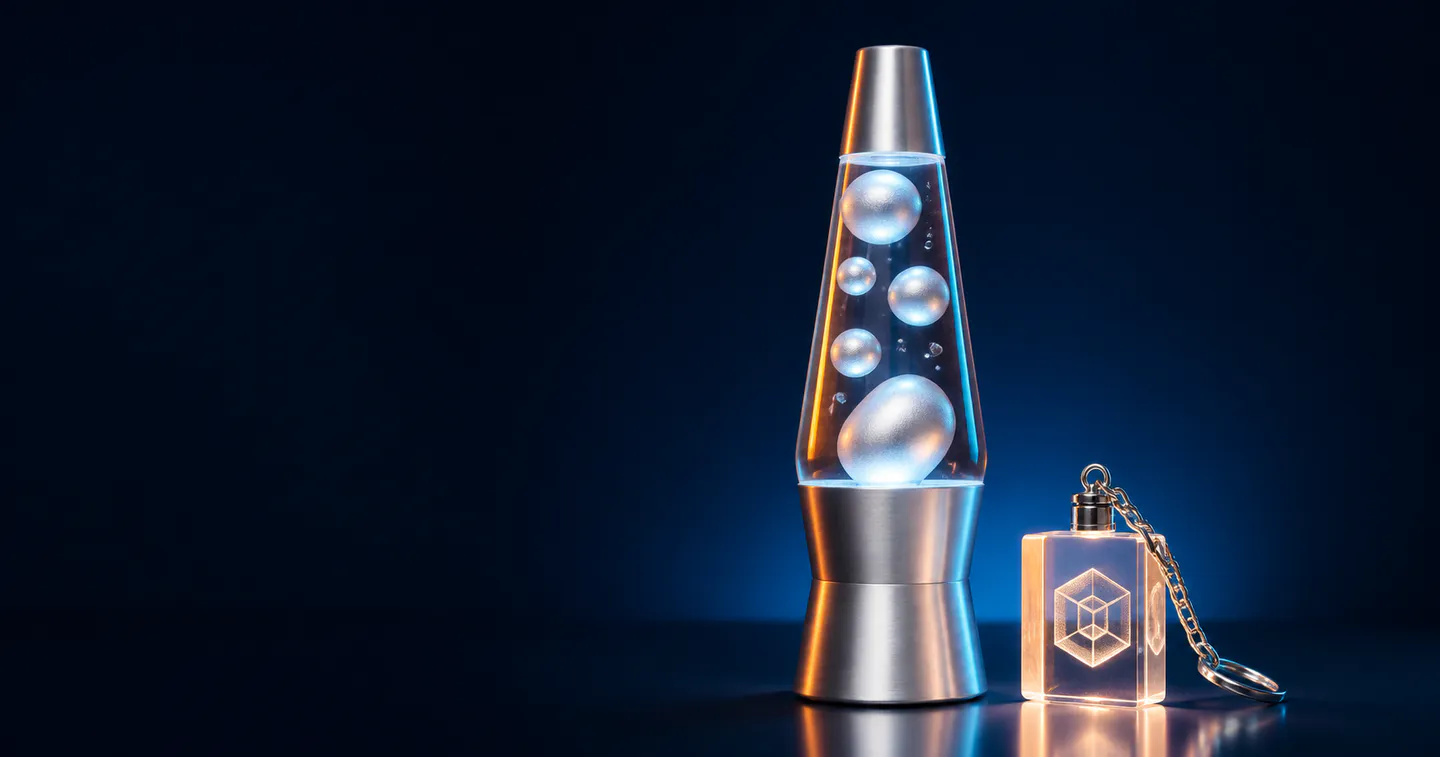
Compare wearable and tabletop event lights by visibility, guest interaction, power, handling, branding and venue operations. Use the Party & Event Lightscollection as a starting point, then confirm the exact model and requested changes before quotation.
Decisions to make before requesting a quote
| Decision | What to define |
|---|---|
| Movement | Wearables travel with guests; tabletop units stay with a defined place or service area. |
| Control | Guests may control wearables, while staff can manage fixed displays more consistently. |
| Brand area | Tabletop products may offer more viewing area; wearables require short, high-contrast artwork. |
| Recovery | Decide whether the product is a giveaway, reusable asset or venue fixture. |
Wearables create distributed visibility
They can support crowd identity and guest interaction, but attachment comfort, accidental activation and distribution speed matter. A strong result depends on guests actually wearing and operating the item.
Tabletop lights create controlled focal points
They suit table numbers, sponsor moments, bars, check-in or décor zones. Placement, stability, cleaning, power routing and staff responsibility become more important than body-worn comfort.
Information to include in the brief
- Event interaction goal
- Guest movement and distribution method
- Branding area and viewing distance
- Power, control and operating time
- Giveaway, collection or reuse plan
Keep the approved product, artwork, power arrangement, accessories and packaging in one version-controlled brief. If a requested change affects dimensions, tooling, electronics, materials or performance, treat it as an engineering review rather than assuming it belongs to the standard model within the wearable vs tabletop event lights workflow.