
Buyers evaluating light-up frames need a technical record that survives artwork approval, sampling, production and inspection. Dimensions, Fit and Tolerance Planning provides that record.
Connect the question to product construction
The relevant construction combines layered artwork, acrylic or paper panels, wood structures and integrated LED illumination. A supplier response is incomplete unless it explains how layer spacing, artwork registration, shadow definition, frame stability and even light distribution will be controlled.
The buyer and supplier should agree to identify critical interfaces, functional clearances, visible alignment points and dimensions that control packaging; a dimensioned drawing plus an approved mating or limit sample then becomes the release reference.
A preventable source of rework is detail loss after cutting, visible misalignment, uneven illumination or contact marks on the display face. Assign an evidence requirement and acceptance owner before production.
Four checks for the technical brief
- 01.Name the datum or reference surface. Relate the result to layer spacing, artwork registration, shadow definition, frame stability and even light distribution where it affects this product family within this light-up frames dimensions, fit and tolerance planning technical guide scenario.
- 02.Distinguish nominal dimensions from acceptance limits. Relate the result to layer spacing, artwork registration, shadow definition, frame stability and even light distribution where it affects this product family within the dimensions, fit and tolerance planning plan for light-up frames.
- 03.Approve mating parts together. Relate the result to layer spacing, artwork registration, shadow definition, frame stability and even light distribution where it affects this product family within the dimensions, fit and tolerance planning plan for light-up frames.
- 04.Measure packed dimensions separately from product dimensions. Relate the result to layer spacing, artwork registration, shadow definition, frame stability and even light distribution where it affects this product family within the dimensions, fit and tolerance planning plan for light-up frames.
Decision and evidence map
| Review area | Buyer input | Supplier return |
|---|---|---|
| Construction basis | layered artwork, acrylic or paper panels, wood structures and integrated LED illumination | Confirmed platform, proposed exceptions and affected components |
| Topic decision | identify critical interfaces, functional clearances, visible alignment points and dimensions that control packaging | a dimensioned drawing plus an approved mating or limit sample |
| Engineering controls | layer spacing, artwork registration, shadow definition, frame stability and even light distribution within the light-up frames review for dimensions, fit and tolerance planning | Drawing, sample, component record or test method as appropriate |
| Release evidence | Revision, owner and required approval date | a file preflight, lit appearance sample, alignment check and protective packing review |
Warning signs during review
- dimensions copied from an unrelated model
- one-sided tolerances without assembly context
- an insert and base sampled separately
- detail loss after cutting, visible misalignment, uneven illumination or contact marks on the display face
Evidence to retain
For dimensions, fit and tolerance planning, retain a dimensioned drawing plus an approved mating or limit sample together with a file preflight, lit appearance sample, alignment check and protective packing review. Label every drawing, image, sample and test document with the product, revision and approval status for the light-up frames review for dimensions, fit and tolerance planning. A photograph can support communication, but it should not replace dimensions, operating conditions, packing details or an exception register for the dimensions, fit and tolerance planning decision path for light-up frames.
Questions to include in the production partner discussion — dimensions, fit and tolerance planning decision path for light-up frames
- Which requirements can use an existing production-ready platform?
- Which request changes material, tooling, components, artwork processing or validation for the dimensions, fit and tolerance planning decision path for light-up frames?
- What evidence will be supplied before the buyer releases production within the dimensions, fit and tolerance planning plan for light-up frames?
- Which tolerances or appearance limits require a physical reference?
- How will variants, revisions and approved exceptions be identified?
- What changes MOQ, sample timing, production lead time or packing cost within the dimensions, fit and tolerance planning plan for light-up frames?
Relevant product references
3D Paper Cut Light Box, RGB Backlit Artwork Frame and Beech Wood Acrylic Light-Up Frame are useful starting references for this product family for the dimensions, fit and tolerance planning decision path for light-up frames. Their published product pages remain the source for confirmed model information for the light-up frames review for dimensions, fit and tolerance planning. This technical guide does not add an unlisted specification, certification, MOQ or delivery promise within this light-up frames dimensions, fit and tolerance planning technical guide scenario.
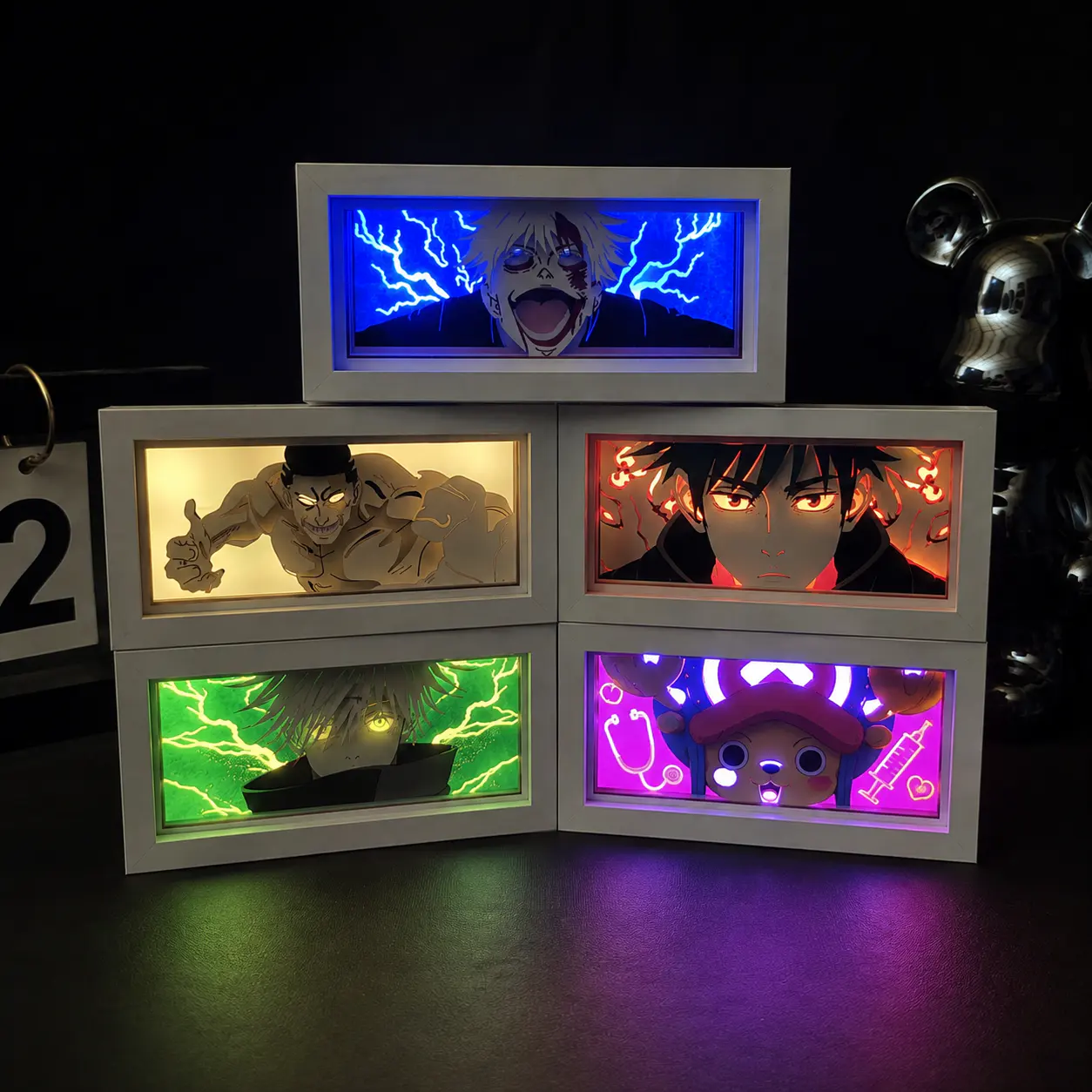 3D Paper Cut Light Box
 RGB Backlit Artwork Frame
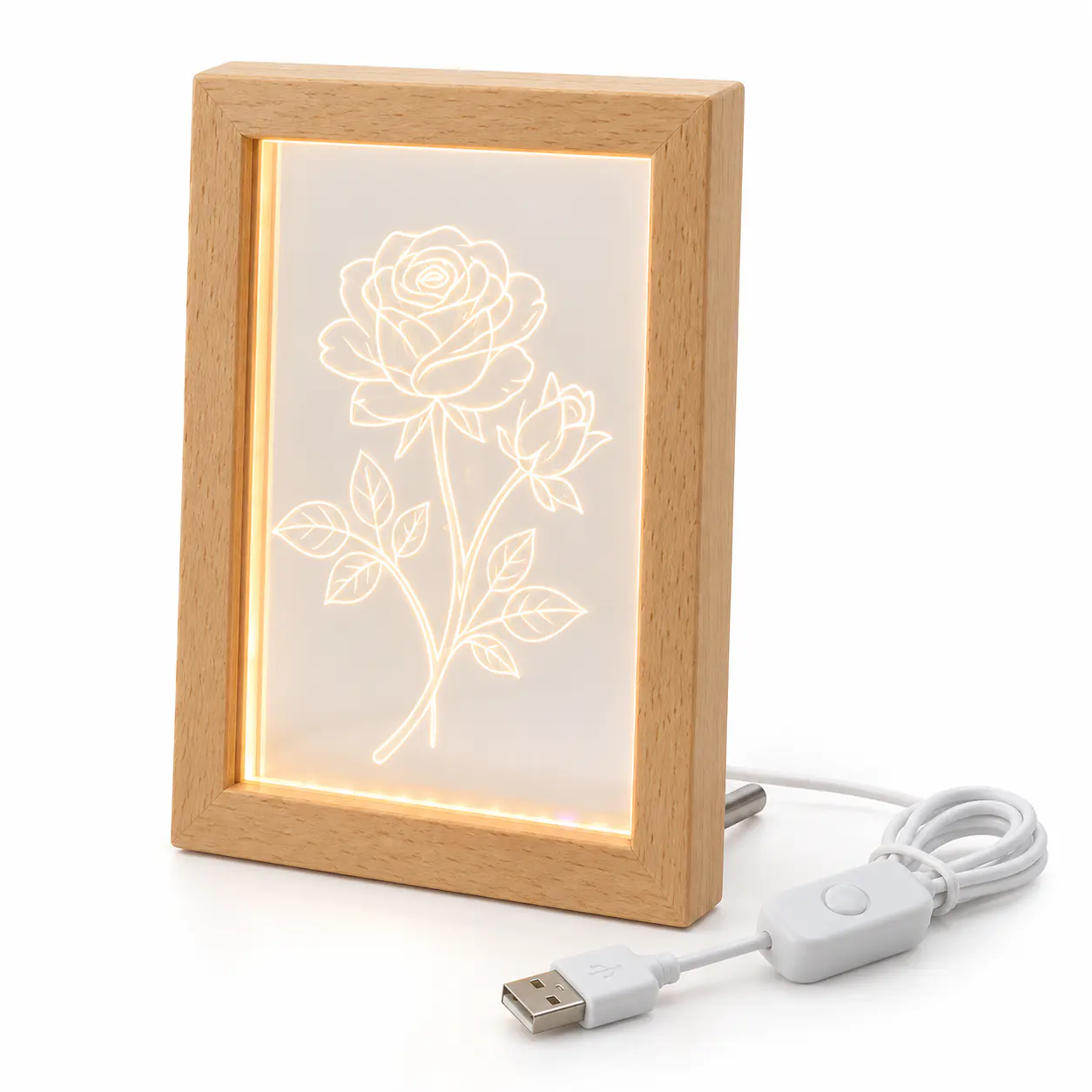 Beech Wood Acrylic Light-Up Frame