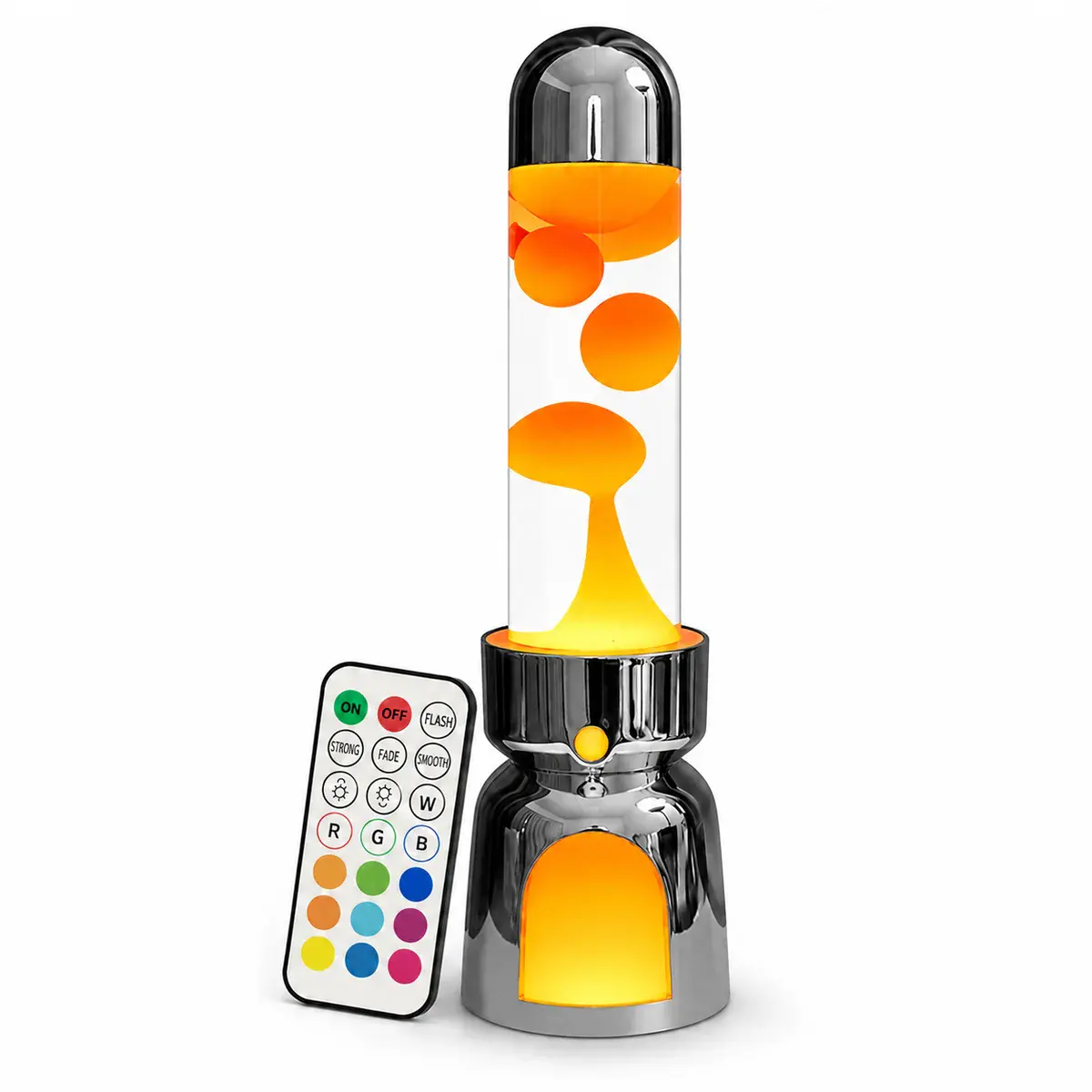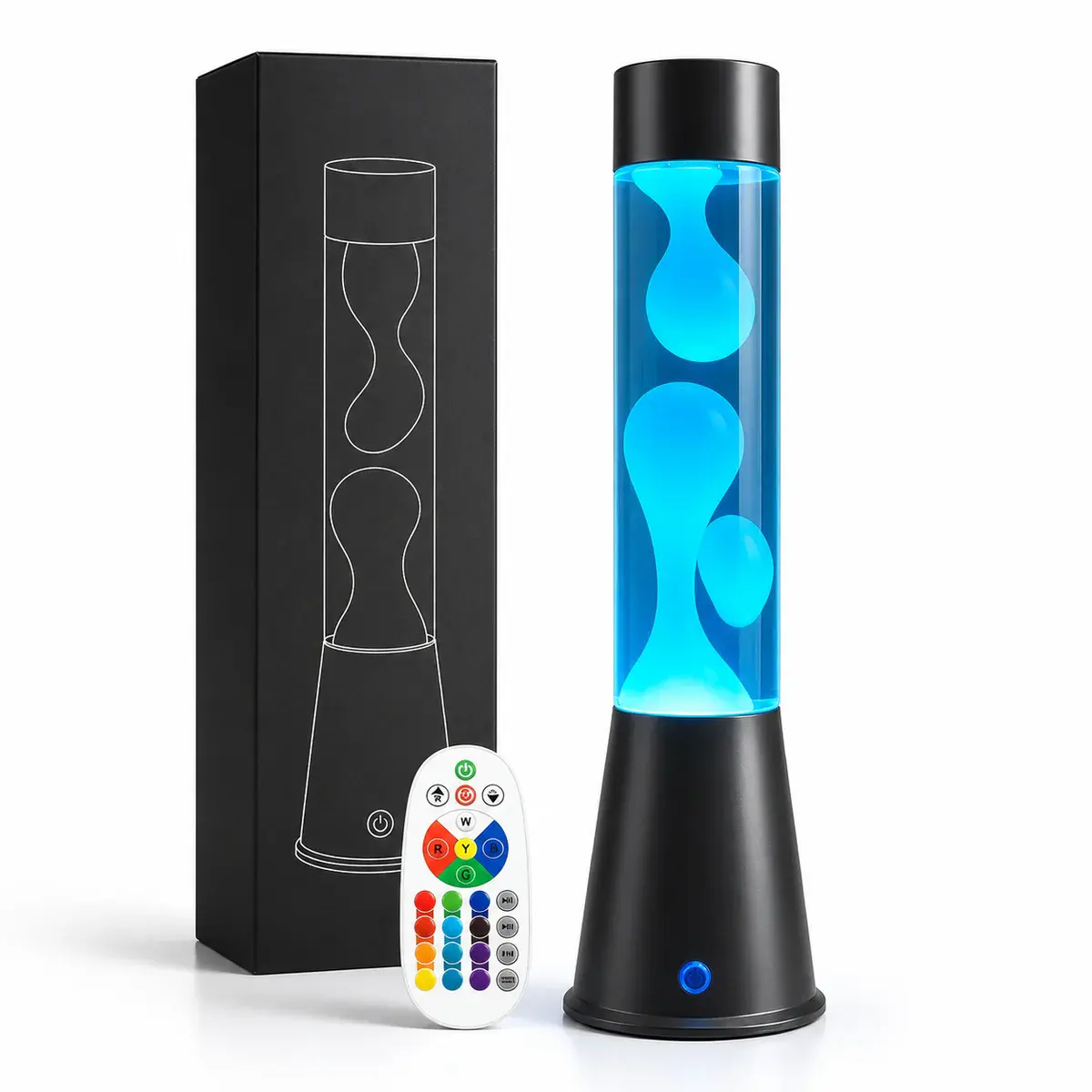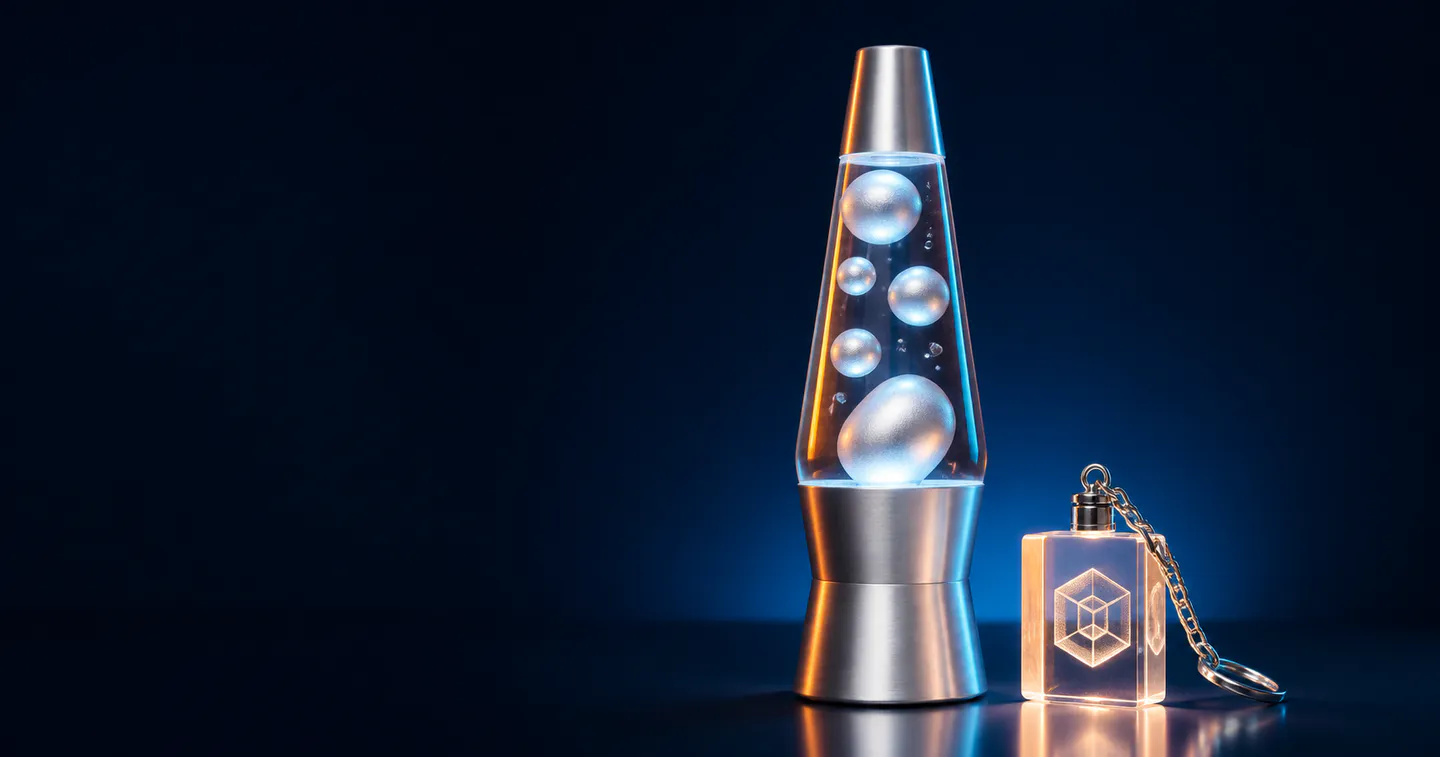
Compare warm-white and RGB ambient lights by mood, color consistency, control, retail message and end-user simplicity. Use the Decorative & Ambient Lightscollection as a starting point, then confirm the exact model and requested changes before quotation.
Decisions to make before requesting a quote
| Decision | What to define |
|---|---|
| Mood | Define calm warm glow, brand color, changing effect or user-selected scenes. |
| Control | State fixed color, preset cycle, remote, touch or another supported method. |
| Color expectation | Use approved references while recognizing that materials and viewing conditions affect appearance. |
| Retail message | Explain the actual modes simply and avoid promising unsupported color precision. |
Warm white reduces decisions
A single warm-white effect can suit gifting, bedside and hospitality uses where users value simple operation. Color temperature and diffusion still need sample review because the enclosure changes the perceived warmth.
RGB creates choice and complexity
RGB supports color selection and dynamic sequences, but mode order, default state, memory behavior and remote labels should be clear. Test the final control experience rather than approving only a colorful photograph.
Information to include in the brief
- Target mood and room
- Fixed or selectable color requirement
- Mode order and default behavior
- Control type and user instructions
- Approved sample under representative lighting
Keep the approved product, artwork, power arrangement, accessories and packaging in one version-controlled brief. If a requested change affects dimensions, tooling, electronics, materials or performance, treat it as an engineering review rather than assuming it belongs to the standard model within the warm white vs rgb ambient lights workflow.