
Education and campus program for Decorative Ambient Lights is easiest to manage when the buyer defines the decision before requesting a quote. In this case, that means a safe, easy-to-issue branded item for groups. This is a buyer-planning framework and does not promise an unlisted specification without engineering and commercial assess for the decorative ambient lights review for education and campus program.
Product and project facts to connect
The selected format relies on compact decorative structures, projection or filament effects and rechargeable or USB lighting modules. Buyers should ask how the sample and production checks will address effect consistency, stable mounting, heat management and practical power use within this decorative ambient lights education and campus program application scenario.
The project needs to explicitly test for an effect that looks different from the approved sample, unstable placement or unclear use instructions. If the check is absent from the approval capture, the risk has not actually been closed within the education and campus program plan for decorative ambient lights.
the campaign, merchandising or program owner needs to answer one question before requesting final pricing: How will the item be used, issued, powered and replaced in the target setting? Capture the conclusion in an application brief covering users, environment, duration and delivery within this decorative ambient lights education and campus program application scenario.
How to move the project forward — this decorative ambient lights education and campus program application scenario
- Use map:Set out the application, destination market, units by version and required delivery date.
- Format choice:Match the request to a production-ready, ODM / Private Label, OEM / Build-to-Print or Full ODM path and explain the fit within the education and campus program decision path for decorative ambient lights.
- Experience test:verify effect consistency, stable mounting, heat management and practical power use against the proposed artwork, power arrangement and packaging path.
- Pack-out:Obtain program-owner approval and grouped-pack sample and log every exception that remains open within the education and campus program plan for decorative ambient lights.
- Launch release:Release only when a representative sample works in the intended setting and packing flow; later changes become a new controlled revision within the education and campus program decision path for decorative ambient lights.
Evidence map for approval
| Workstream | Input to make explicit | Return or release condition |
|---|---|---|
| Map the use moment | a safe, easy-to-issue branded item for groups | A written input accepted by the campaign, merchandising or program owner |
| Test product interaction | effect consistency, stable mounting, heat management and practical power use within this decorative ambient lights education and campus program application scenario | Supplier response with assumptions and open points |
| Plan distribution and support | program-owner approval and grouped-pack sample within this decorative ambient lights education and campus program application scenario | Named proof, sample or record with a revision |
| Protect the required arrival date | confirm age context, instructions and distribution labels | a representative sample works in the intended setting and packing flow within the education and campus program plan for decorative ambient lights |
Evidence has two layers here: program-owner approval and grouped-pack sample for the chosen route, and dark-room appearance review, operating sample, stability check and user-instruction approval for product execution. Missing either layer leaves an avoidable assumption.
Keep visual approval separate from functional and packing approval; a good appearance does not prove fit, runtime, protection or variant accuracy within the education and campus program plan for decorative ambient lights.
Start from confirmed product records
Compact Rechargeable Sunset Lamp, Custom RGB Acrylic Neon Sign and Illuminated Moving Sand Art Frame provide concrete starting points for the discussion. Their product pages remain the authority for model facts; this planning page only organizes the surrounding decision within the education and campus program plan for decorative ambient lights.
For this decorative ambient lights route, keep compact decorative structures, projection or filament effects and rechargeable or USB lighting modules inside the same decision record as program-owner approval and grouped-pack sample. That connection makes effect consistency, stable mounting, heat management and practical power use visible before order release within the education and campus program plan for decorative ambient lights.
Commercial assumptions to expose — education and campus program plan for decorative ambient lights
MOQ and lead time should be returned with their assumptions. Ask what changes when artwork count, components, packing method or approval timing changes within the education and campus program plan for decorative ambient lights.
Ask the quotation to identify the chosen development route, the included proof or sample stage, the quantity basis, variant allocation, packaging basis, destination, hand-off point and every known exception for the decorative ambient lights review for education and campus program. This makes a later reorder easier to reproduce.
Inquiry brief for Education and campus program
- Reference product link or target construction
- Use environment and intended user
- Quantity by artwork, color or version
- Destination and required arrival date
- Editable artwork plus brand rules
- Power, controls and packaging expectations
- Questions to close before sample approval
 Illuminated Moving Sand Art Frame
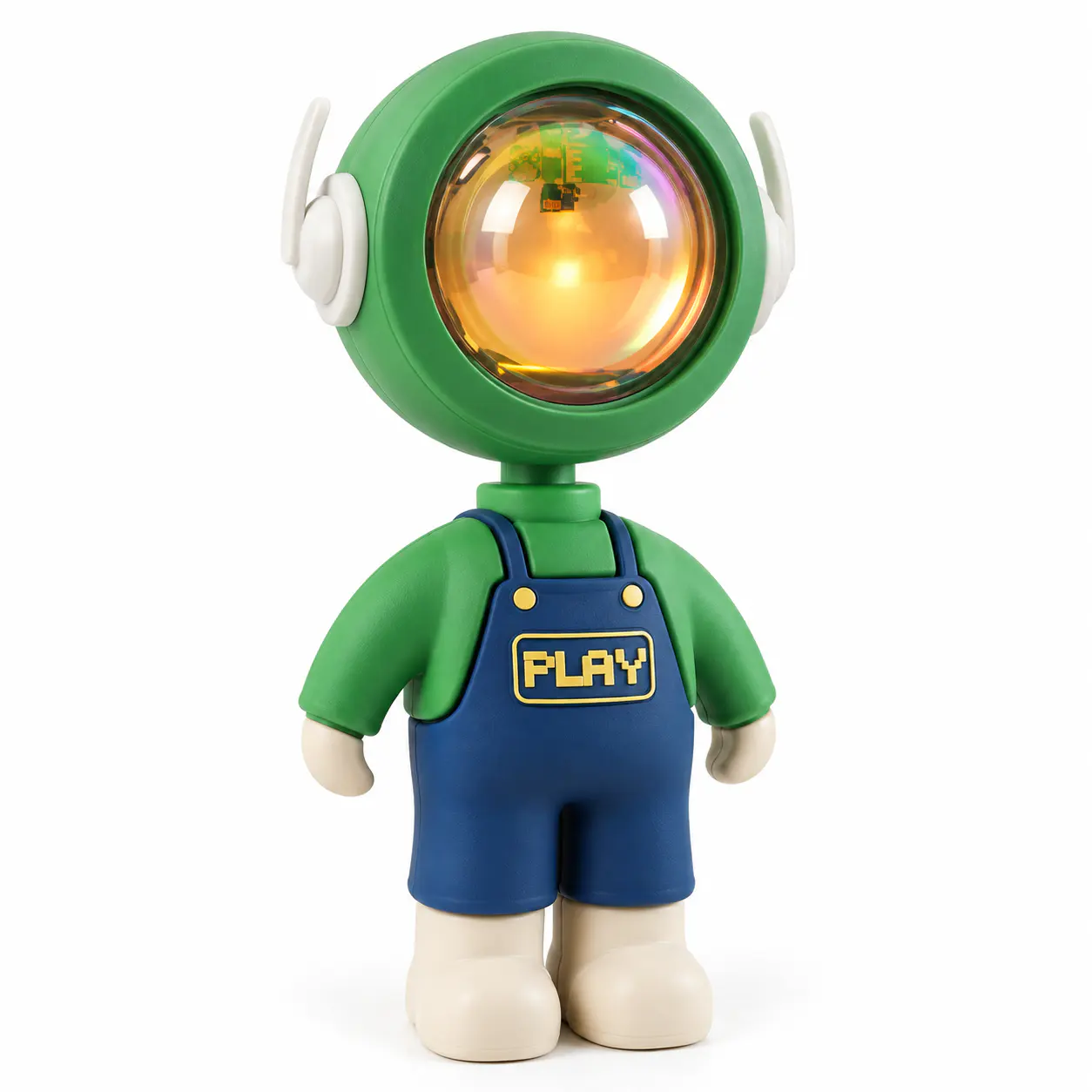 Compact Rechargeable Sunset Lamp
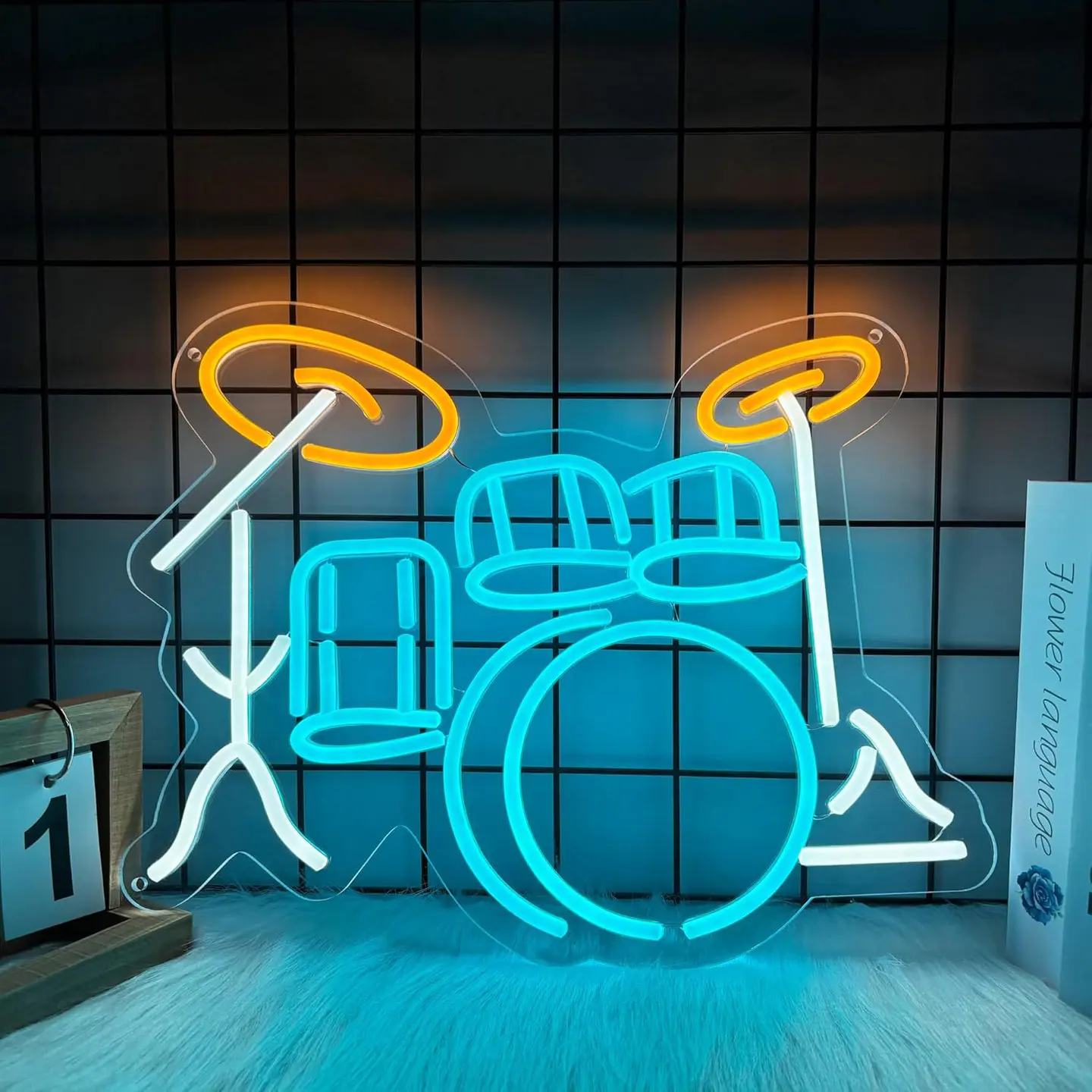 Custom RGB Acrylic Neon Sign